
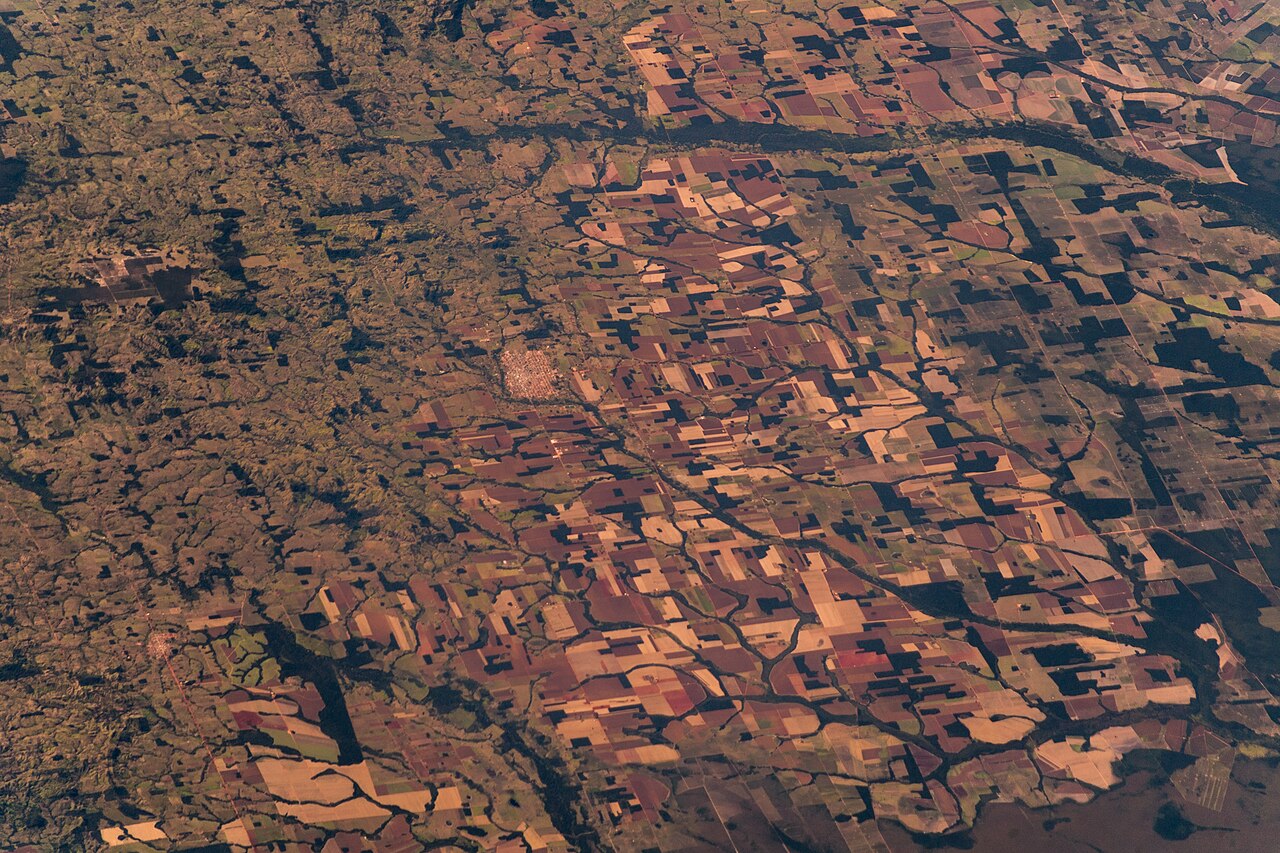
The Brazilian presidency of the COP30 climate talks released its long-awaited roadmap on ending deforestation on 3 November, less than a week before COP31 is due to begin, according to a Carbon Brief explainer. The document is voluntary, sits outside the UN negotiations and makes no new commitments.
President Luiz Inácio Lula da Silva first proposed the roadmap at the leaders’ summit in Belém. By the end of COP30, 93 countries had signed on, including the EU’s member states, but that fell short of the 196 parties needed for consensus. COP30 president André Corrêa do Lago then said the presidency would pursue it outside the COP process.
It follows earlier pledges to end forest loss by 2030: the New York Declaration on Forests in 2014, the Glasgow declaration signed by more than 140 countries at COP26, and the global stocktake agreed at COP28. Its stated aim is to turn those outcomes into coordinated, country-led action.
The secretariat, the Climate Policy Initiative, received more than 200 contributions, but only 18 came from countries and four from negotiating blocs.
The roadmap covers national action, international action and finance. For countries, it sets out 18 policies or approaches, including protected areas, recognising Indigenous territorial rights, managing pests and plant diseases and restricting permits for activities that convert forest, along with a five-step process. On trade, it says measures that reward compliance generally work better than those adding burdens on exporters, and proposes favouring sustainable, deforestation-free production.
The roadmap estimates that countries need $300bn a year by 2030 to halt and reverse deforestation. Current finance reaches less than a third of that, and nearly 90% of it comes from domestic public budgets.
At the launch in Brasilia, Corrêa do Lago pointed to Brazil’s own deforestation rate, down more than 70% since 2022 to its lowest on record, and said he hoped the roadmap would be a “living document”.
Photo: Alexander Gerst / Wikimedia Commons (CC BY-SA 2.0)
Source: Carbon Brief

Comments
(0)