
Heatwaves, droughts, erratic rain and flash floods are changing the ecology of infectious disease in India, affecting how long pathogens survive, where disease-carrying insects live, and how closely people, animals and germs come into contact, Mongabay-India reports. A 2025 study by IPE Global and Esri India warned that heatwaves could double in major cities by 2030 and extreme rainfall events rise by 43% nationally.
"Floodwater overwhelms sewage systems and mixes human and animal waste into water sources, while warmer temperatures help pathogens survive longer," said Surya Prasad, a consultant physician at Manipal Hospital, Bengaluru. A 21-year study from Kolkata found cholera peaking with summer heat and the onset of the monsoon; hepatitis E outbreaks in Delhi and Mumbai have been linked to sewage entering water supplies after heavy rain; and a Chennai study found a 60% higher risk of hospitalisation for gastrointestinal illness in the 15 days after extreme rainfall. Prasad said hepatitis A, hepatitis E and cholera, once seen mostly before the monsoon, have over the past decade appeared more often and all year round.
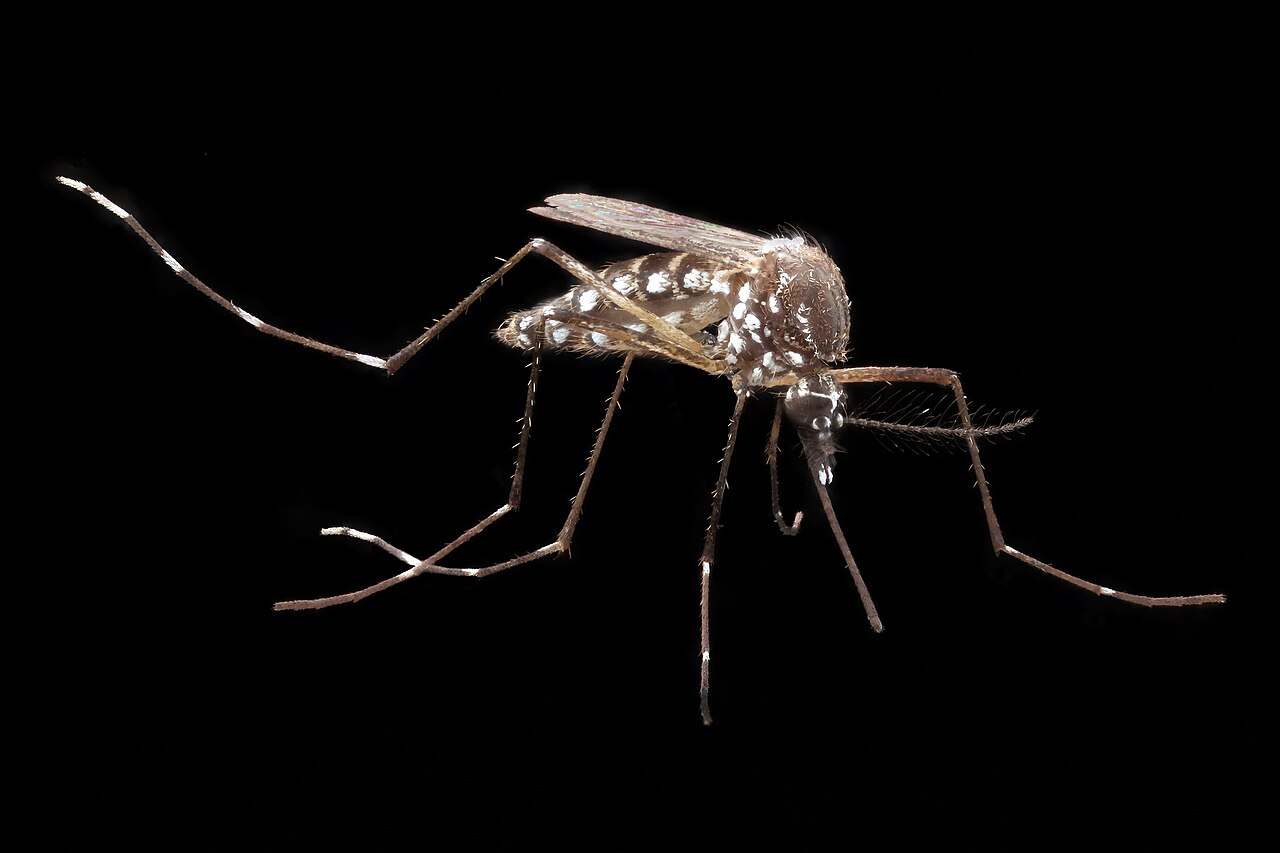
Floods also move disease between animals and people. More than 85% of leptospirosis cases occur during and just after the monsoon, as flooding drives rats, the main host, out of sewers and into homes. After Kerala's 2018 flood, surveillance data recorded 1,318 leptospirosis cases and 53 deaths. Gautam Menon of Ashoka University said warmer conditions let mosquitoes survive and breed longer, widening the window for dengue, malaria and Zika; malaria-carrying Anopheles mosquitoes now persist at elevations in the Himalayan foothills once too cold for them, and Pune saw Zika surges after heavy rain in 2024.
Drought brings its own risks: as water sources shrink, people, livestock and wildlife gather at the same few points, communities turn to unsafe water shared with animals, and water stored for long periods becomes a mosquito breeding site.
Weak infrastructure magnifies all of this. Stormwater drains were long designed for rainfall expected once every one to two years, or 25 mm an hour where data were missing, far below the 100 mm in 24 hours that hit Bengaluru, Delhi and Mumbai in May. A 2022 audit found many cities lack updated drainage maps, and about 60% of Assam's 4,800 km of embankments are estimated to need repair. Sitara S.R. Ajjampur of Christian Medical College, Vellore, said no part of India is safe from contaminated groundwater after damage to pipes and latrines. Experts call for surveillance, investment and climate-adaptive planning to anticipate outbreaks rather than react to them.
The report was written by Priyanka Shankar for Mongabay-India.
Photo: Army Medicine / Wikimedia Commons (CC BY 2.0)
Source: Mongabay India

Comments
(0)