
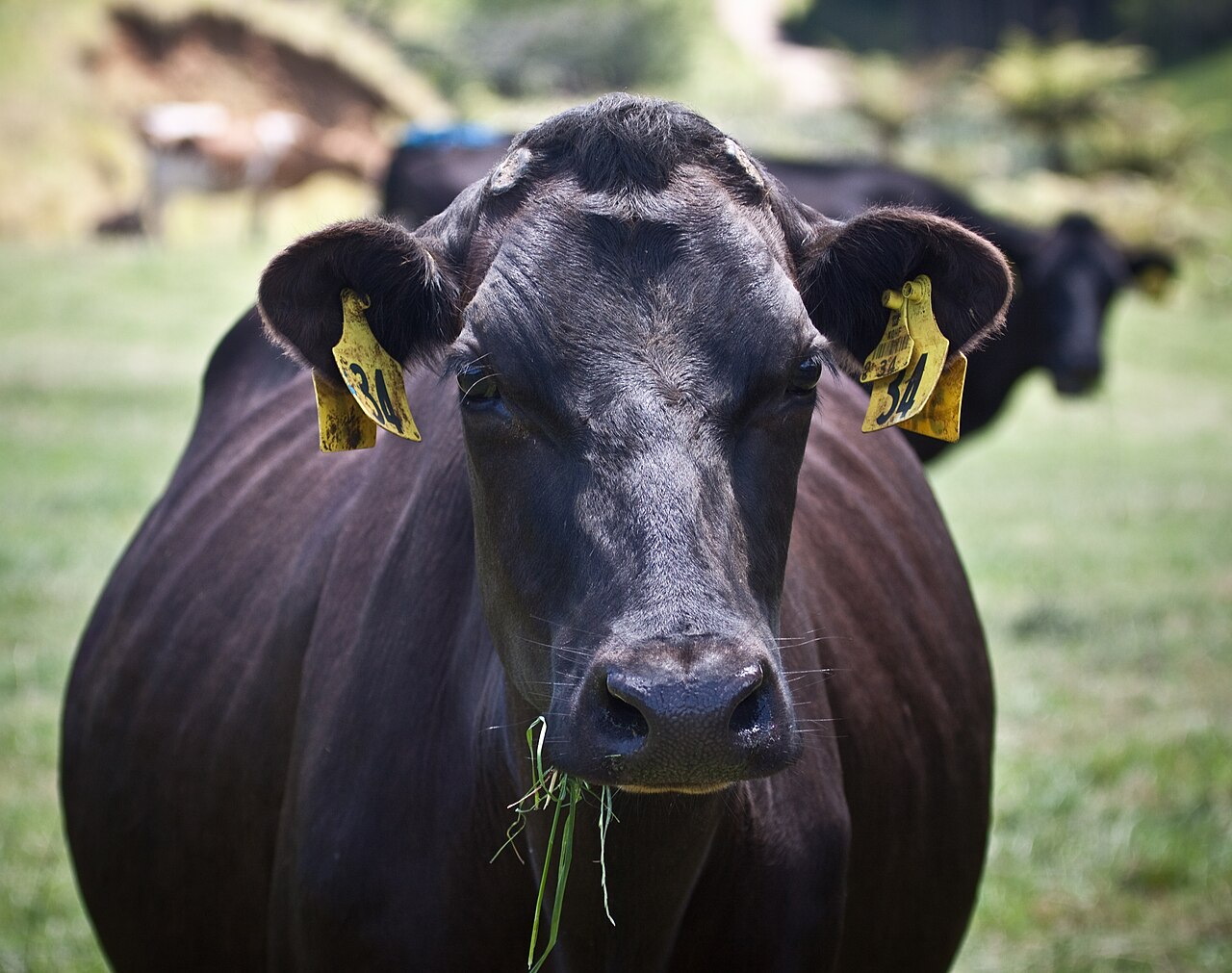
Treating every cow in a New Zealand dairy herd with antibiotics at dry-off, regardless of whether she is infected, could become much harder to justify from 1 January 2027, when updated Veterinary Council guidance puts more weight on justifying antimicrobial dry cow therapy (DCT) for each individual cow.
Selective DCT is not new, said Matt Buckley, veterinary technical adviser at MSD Animal Health; what changes is the weight behind it. "The difference now is that vets have much stronger backing to say, 'show me the evidence that this cow needs antibiotic dry cow therapy.'"
New Zealand research suggests most herds do not need blanket treatment. DairyNZ's analysis found it benefits only herds whose bulk milk somatic cell count is above 250,000 cells per millilitre and rises by more than 50,000 cells/mL in the last three months of the season, criteria fewer than 5% of herds are likely to meet. For the rest, DairyNZ advises antibiotics only for qualifying cows, with an internal teat sealant for all cows to prevent new infections in the dry period.
The aim is not to deny treatment to cows that need it, but to avoid antibiotics where there is no evidence they are needed, part of the wider fight against antimicrobial resistance. "We want antibiotics to work when we genuinely need them," Buckley said; it is about "the right treatment, for the right cow, at the right time". DairyNZ says New Zealand farmers already rank among the lowest users of antibiotics internationally.
The practical challenge is in the shed: selective DCT needs farmers and vets to decide cow by cow, using clinical mastitis records and individual somatic cell count data, and Buckley said that decision has to be made practical for farmers, with new technologies emerging to support it. The report is by Rural News Group's staff.
Photo: Dave Young (dairy cow, New Zealand) / Wikimedia Commons (CC BY 2.0)
Source: Rural News Group

Comments
(0)