
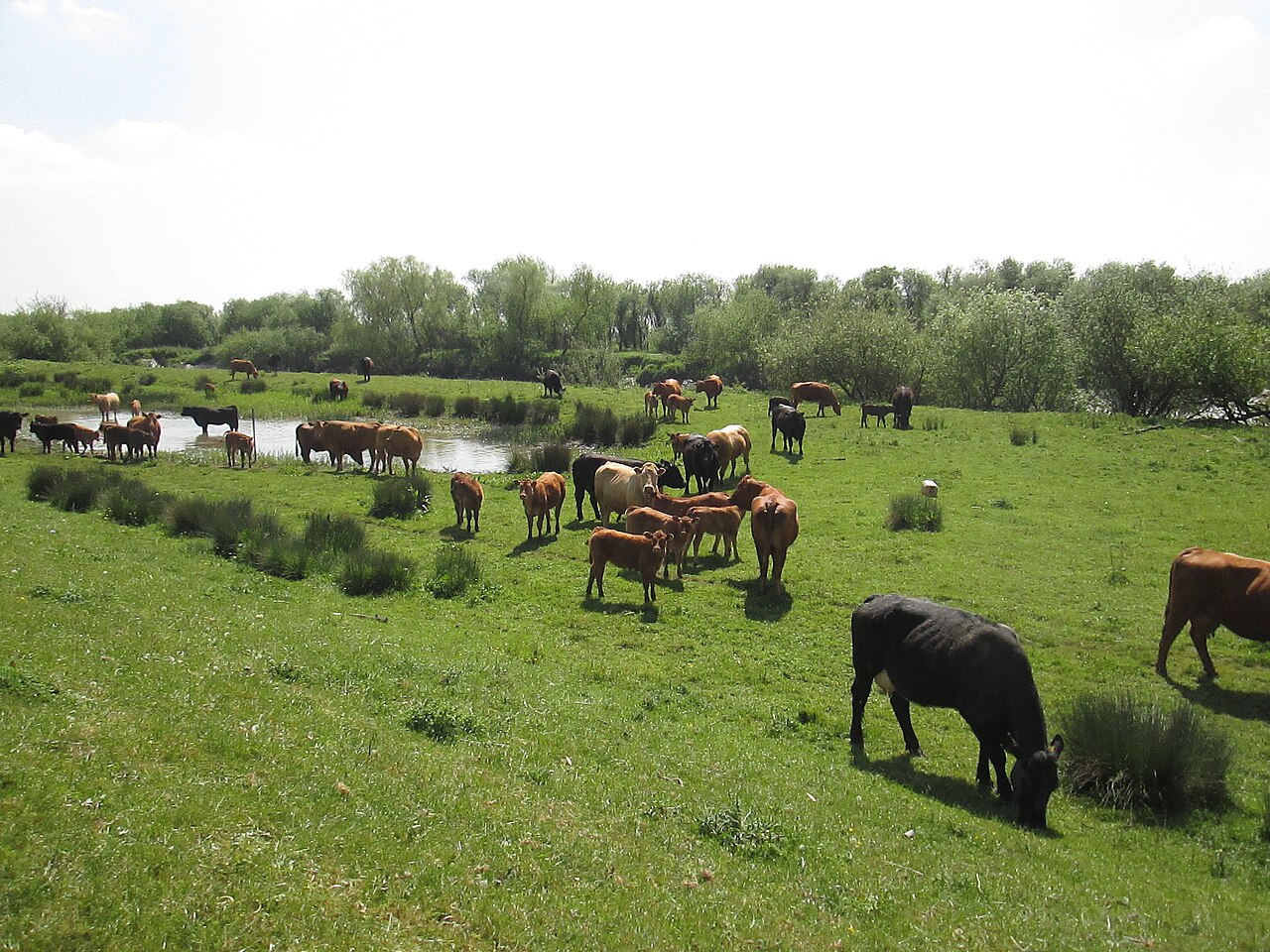
Tight supplies should keep UK cattle prices above the five-year average for the rest of 2026 and into 2027, though weak consumer demand and a changing mix of imports may limit any further rise, according to the Agriculture and Horticulture Development Board's (AHDB) Beef Market Outlook, reports Farmers Weekly.
AHDB estimates beef production at 904,000 tonnes in 2026, up 1% on 2025 as heavier carcasses offset fewer cattle. It expects output to fall to 896,000 tonnes next year, with prime cattle slaughter down 0.9% to 1.98 million head.
Higher retail prices are already cutting what shoppers buy, "particularly in more premium cuts, which weighs on price growth at the farmgate", the report says, and it expects consumer confidence to stay muted in 2027 as food inflation and energy costs squeeze household incomes.
Trade is likely to matter more. In the first seven months of 2026, beef imports rose 2.4% in volume to 178,000 tonnes and more than 10% in value to £1.29bn, and AHDB expects them to end the year 3% up, encouraged by the widening gap between British and Irish beef prices. It flags Brazil, which has lost access to the EU for the rest of 2026, and Australia and New Zealand, whose access to the UK is growing under free trade agreements.
Bluetongue, which has been spreading in parts of the country since July, is another unknown. AHDB modelling suggests it could cut calf numbers by 14,000, or 3.1%, in 2027 through lost fertility in infected herds; the effect on prime cattle slaughter would show mainly in 2029, and depends on how far the disease spreads and on vaccination uptake.
Photo: Martin Dawes / Wikimedia Commons (CC BY-SA 2.0)
Source: Farmers Weekly
Comments
(0)