
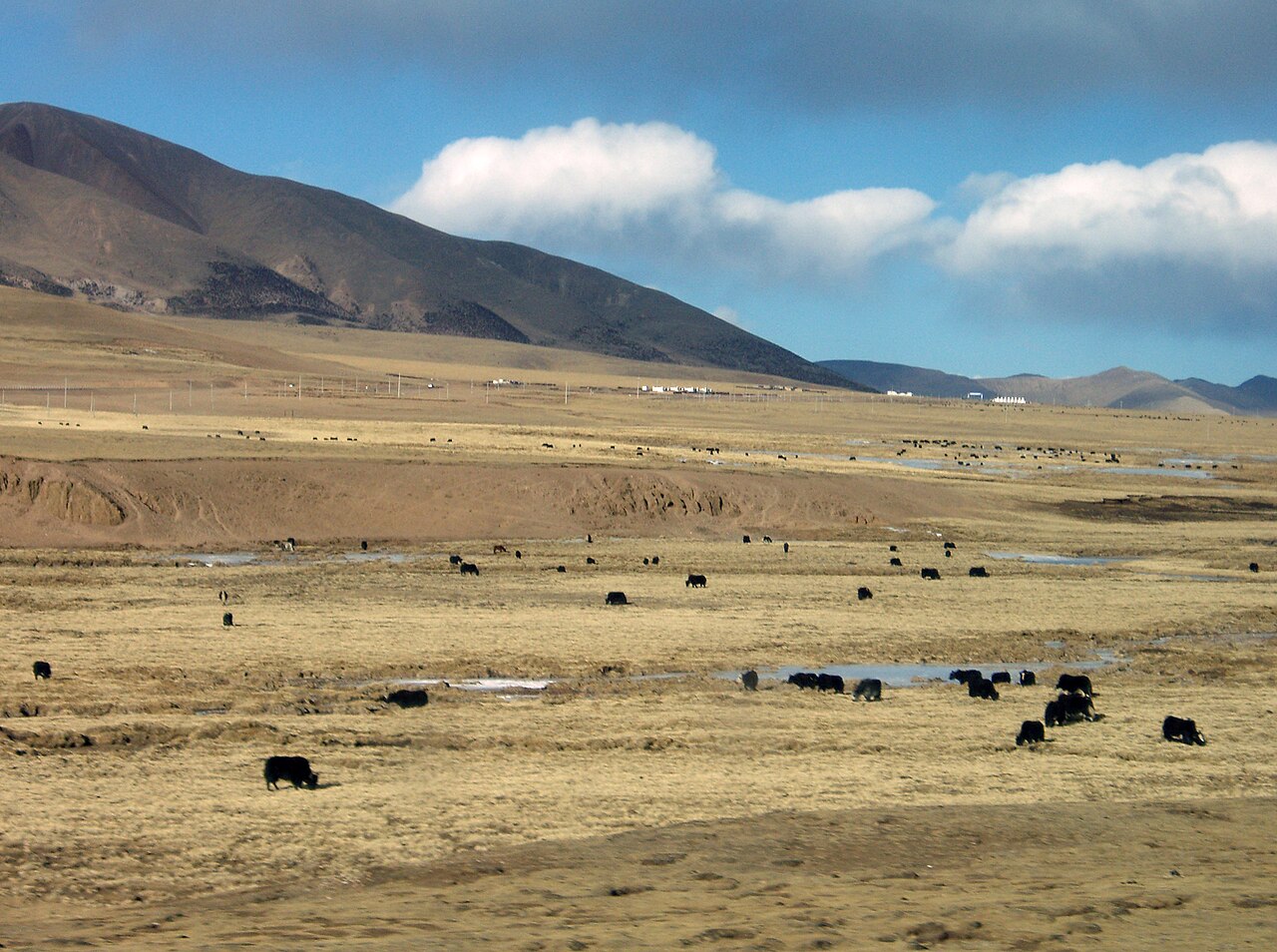
Yak herders from Bhutan, India and Nepal will launch the first regional network of Himalayan yak-herding communities on 23 October 2026 at Bhutan's ninth Royal Highland Festival, reports Shagun for Down To Earth.
The Himalayan Yak Herders' Network brings together three national bodies, the Yak Federation of India, the Bhutan Yak Federation and the Yak and Chauri Farmers Federation Nepal. It will be led by herders, with Bhutan hosting its secretariat, and will work on collective advocacy, knowledge exchange, capacity building and cross-border cooperation, according to the International Centre for Integrated Mountain Development (ICIMOD).
The herders face shrinking and degraded pastures, loss of yak genetic diversity, attacks on livestock by wild animals, limited access to markets and services, climate change and the migration of young people out of the highlands. ICIMOD says yak numbers across the three countries have fallen significantly in recent decades, partly because of changing land use and rangeland degradation.
Rangelands cover more than 60% of the Hindu Kush Himalaya and support an estimated 25 to 30 million Indigenous and culturally diverse people, the organisers say.
In India, the 20th Livestock Census, published in 2019, counted about 58,000 yaks. In 2026 the Yak Federation of India reported that 526 households in the federation kept about 32,000 yaks between them.
The idea of a regional network first came up in 2016, when herders, researchers and government officials from the three countries met through ICIMOD's Kangchenjunga Landscape Conservation and Development Initiative, and the launch follows nearly a decade of collaboration.
Photo: Fanghong / Wikimedia Commons (CC BY-SA 3.0)
Source: Down To Earth

Comments
(0)