
Crops
Vermicompost Now Made Commercially in Narail
A Gopalpur villager has started the first commercial production of vermicompost in Narail Sadar upazila, and local vegetable growers are using it instead of chemical fertiliser.
A Gopalpur villager has started the first commercial production of vermicompost in Narail Sadar upazila, and local vegetable growers are using it instead of chemical fertiliser.
Pabna farmers are replacing chemicals with organic fertiliser and trap-based pest control, cutting costs, and 53,040 farmers have been trained in the methods.
 Organic
Rice straw, weeds, dung and kitchen waste that are burnt or thrown away can become compost in four to six months; here are the pit and heap methods that agricultural authorities describe.
 Vegetables
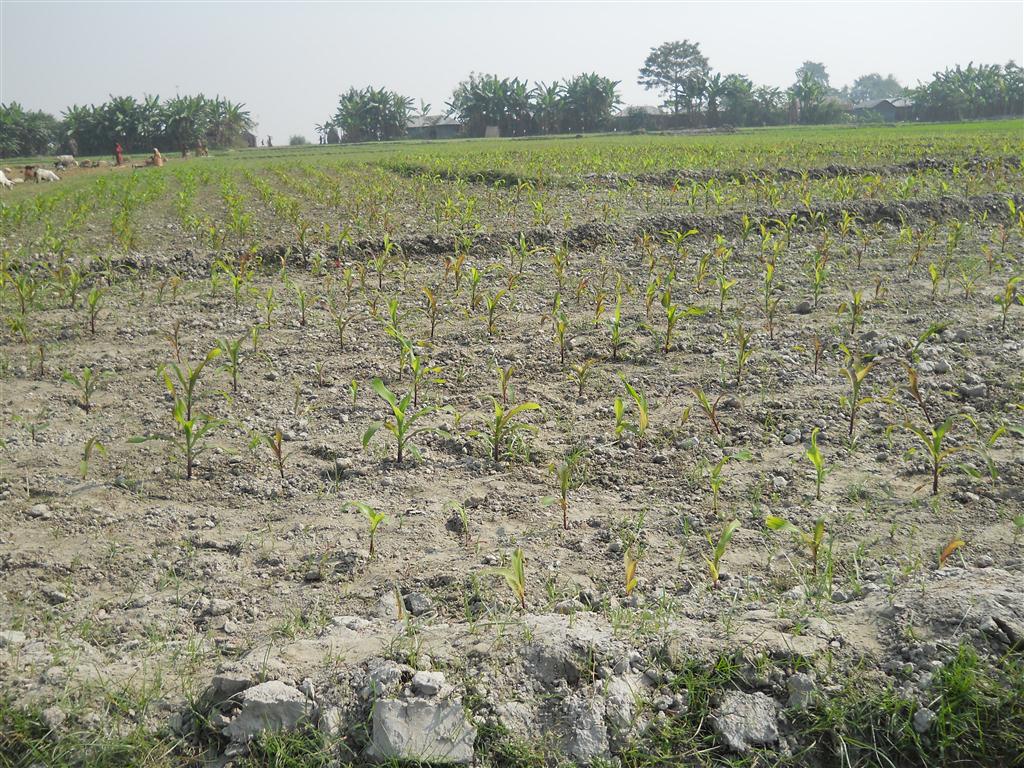
In Kamarpara village of Bogura's Shajahanpur and parts of several northern districts, farmers were growing vegetables without chemical fertiliser or pesticide, using vermicompost and neem-based herbal extracts, a December 2024 report found.
 Crops
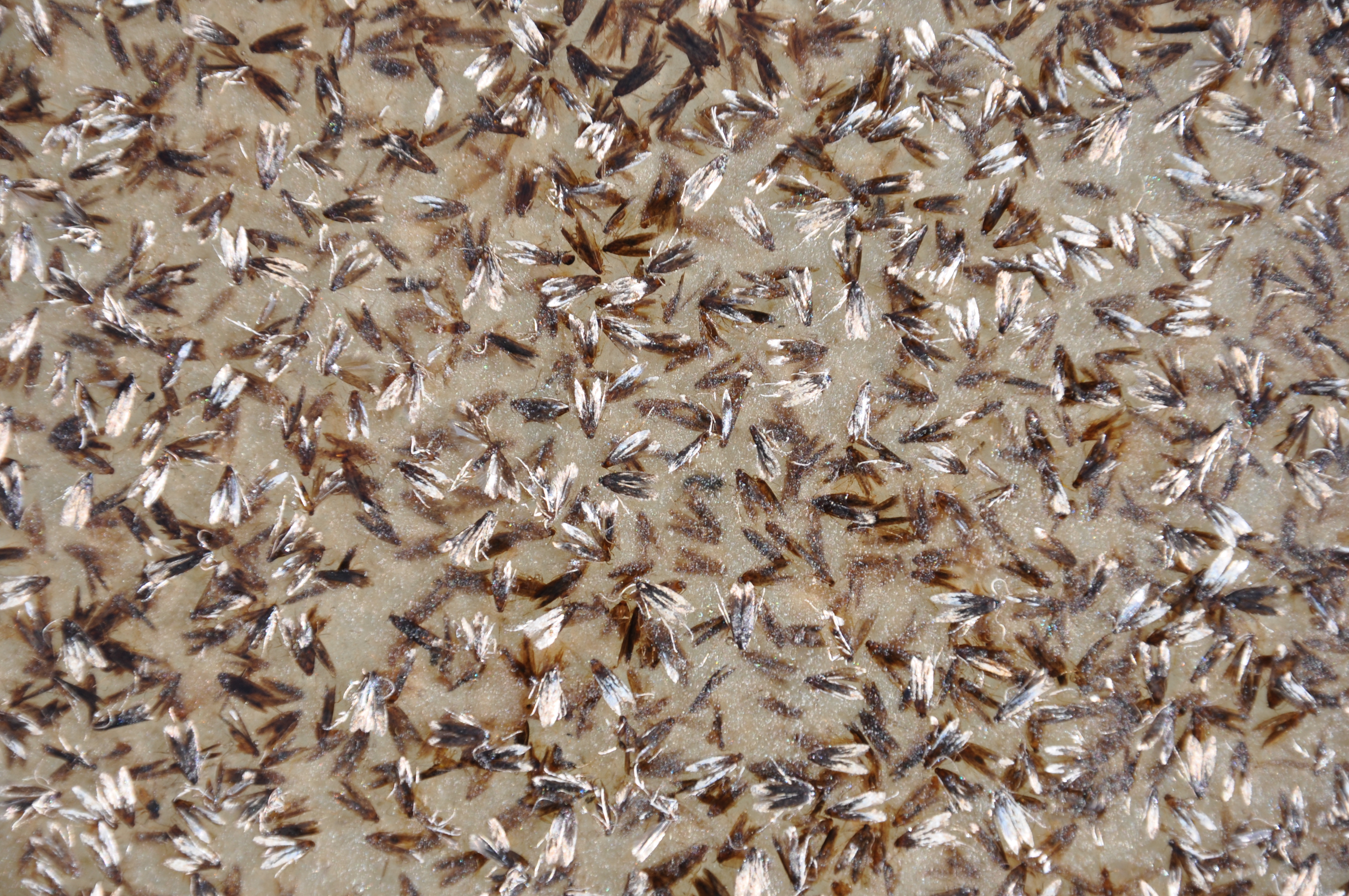
In November 2024 farmers in several villages of Ujangram union, Kushtia Sadar, were growing about 15 kinds of vegetables on some 100 acres without chemical pesticides, using integrated pest management. They said bio-pesticides and sex pheromone traps had cut their costs.
Rajshahi University student Md Faraduzzaman Fahim, who started a malta orchard in Domar during the pandemic, expects to sell Tk 10 lakh worth of fruit this season.
Sher-e-Bangla Agricultural University's horticulture department will distribute 20,000 free vegetable seedlings to 500 marginal farmers hit by flash floods in Cumilla and Feni.
Farmers in Mirsarai, Chattogram, are succeeding with summer watermelon grown under mulch and organic methods, and the area under the crop is growing.
The BADC foundation seed potato farm in Domar, Nilphamari, has grown dhaincha on 200 acres as green manure, a practice that has almost disappeared from farmers' fields.
Three brothers in Kaliganj, Gazipur, have made a success of pesticide-free bottle gourd grown on trellises, and neighbouring farmers are now following them.
Asabul Haque of Chuadanga went from a tea stall to a vermicompost business with capital of over Tk 1 crore, but still lacks a licence to package his product.
Farmer Abul Hasim in Pakundia, Kishoreganj, has earned a lakh taka from coloured cauliflower grown with organic fertiliser only.
Young farmer Md Rezaul of Dapdapia in Nalchhity, Jhalakathi, has become self-reliant by producing vermicompost.
The Bengali month of Ashwin is the time to prepare soil and seedbeds and sow winter vegetables, in fields and rooftop gardens alike.
Rearing black soldier flies on urban organic waste could supply cheap protein for fish and poultry feed while easing waste management, speakers told a seminar at Sher-e-Bangla Agricultural University.
A 56-year-old in Pakundia, Kishoreganj, has had a strong first crop from an organic orchard of late mango varieties planted on unused land in front of his house.
A Tk 47.39 crore SRDI project to improve hill soil management has drawn questions over Tk 60 lakh for foreign training and Tk 90 lakh for a jeep.
An elderly woman in Lucknow, India, died after being attacked by a pet dog she had cared for, with a post-mortem finding 12 deep wounds.
Cheap, effective and eco-friendly, earthworm-made vermicompost is catching on among farmers in Basail upazila of Tangail.
A 31-year-old from Patiya in Chattogram who left school after class eight now produces three tonnes of vermicompost a month and runs a seed and fertiliser shop.
A returnee from Singapore in Dohar, Dhaka, who lost his savings in business, rebuilt his life by producing earthworm compost for local farmers.
A group of educated young entrepreneurs in Arani, Bagha, Rajshahi, is taking farm information and organic fertiliser to villagers' doors to restore soil health.
In Niamatpur union, Kaliganj, Jhenaidah, very poor farmers and women are producing vermicompost commercially at home, improving both incomes and soil health.
UK-based Russell IPM, where a young Bangladeshi scientist leads research, supplies pheromone-based pest control to 145 countries as an alternative to pesticides.