
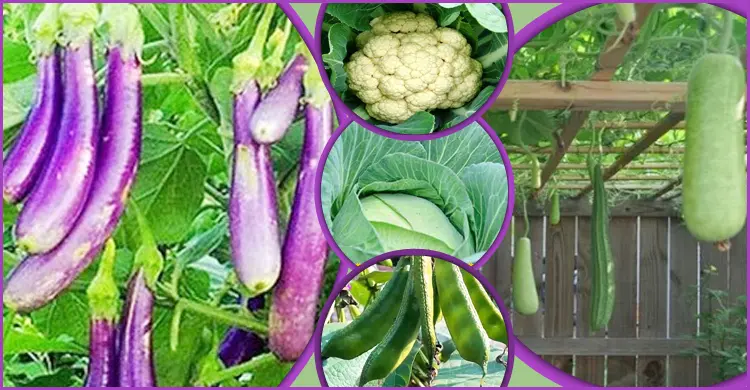
The month of Ashwin is beginning, and vegetables can be grown at this time. One of the first and most important jobs is to prepare suitable soil for each vegetable. Mix two parts organic fertiliser (cow dung, compost or vermicompost), one part coco dust and one part fertile loam to make soil for seedlings. The soil should be fine, loose and level, with good drainage. Along with enough organic fertiliser, you can apply chemical fertiliser in moderate doses.
Raising seedlings
Choose a high spot that gets light and air for raising vegetable seedlings. You can make a seedbed one metre wide and as long as the land allows, or raise seedlings from seed in packets, small pots or seedling trays. Sow improved seeds of Rabi or winter vegetables such as cabbage, cauliflower, bottle gourd, beans, tomato, kohlrabi, turnip, broccoli, lettuce, early Brussels sprouts and aubergine. In rooftop gardens, prepare the soil well in drums, pots or beds and sow red amaranth, spinach and Malabar spinach directly.
Pots, drums or beds 75 cm wide and 60 cm deep are good for bottle gourd and beans. For these, mix soil with an equal volume of dry, rotted cow dung at least a year old, plus 100-150 g of TSP and 50-70 g of MoP fertiliser. After 7-10 days turn the soil and sow 4-5 healthy seeds in each bed, drum or pot. Apply 100-150 g of urea and 50-70 g of MoP twice, 15-20 days after germination. Those who do not want to use any chemical fertiliser can use organic fertiliser alone.
Plant healthy 30-35-day-old seedlings from the nursery in pits, beds, drums or pots. Planting too densely creates competition for light, air, water and nutrients, so space every seedling at an equal distance. Build trellises for climbing vegetables such as bottle gourd, beans and yardlong beans as they grow. The more vegetative growth a climber makes, the less it flowers and fruits, so cut back 15-20 per cent of the vines and leaves to bring on flowers and fruit sooner. Hand pollination is essential for full pollination and higher yields in bottle gourd; doing it every morning once flowering starts will raise the yield a great deal.
Potatoes, mustard, leafy greens and spices
Many people like to grow potatoes on the roof. You can grow them in the soil left after harvesting the previous month's crop, without special preparation. You can also grow the improved variety BARI Sarisha-14, scattering the seed towards the end of the month. Leafy greens such as radish greens, red amaranth, spinach and stem amaranth grow easily in almost any soil. After scattering the seed, cover the bed or pot with a net or mosquito net, as birds may eat the seeds and sprouts.
After harvesting the previous month's vegetables or crops, you can save seed. The price of spice crops such as garlic and onion keeps rising in the market, yet they are essential in daily cooking. Now is the time to plant garlic and onion in rooftop gardens so you can meet your needs from your own produce all year.
Disease, drainage and weeds
Remember to treat the soil before planting to protect seedlings from viral, bacterial or fungal diseases. If damping-off appears after germination, reduce the water in the seedbed by draining it quickly or scattering dry sand or ash. Applying Dithane M-45 or copper oxychloride at the same time can stop the disease spreading.
Those who use green manure in beds or drums should mix it well into the soil and plant seedlings 7-10 days later. Vegetables cannot tolerate waterlogging for more than 2-3 days, so drain water from around the plants regularly after heavy rain.
At the end of the month the temperature falls and the air grows drier. Weed around the plants, apply fertiliser and earth up the base. Knowing proper weed management can raise yields considerably; weeds can be removed by organic means, and herbicides must be used at the correct dose. Water plants and apply pesticides early in the morning or in the evening, out of direct sun.
Citing Greeniculture.
Source: Jagonews24. First published in Bengali on The Agro News.


Comments
(0)