
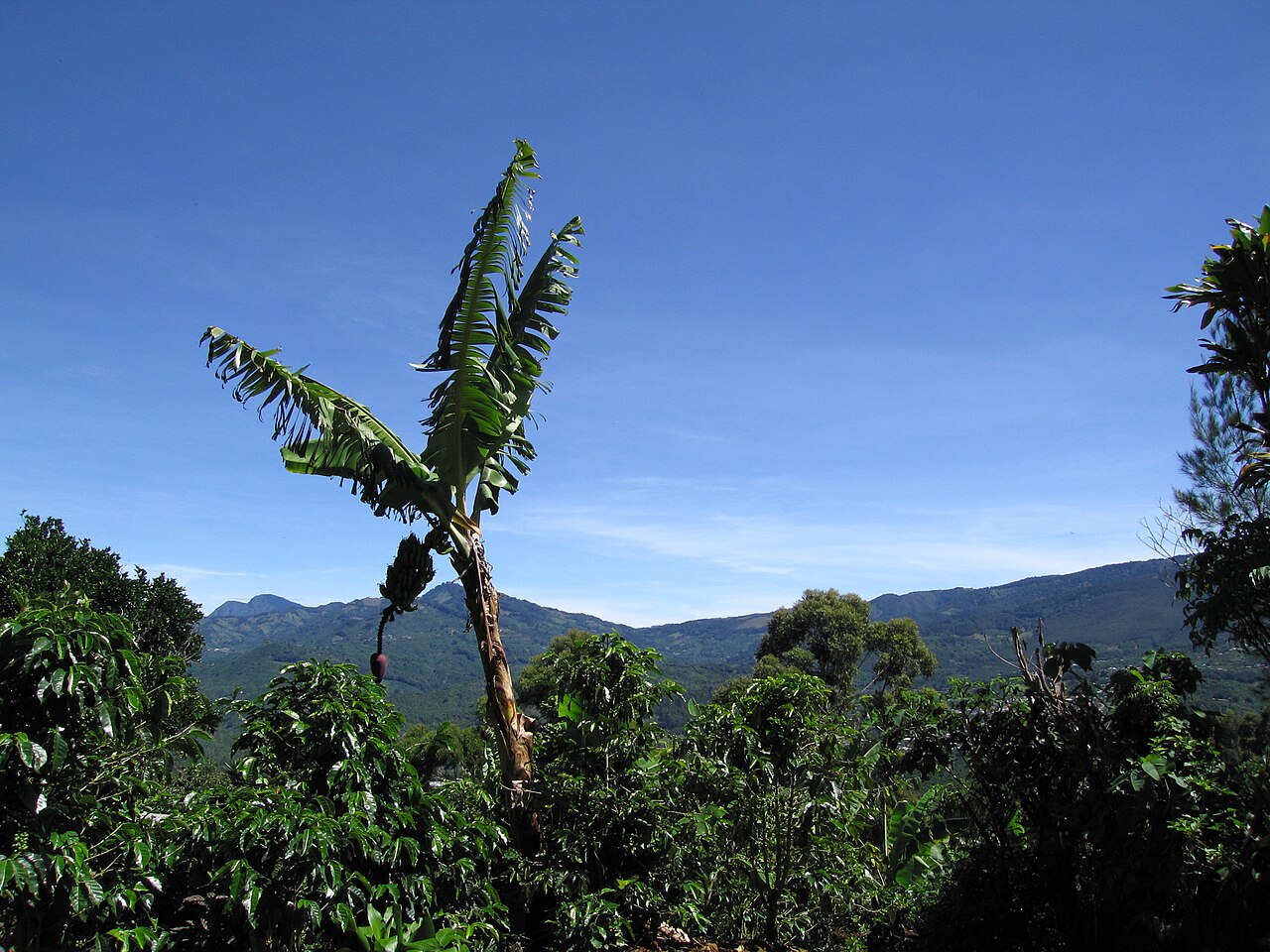
When coffee prices crashed about 15 years ago, Costa Rican farmer Minor Abarca added cows to his coffee plantation. Today his herd of 20 to 30 cows gives 300 kilograms of fresh milk a day, which he turns into cheese every afternoon at Lechería Abarca and sells himself.
The farm has shrunk over the decades. Economic pressure forced the family to sell land, and an estate that once covered 100 hectares is now 20 hectares shared among siblings. Abarca built his business on his own portion of that land.
Fresh cheese is made daily in a quick one-day process, and Abarca delivers it from his van straight to local chefs and customers at 3,500 colones a block, about R120. He sells direct to capture the most margin.
Costa Rica's warm, humid climate and steady rain let many crops share one patch of ground. In his backyard canopy alone, soursop (guanábana) grows beside rambutan, coconut palms, oranges, lemons, maize and chillies. Maize and chillies are planted densely in the understorey between the fruit trees, so that space, not the weather, is the main limit.
Coffee remains at the heart of the family's farm, and Abarca is trying out new varieties that can cope with changing weather and volatile world prices.
Food For Mzansi visited the farm on the IFAJ Exposure-4-Development tour of Costa Rica for agricultural journalists, and presents it as a lesson for South African farmers in getting more from each hectare, in selling direct and in staying solvent by spreading risk across several enterprises.
The farm also faces a problem familiar to family farms in South Africa and elsewhere: Abarca's children are studying and building careers outside farming, so who will run the enterprise in future is uncertain.
The report was written by Lisakanya Venna.
Photo: User:Tarrazu / Wikimedia Commons (public domain), a banana tree in a coffee farm at La Laguna, Tarrazú, Costa Rica
Source: Food for Mzansi

Comments
(0)