
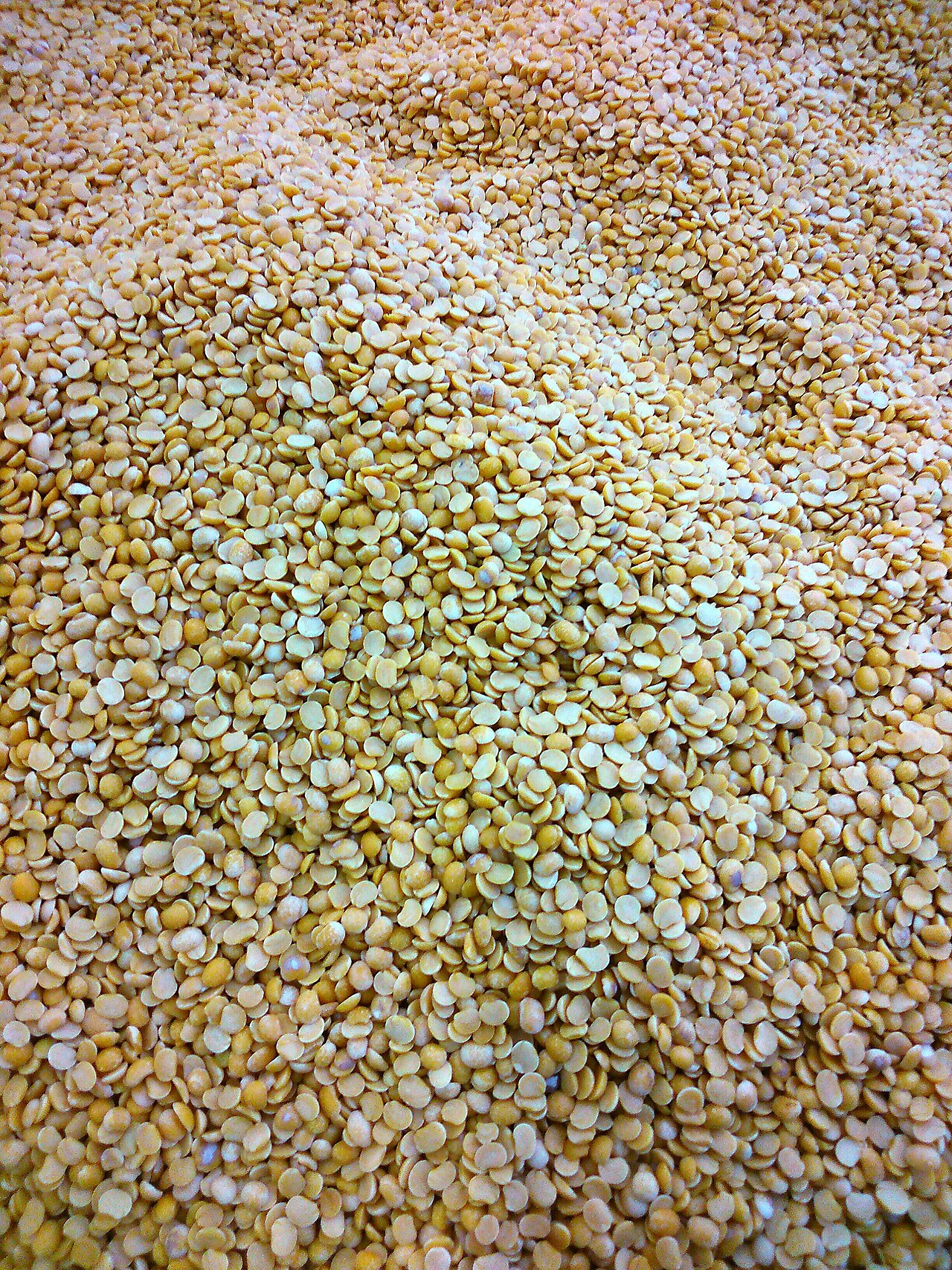
The Tamil Nadu government has put limits on the stocks of tur (pigeon pea) and urad (black gram) that traders may hold, for three months from 13 November 2026. The state says the aim is to keep supplies moving, spread them fairly and keep the two pulses within reach of consumers at fair prices.
The Tamil Nadu Tur and Urad Pulses (Storage Control) Order, 2026 was published as an extraordinary notification in the state gazette on 13 November. It was issued by the Co-operation, Food and Consumer Protection Department under Section 3 of the Essential Commodities Act, 1955, with the prior concurrence of the Central Government.
Under the order, a wholesaler may hold at most 200 tonnes of each pulse and a retailer 5 tonnes of each. Big-chain retailers are allowed 5 tonnes of each pulse at every outlet and 200 tonnes at each depot. Millers may keep stocks equal to their last three months' production or 25% of their annual installed capacity, whichever is higher. Importers may not hold imported stock for more than 45 days after customs clearance, so that imports reach the market rather than sit in warehouses.
The limits follow a steep rise in wholesale prices. According to the India Pulses and Grains Association (IPGA) market update of 14 November, tur (Lemon) in Chennai traded at Rs 9,800 a quintal on 13 November, 51.35% above Rs 6,475 a year earlier, and desi tur in Akola rose 52.67% to Rs 10,725 from Rs 7,025. In Chennai, urad SQ was up 34.48% at Rs 9,750 a quintal and urad FAQ up 36.57% at Rs 9,150.
The supply outlook is also weak. A poor kharif monsoon and unseasonal rain in several regions are likely to cut pulse output, and the rabi pulse area stood at only 4.7 million hectares on 13 November, against about 5.5 million hectares at the same point last year. A possible El Niño effect on rabi crops adds to the risk.
The Union Ministry of Consumer Affairs had earlier approved the state's proposal, after Tamil Nadu pointed to retail prices running above the national average and to weather risks, including El Niño and inadequate rain, that could encourage hoarding and price swings. The Centre is also watching pulse supplies and releasing buffer stocks to moderate prices.
The report was written by Ajeet Singh.
Photo: Dahivada / Wikimedia Commons (public domain)
Source: Rural Voice



Comments
(0)