
Crops
E-Waste Poses a Serious Threat to Agriculture and Public Health
As smart farming spreads, discarded sensors, drones and electronics are adding to e-waste whose heavy metals poison soil, water and the food chain.
As smart farming spreads, discarded sensors, drones and electronics are adding to e-waste whose heavy metals poison soil, water and the food chain.
Biotechnology, AI and drones could help Bangladesh's farming withstand climate threats, but the country is still at an early stage in biotechnology.
Heavy metals from discarded electronics are seeping into farmland, water and the food chain, and the writer calls for recycling and safe disposal, including of farm sensors.
With population growth, climate change and labour shortages straining farming, smart, technology-driven agriculture is essential for Bangladesh's food security, the writer argues.
Rajbari entrepreneur Md. Shariful Islam Akash has sold 25,000 to 30,000 locally made modern farm tools worth about Tk 1.5 crore to 2 crore to make farm work easier.
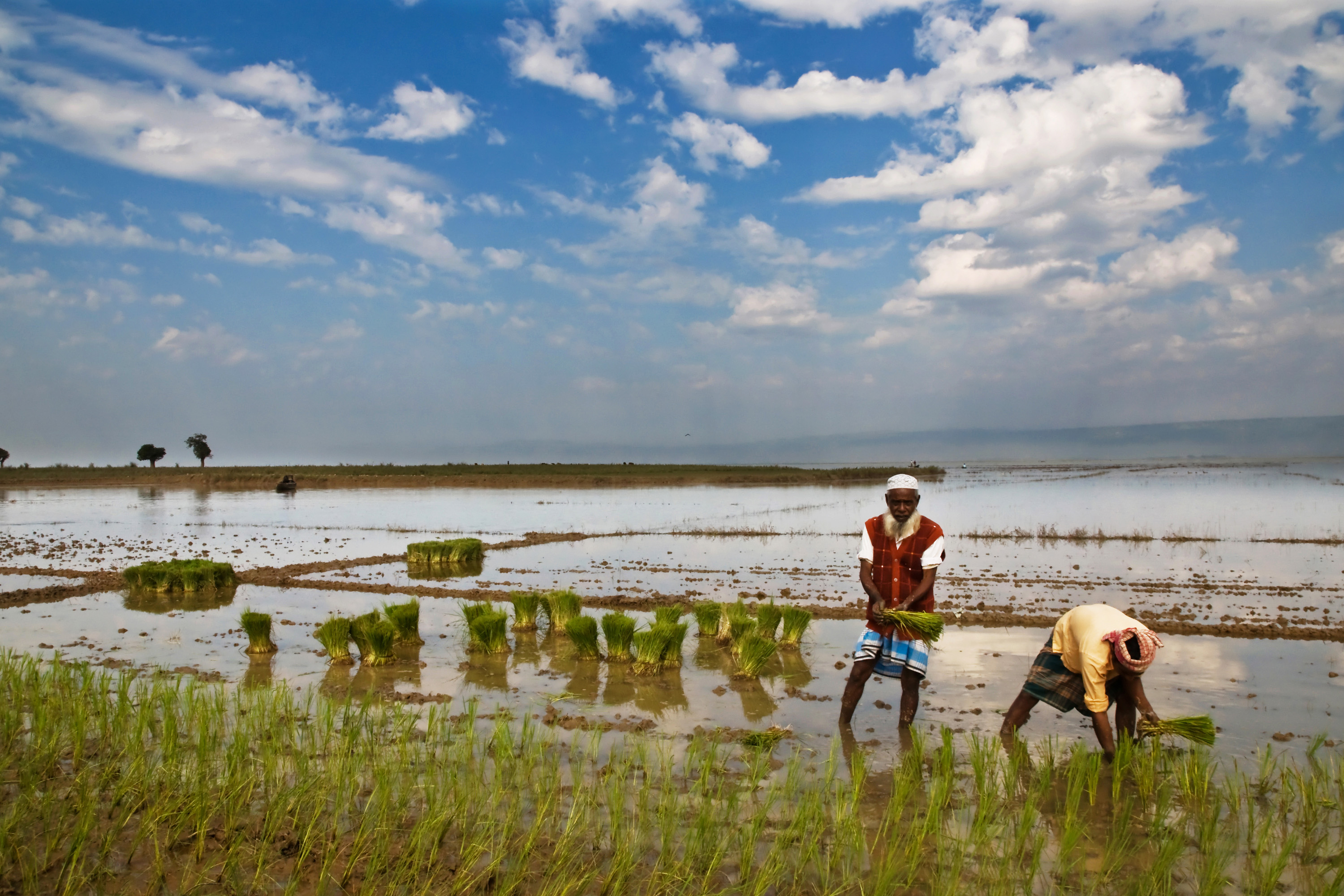 Crops
Dr. Chashi, an AI app that identifies crop diseases and pests from leaf photos, had about 87,000 users in December 2025, 30 percent of them farmers.
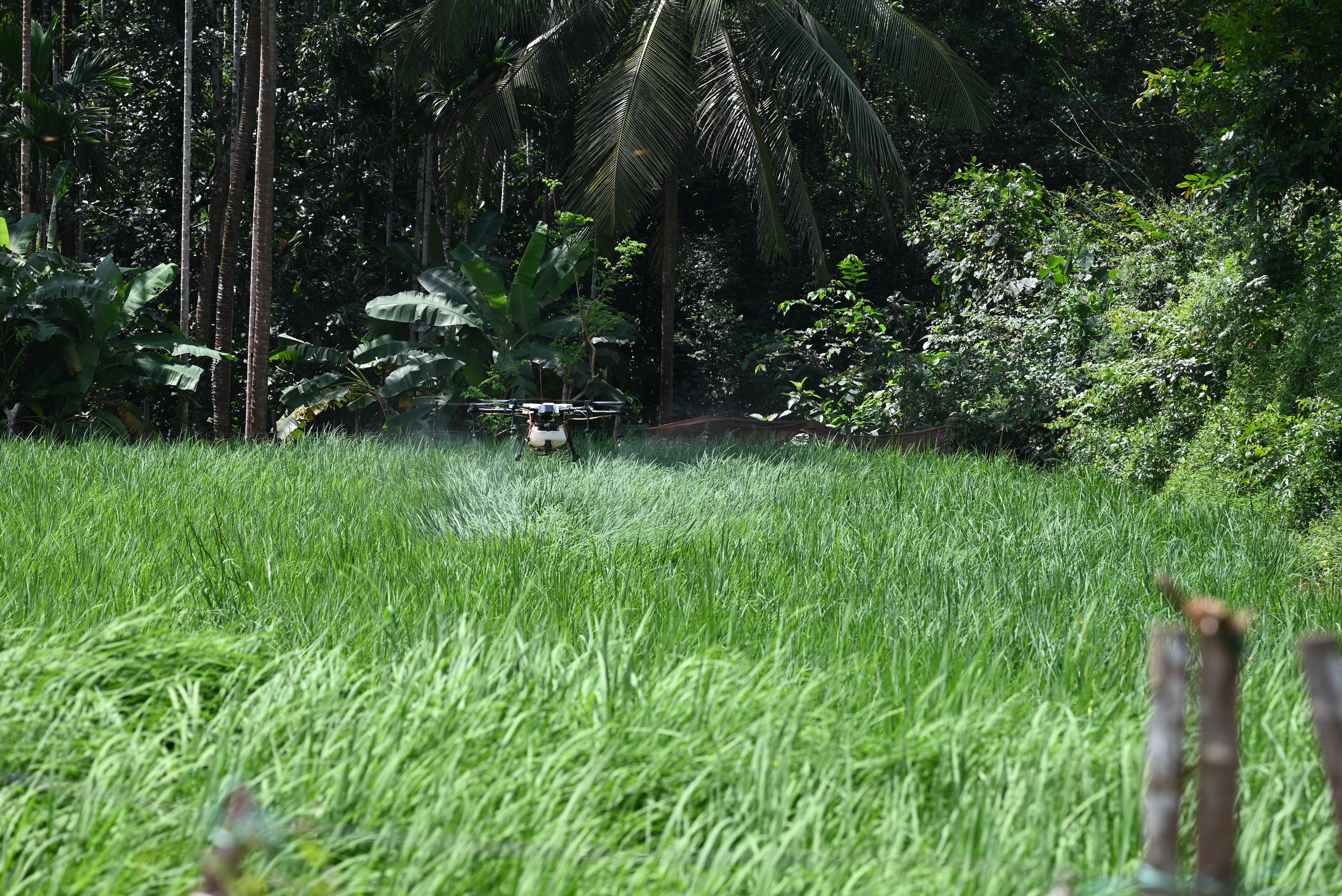 Agrotech
In a Jagonews24 piece of 8 December 2025, agriculture and environment specialist Samiran Biswas presented spray drones as a way to cut time, labour and pesticide waste and set out their prospects in Bangladesh; research shows drone spray can still drift onto neighbouring fields.
The farm machinery market has grown to about Tk 12,000 crore as labour shortages push mechanisation, but local firms supply less than a third and about 80 percent is imported.
The Directorate of National Consumer Rights Protection has launched Bazardor, an Android app that gives daily updated prices of more than 100 essential goods.
Trishal's upazila administration has developed an AI-driven fish farming system using sensors, an app and automatic feeders and aerators that can quadruple output in a small area.