
Technology has made life easier, faster and more efficient, but it has a silent and dangerous side effect: electronic waste, or e-waste. Mobile phones, computers, televisions, refrigerators, air conditioners, smart watches, modern farm machinery, drones, digital sensors, GPS-based equipment and automatic control systems have become essential parts of daily life.
Rapid technological change, the appeal of new models and the short lifespan of electronic products mean vast amounts of old equipment are discarded. Without proper collection, sorting, management and safe processing, toxic substances from this waste spread into the environment, contaminating soil, water and air and threatening farm production, food security, biodiversity and public health.
What e-waste contains
E-waste includes old phones, computers, TVs, monitors, fridges, washing machines, batteries, chargers, circuit boards, wires, printers, scanners, and sensors, GPS devices and smart control units used in agricultural technology. Its most dangerous components are lead, mercury, cadmium, arsenic, chromium, nickel, brominated flame retardants, toxic plastics and other chemicals. These do not break down easily; they stay in the soil, destroy its organic quality, reduce fertility and enter crops through plant roots, accumulating in people and animals through the food chain. The result is a rising risk of cancer, nervous system damage, kidney and liver problems, reproductive disorders and harm to children's physical and mental development.
Why it matters for farming in Bangladesh
- Heavy metals build up in farmland, disrupt soil biology and kill beneficial microorganisms, steadily reducing fertility and productivity.
- Rain carries toxic chemicals deep into the soil and groundwater, then into rivers, canals, beels and ponds, upsetting aquatic ecosystems.
- E-waste is often burned in the open to recover copper and other metals, releasing dioxins, furans and other highly toxic gases.
- Crops, vegetables and fruit grown on contaminated soil, and fish raised in polluted water, accumulate toxic elements, undermining food safety.
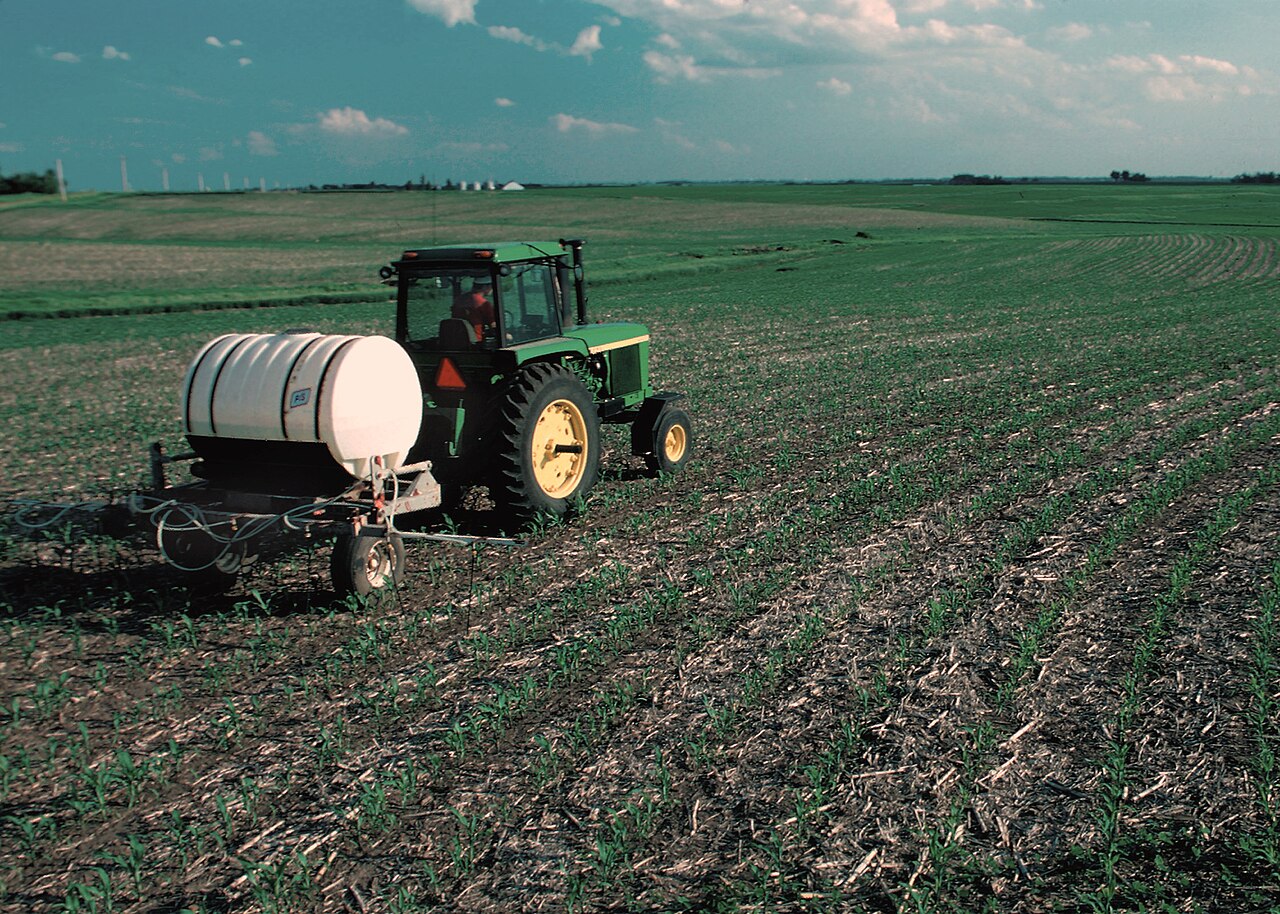
Smart agriculture now uses soil sensors, NPK sensors, weather monitoring devices, drones, GPS-based machinery and automatic irrigation controls. When these become obsolete they turn into e-waste, yet Bangladesh still lacks adequate systems for safe collection, sorting and environmentally sound recycling. Most old electronics are thrown out with ordinary rubbish or burned in the open. The more technology agriculture uses, the more important safe, planned disposal of old equipment becomes.
Awareness and action
Lack of awareness is a major problem: many people do not know that used batteries, chargers, phones and other electronic devices should not go in ordinary rubbish. The writer calls on families, schools, local government, media, social organisations and private companies to raise awareness together, and for children to be taught practical, environmentally sound waste management from an early age.
He recommends buying fewer unnecessary electronics and choosing durable, quality products; repairing and reusing equipment, passing it on or donating it; and handing e-waste to approved, safe recyclers. He also calls for metal recovery using modern technology, an environmentally friendly recycling industry, extended producer responsibility, a national e-waste management policy, strict enforcement of existing laws and the inclusion of environmental and e-waste management in school, college and university curricula.
Conclusion
Agriculture, the environment and human health are part of one sensitive system. Unmanaged e-waste will gradually make soil, water, air and the whole food system toxic, and future generations will bear the burden. If every citizen stores e-waste separately, hands it to approved facilities and takes part in recycling, the crisis can be largely controlled, because a safe environment means safe farming, safe food and healthy people.
The writer is a senior agriculturist, essayist, retired government official and chairman of the DRP Foundation.
Source: Jagonews24. First published in Bengali on The Agro News.
Comments
(0)