
India has ordered every trader, wholesaler, retailer, large retail chain and rice miller in the country to declare its rice and paddy stocks each week, and has allowed five southern states to impose stock limits until January 31, 2027, as prices rise after a deficient and uneven monsoon.
Under an order issued on November 6, the Ministry of Consumer Affairs, Food and Public Distribution requires everyone holding rice or paddy to register on the government's Food Stock Portal and update their stock position every Friday. Six categories are covered: basmati rice, non-basmati premium rice, non-basmati rice, parboiled rice, broken rice and paddy. Failing to register or breaking a stock limit can bring action under Sections 6 and 7 of the Essential Commodities Act, 1955. The Centre has given Andhra Pradesh, Karnataka, Kerala, Tamil Nadu and Telangana its concurrence to impose limits through control orders wherever necessary.
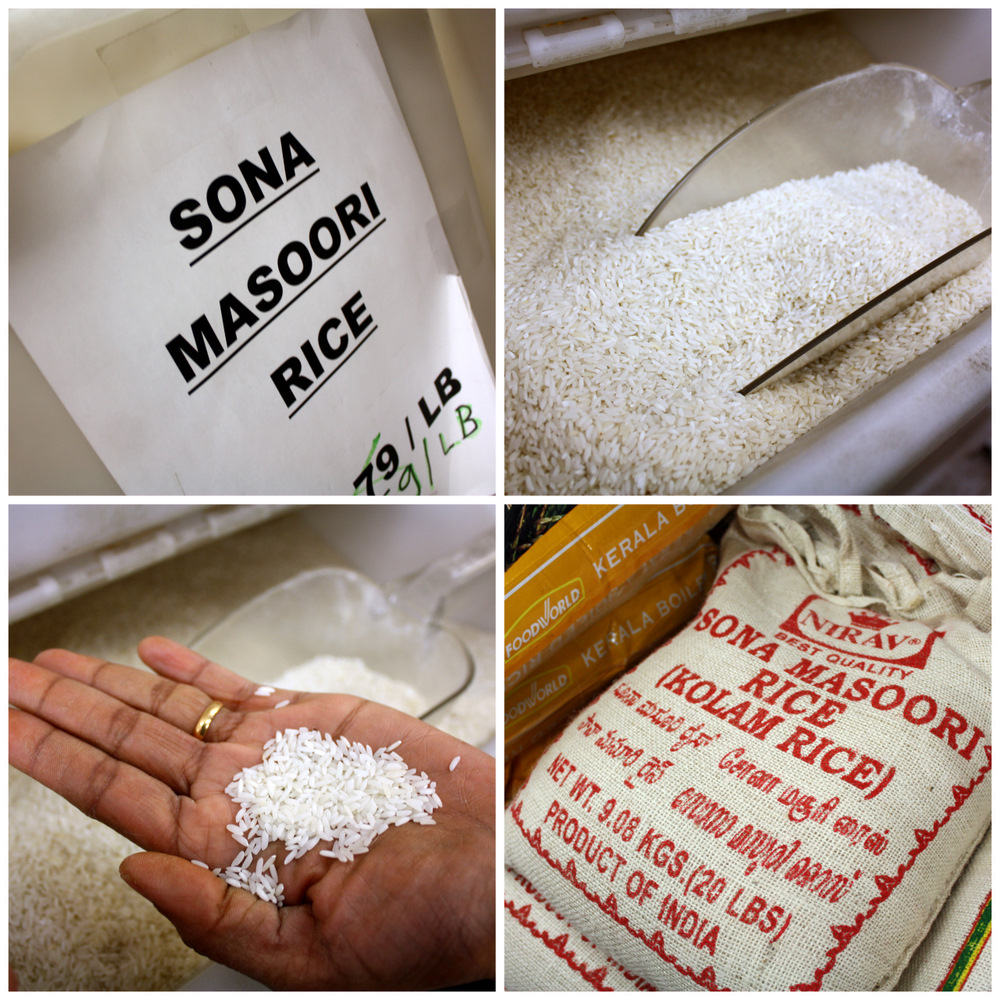
The pressure is sharpest in southern India and in premium non-basmati rice. Wholesale Sona Masoori in southern markets has reportedly risen to Rs 65-70 a kg from around Rs 50 a month earlier, and Samba Masuri and Ponni have also become dearer. Kharif paddy acreage for 2026-27 fell by around 4% to 42.68 million hectares, and trade estimates put the 2026-27 crop (July-June) at around 147 million tonnes, against a record 154 million tonnes in 2025-26. El Niño has also disrupted rice prospects elsewhere in Asia, and the US Department of Agriculture has forecast that global rice production could fall this season for the first time in more than a decade.
The price rise does not necessarily mean a nationwide shortage: government rice stocks remain comfortable, Rural Voice reported. The government has given additional Bharat Rice allocations to NAFED, NCCF and Kendriya Bhandar and told them to widen distribution, particularly in the southern states. It has also doubled the rice sale target under the Open Market Sale Scheme (Domestic) for 2026-27 from 25 lakh metric tonnes to 50 lakh. By October 31, 25 lakh tonnes had already been sold to private buyers through e-auctions, against 11 lakh tonnes in the same period a year earlier.
Broken rice is a further worry, with exporters competing against domestic ethanol makers and poultry-feed producers for supplies. Indian 100% broken rice has crossed USD 360 a tonne on international markets, the benchmark Asian rice price is at its highest in almost two years, and domestic wholesale broken rice rose from Rs 2,883 to Rs 3,036 a quintal in three weeks.
The Indian Rice Exporters' Federation has said renewed restrictions on 100% broken rice exports cannot be ruled out if domestic prices keep rising, and broken rice exporters have reportedly been advised not to sign fresh forward contracts. India banned broken rice exports in September 2022 and returned them to the free export category on March 7, 2025. No new export restriction has been announced so far.
The story was reported by Ajeet Singh for Rural Voice.
Photo: Leslie Seaton / Wikimedia Commons (CC BY 2.0). Sona Masoori rice sold in bulk, photographed in the United States.
Source: Rural Voice

Comments
(0)