
Farmers who put a contact broadleaf herbicide and a systemic grass herbicide in the same tank to save a trip across the field may find the grass weeds still standing afterwards, two US Extension weed specialists have warned. The effect is called herbicide antagonism: a tank mix of several herbicides controls weeds worse than each product would have done on its own, and it is a growing problem in grass weed control.
Dr. Eric Prostko, weed specialist with University of Georgia Extension, and Dr. Charlie Cahoon of North Carolina State Extension told CropLife that farmers can avoid it by spraying postemergence grass and broadleaf herbicides separately, or by researching a mix before using it in the field. "We've known about antagonism for a really long time," Prostko said, adding that it is common today because growers want fewer trips over the field and lower costs.
Antagonism can start in the tank, where products that do not mix well form a sludge that clogs the sprayer. A mix that flows through the sprayer can still fail in the field: the likely cause, Prostko said, is that the contact broadleaf herbicide stops the systemic grass herbicide from entering the grass and moving through the plant. Both specialists say antagonism could in theory feed herbicide resistance, since it exposes grasses to doses that do not kill them, though more research is needed on that risk.
Their advice begins early in the season. A preemergence residual herbicide should target both broadleaf and grass weeds, and postemergence sprays should hit weeds before they grow taller than four inches. Drought makes antagonism worse, because grass that is not growing does not absorb a systemic herbicide or move it through its tissues. "Drought greatly exacerbates the issue of antagonism," Cahoon said.
Prostko advises separate passes where possible. After a grass herbicide, a farmer should wait three days before spraying the broadleaf products; after a broadleaf herbicide, five to seven days before the grass herbicide. Raising the grass herbicide rate within the label range can sometimes overcome antagonism in a mix, the two said, but not always, especially against large grasses.
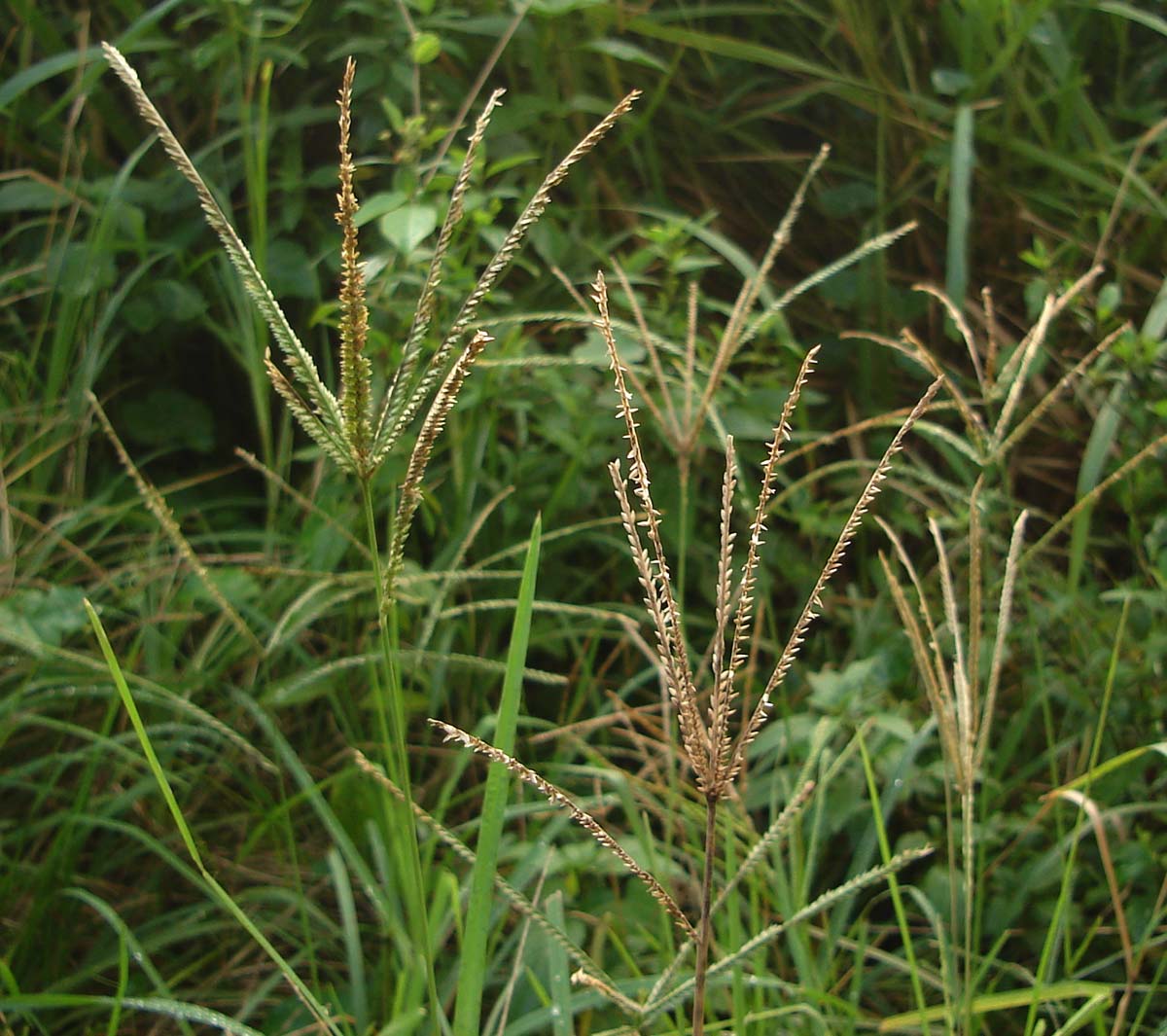
Some mixes carry a known risk. Prostko has warned growers that 2,4-DB tank-mixed with clethodim (Select) can cut grass control by 8% to 15% about half of the time, and that clethodim with imazapic (Cadre) can cut it by 10% to 25%. Goosegrass, broadleaf signalgrass, junglerice, Italian ryegrass and Texas panicum are especially prone, and Prostko called goosegrass "public enemy number one for antagonism right now in the South."
Cahoon has noticed that grasses which are hard to control with glyphosate alone are especially prone when glyphosate is mixed with dicamba or 2,4-D, and he expects antagonism to become more common as more crops with herbicide-resistant traits reach the market. Before adding products to the tank, both urge farmers to read the labels for mixing instructions and to call their local Extension weed specialist or ag retailer. The article was published with GROW, whose website carries more on herbicide management and herbicide-resistant weeds.
Photo: Tauʻolunga / Wikimedia Commons (CC BY-SA 3.0). Goosegrass (Eleusine indica), photographed in Tonga.
Source: CropLife

Comments
(0)