
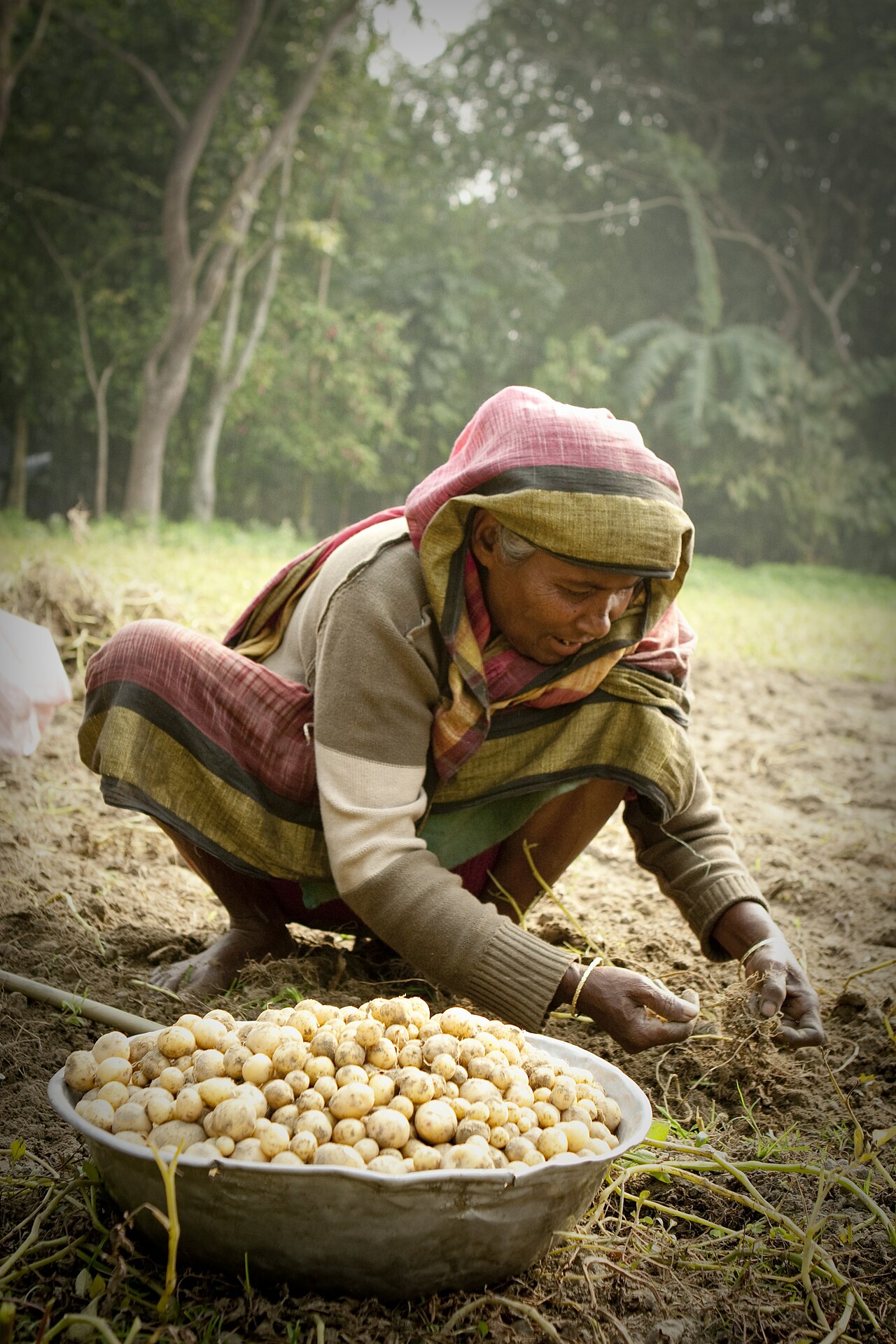
The government has taken up a plan to make starch powder from Bangladesh's surplus potatoes. Mir Shahe Alam, state minister for local government, rural development and cooperatives, said work would soon begin on 8 to 10 starch factories in the north, and that their starch would be exported. Agricare24 carried the report, citing the daily Bhorer Dak.
Bangladesh grows more potatoes than it consumes in most years, and farmers often fail to get a fair price. Unsold potatoes pile up in cold stores at the end of the season, and many growers cannot recover their costs. Using potatoes as an industrial raw material as well as a food would open another market for the surplus.
Potato starch is used in food, textiles, paper, medicines and chemicals, and in products from biscuits, noodles, chips and sweets to capsules and glue. Part of the raw material for these industries is now imported. Factories in the main potato districts, such as Rangpur, Dinajpur, Bogura, Joypurhat and Thakurgaon, could buy directly from farmers and cut transport costs.
The report also lists the challenges: the dry matter and starch content of the potatoes, suitable varieties, modern machinery, steady power and water, and production costs. Experts say that without choosing the right varieties and controlling costs through research, the industry will struggle to compete abroad. It points to private investment, easy credit and contract supply between factories and farmers as the answers.
The report also mentions plans to open Bogura airport for direct exports of potatoes and vegetables, and to give it international and cargo facilities. The state minister said the plan, once carried out, would reduce growers' risk of losses. A larger processing industry could give farmers a year-round market for potatoes, the report says, but only if factories guarantee their intake, pay fair prices and have modern storage.
Photo: Hridoye Mati O Manush / Wikimedia Commons (CC BY 2.0)
Source: Agricare24
Comments
(0)