
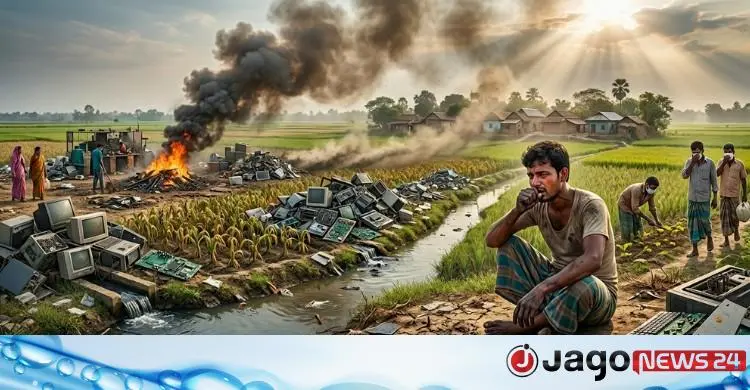
The world runs on technology, but electronic waste, or e-waste, is a silent threat to agriculture, the environment and human health. New phones, computers, televisions, fridges, smart devices and electrical appliances reach the market every day, and old ones are quickly discarded. For farm-based countries the danger is especially serious, because toxic components of e-waste slowly contaminate soil, water, air and the food chain.
E-waste means unusable or discarded electrical and electronic products: old phones, broken computers and televisions, fridges, washing machines, batteries, chargers, circuit boards and cables. Tens of millions of tonnes are generated worldwide each year, and part of the waste from developed countries enters developing countries in the name of recycling, where it is often not processed properly.
How e-waste harms farming
- It contains lead, mercury, cadmium, arsenic, chromium and brominated compounds that accumulate in soil, reduce fertility, stunt crops and enter people through food.
- Open burning releases toxic smoke; rainwater carries chemicals into groundwater; waste dumped in rivers and canals harms aquatic life and fisheries.
- Vegetables, rice and fruit grown on contaminated land can carry toxic metals, raising long-term risks of cancer, kidney disease, nerve damage, breathing problems and developmental problems in children.
E-waste is also an economic problem: gold, silver, copper and aluminium in electronics are lost when waste is destroyed carelessly. In Bangladesh, e-waste management is still underdeveloped. In cities, old electronics are left in the open, burned or dismantled unsafely, sometimes by child workers, and many people do not know that batteries, phones and chargers should not go in ordinary rubbish.
What should be done
- Follow "reduce, reuse and recycle": use fewer unnecessary devices, repair phones instead of discarding them, and donate old computers to schools or poor students.
- Build government-approved, safe recycling with modern technology to recover valuable metals.
- Adopt strict e-waste rules, encourage industry to use green technology, and run awareness campaigns through schools, colleges and the media.
- Make durable, easily repaired products and expand solar and renewable energy.
As smart technology spreads in farming, old farm machinery and electronic sensors are also becoming e-waste. IoT-based farm devices, sensors, batteries and digital equipment must be disposed of safely after use, the writer says.
Conclusion
E-waste is not ordinary rubbish but a silent poison. If everyone sorts it properly and takes part in recycling, the crisis can be greatly reduced, because a safe environment means safe farming, safe food and a healthy future.
Source: Jagonews24. First published in Bengali on The Agro News.
Comments
(0)