
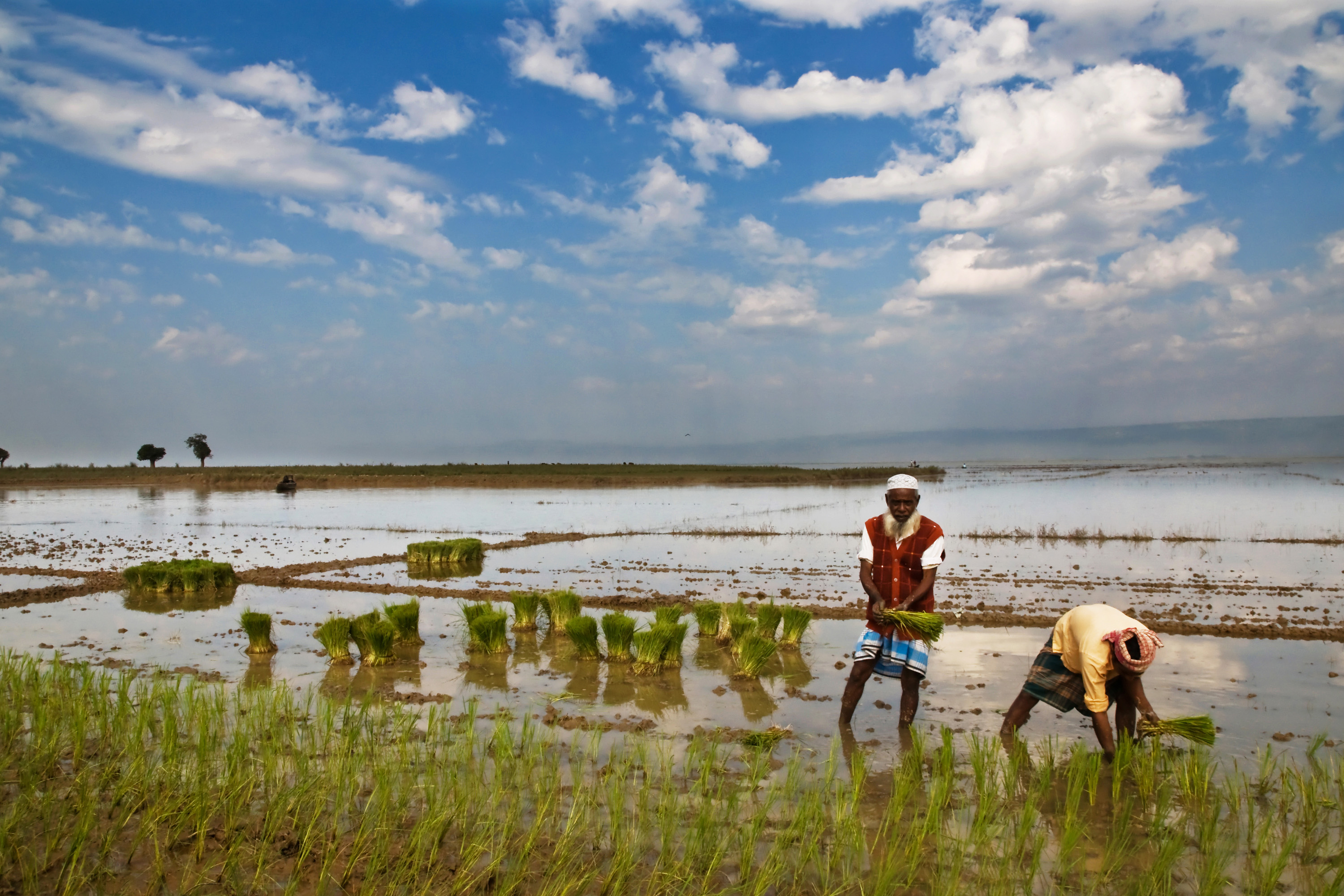
Late diagnosis of crop diseases and pests costs Bangladeshi farmers both yield and money every season. A December 2025 report in Jagonews24 described a home-grown example of artificial intelligence (AI) in farming: the Dr. Chashi app, which it called the first AI mobile app used at field level in Bangladesh's agriculture. According to the report, the app had about 87,000 users at the time.
Why AI for crop diagnosis
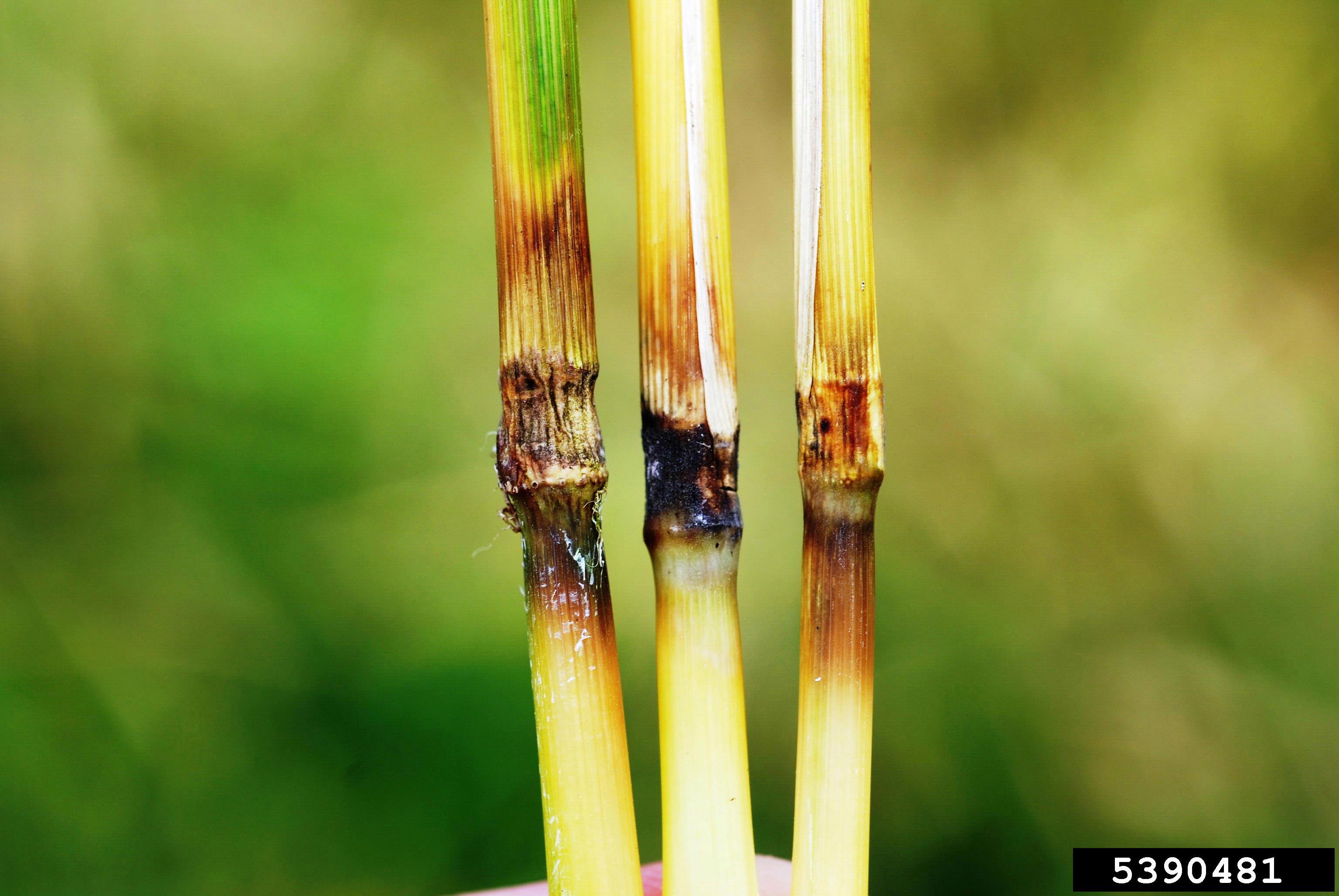
Conventional diagnosis usually depends on an agronomist or an extension officer, which takes time and is not available everywhere. The Food and Agriculture Organization of the United Nations (FAO) estimates that up to 40 percent of global crop production is lost to plant pests each year. Plant diseases cost the world economy more than 220 billion dollars a year, and invasive insects at least 70 billion dollars.
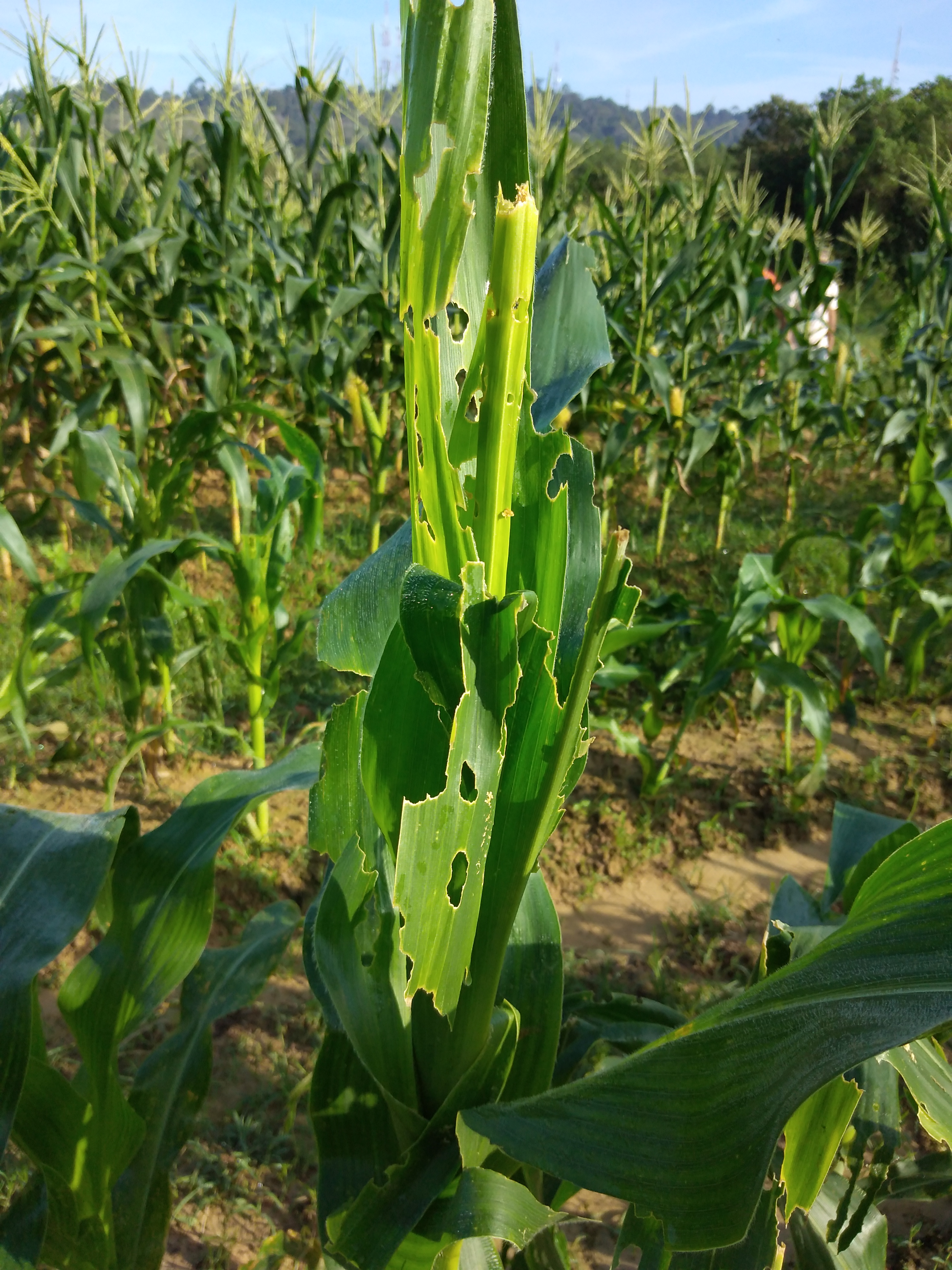
AI-based systems use machine learning, deep learning and computer vision to analyse photos of leaves taken with a smartphone or a drone. The software matches the symptoms in the image to a disease or pest and suggests a remedy, so a farmer can act quickly and cheaply and avoid spraying pesticide that is not needed.
What the Dr. Chashi app offers
Jagonews24 listed the app's main services as:
- instant detection of diseases and pests from a photo, with a suggested solution
- recommendations for both organic and chemical treatments
- weather forecasts
- crop- and location-based fertiliser management
- e-commerce, training and advisory services
The app can be used for field crops and for rooftop gardens. The Business Standard reported in May 2023 that Dr. Chashi was founded and led by its chief executive, Medina Ali. At that time the app could identify more than 68 diseases and pests across 17 crops, its detection algorithm was 92 percent accurate, and more than 67,800 images had been collected to train it. It won a Champion award at the BASIS National ICT Awards 2022. The Daily Star wrote in 2025 that the platform had worked with USAID and the Bangladesh Institute of Nuclear Agriculture (BINA).
Users and results in the field
By Jagonews24's count, about 30 percent of the roughly 87,000 users, or about 25,800 people, were farmers. Students and young people made up 37 percent, scientists and agricultural professionals 7 percent, and other groups the remaining 26 percent.
Citing analysis of various data, the report said farmers using the app saw yields rise by 12 to 16 percent, pesticide use fall by 25 to 30 percent, fertiliser use fall by about 11 percent, and savings in time and money of about 33 percent. The report did not say whether these figures had been independently verified.
The report also said such apps were drawing educated young people into farming. Alongside AI, they were taking up Internet of Things soil sensors, spray drones and other smart farm technology, and coming to see agriculture as a modern and profitable profession.
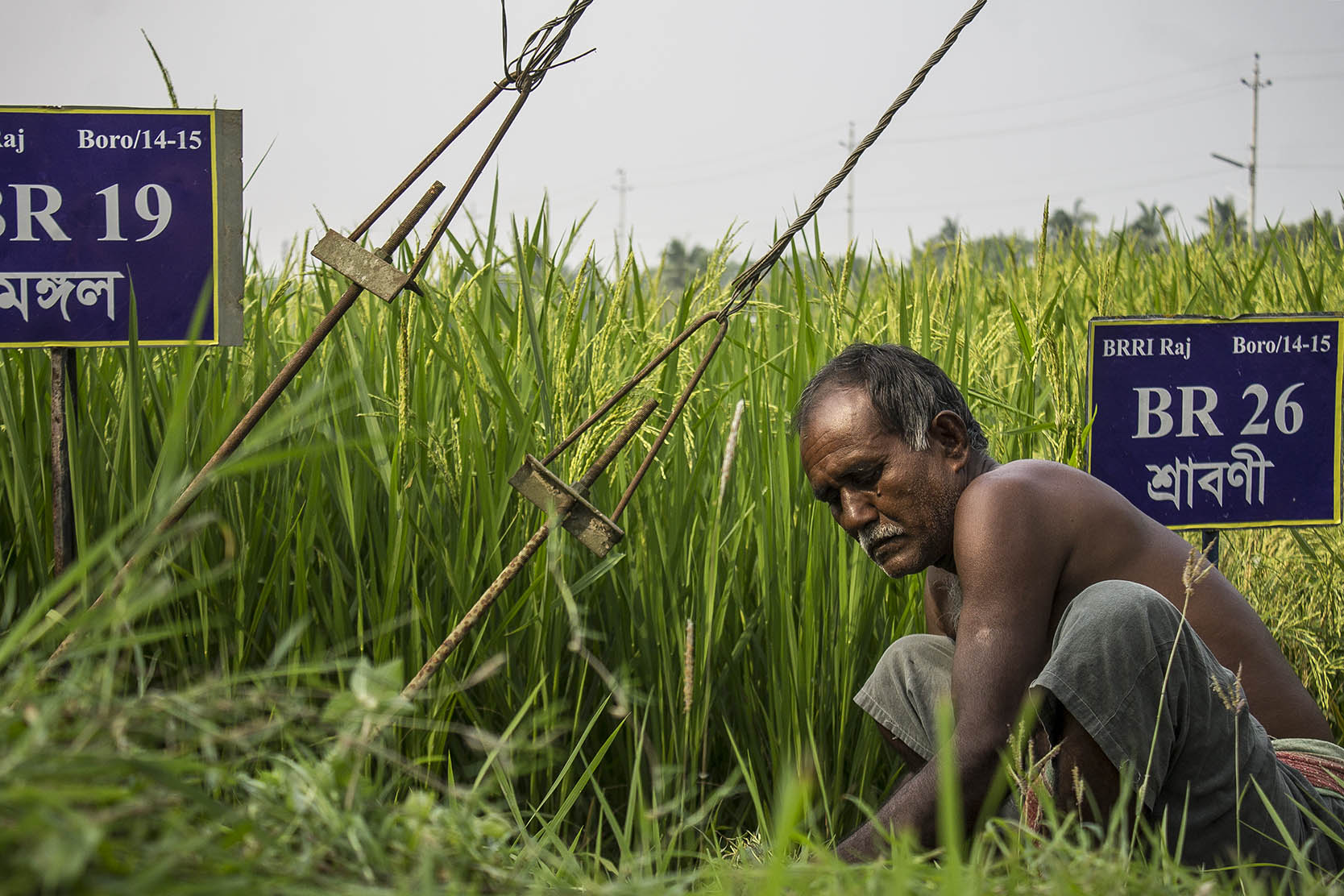
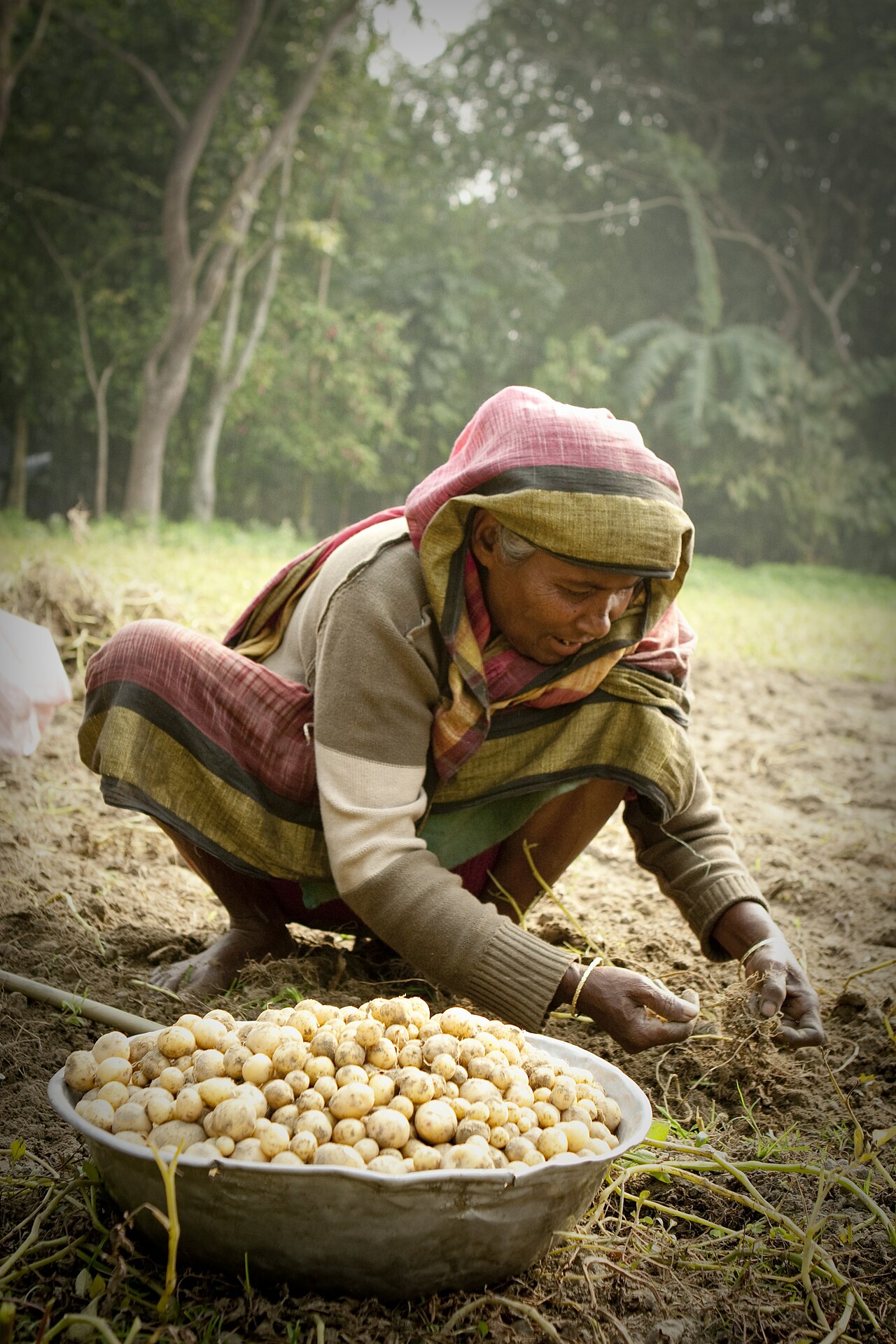
Photo: Balaram Mahalder / Wikimedia Commons (CC BY-SA 3.0)
Sources: Jagonews24, The Business Standard, The Daily Star, Food and Agriculture Organization of the United Nations (FAO)
Comments
(0)