
 Crops
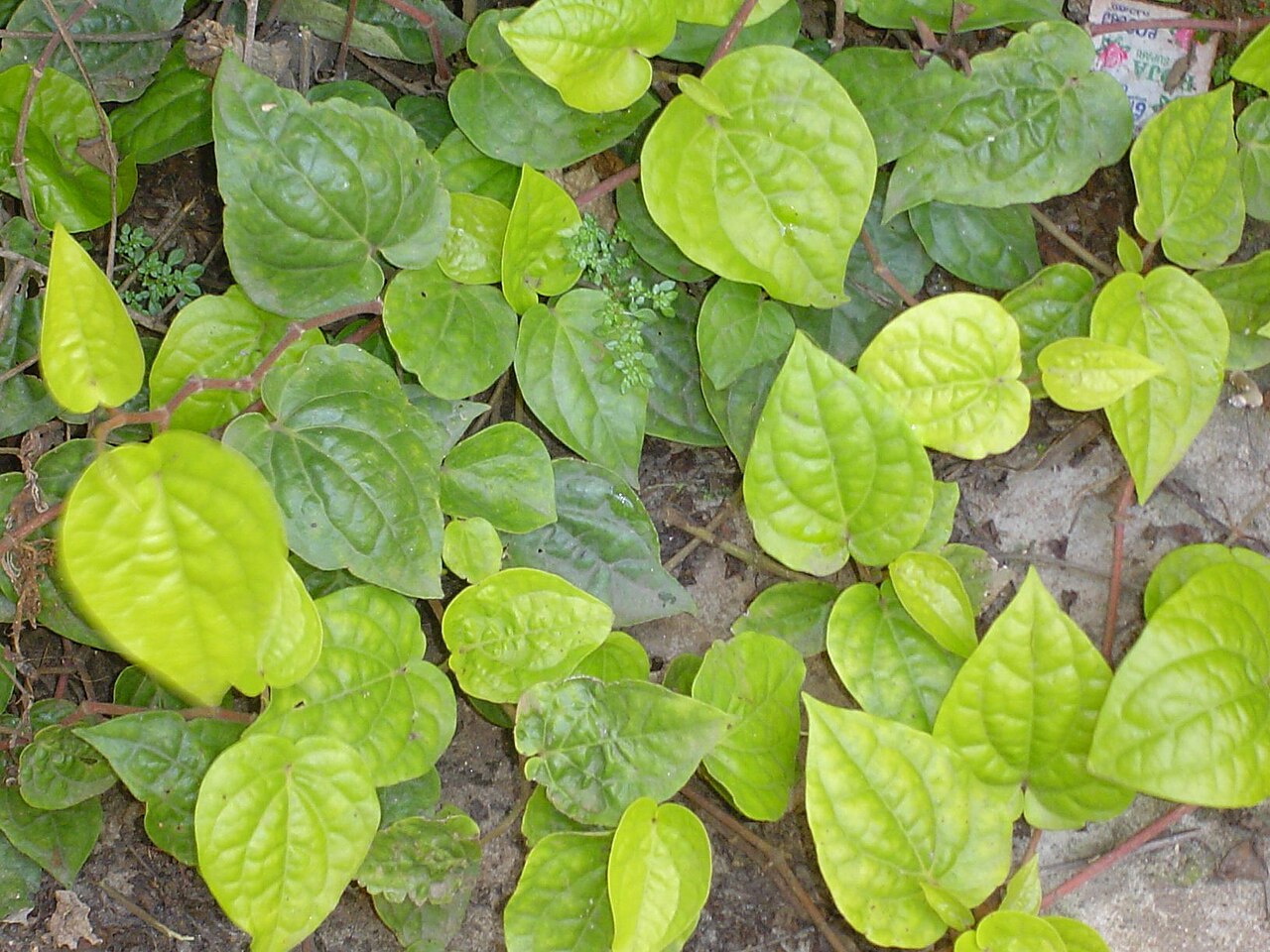
Rot and unfamiliar diseases hit Rajshahi's betel vineyards, growers say
Betel growers in Durgapur, Bagmara, Mohanpur, Puthia and Tanore say pesticides are not stopping leaf rot; the agriculture office says it knows of no new disease.
CropsBetel growers in Durgapur, Bagmara, Mohanpur, Puthia and Tanore say pesticides are not stopping leaf rot; the agriculture office says it knows of no new disease.
 Crops
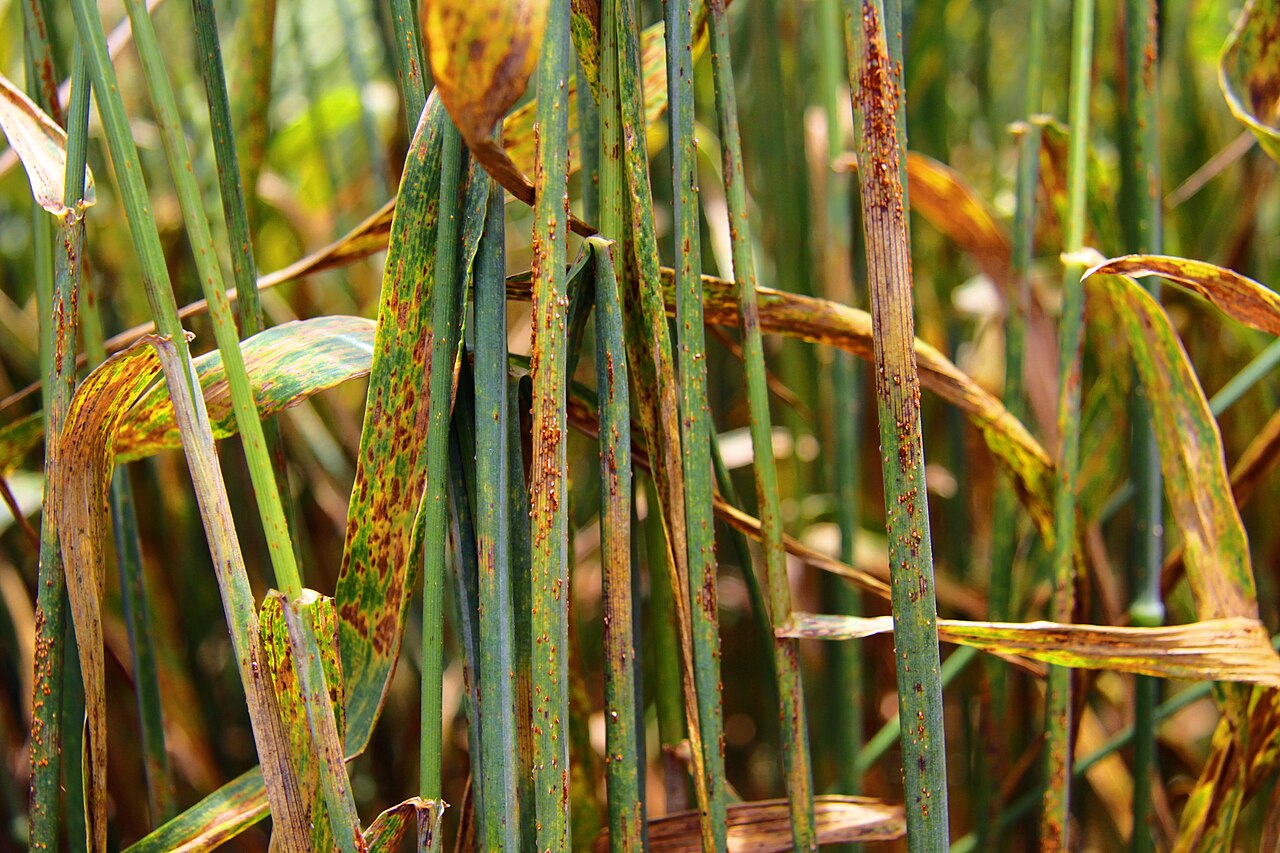
Twenty-two specialists spent two weeks in Mexico learning to identify, monitor and manage wheat blast, rusts, Fusarium head blight, tar spot and maize lethal necrosis.
 Agrotech
An Agriculture and Agri-Food Canada and Carleton University team combines genomic, gene-expression and protein-interaction data with machine learning to find the many small-effect genes behind resistance to Sclerotinia.
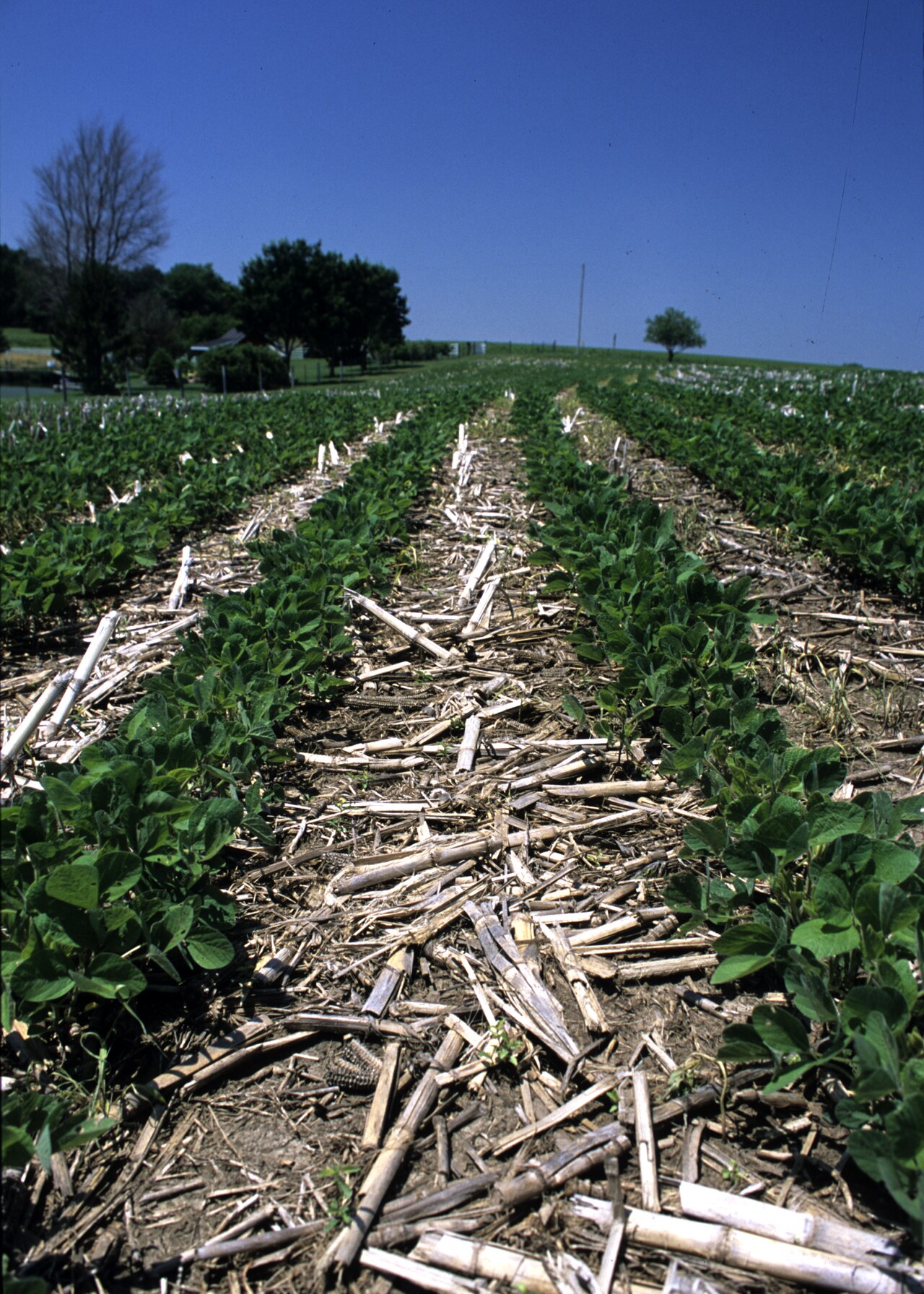
CropsIowa confirmed its first two cases of the soilborne soybean disease this year; pathologists say losses can reach 50 to 70 percent in bad patches and urge farmers to scout, test and stop soil moving between fields.
 Crops
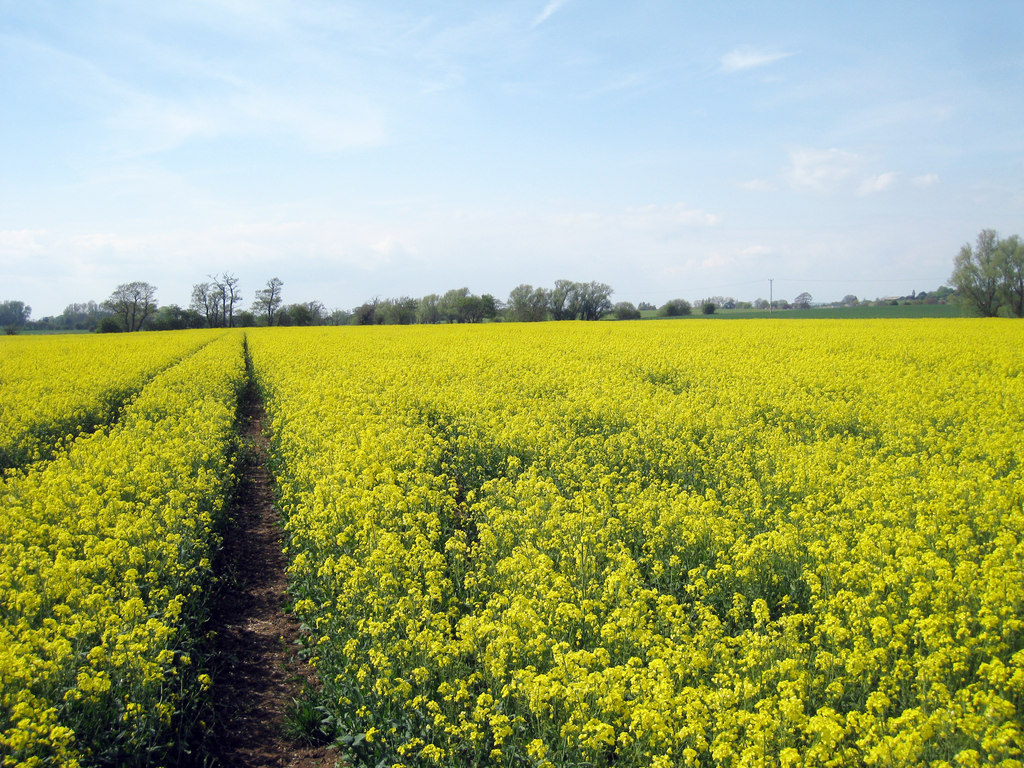
The first confirmed report worldwide of SDHI resistance in Plenodomus biglobosus, one of the two fungi behind phoma stem canker, raises concern about disease control in oilseed rape.
 Crops
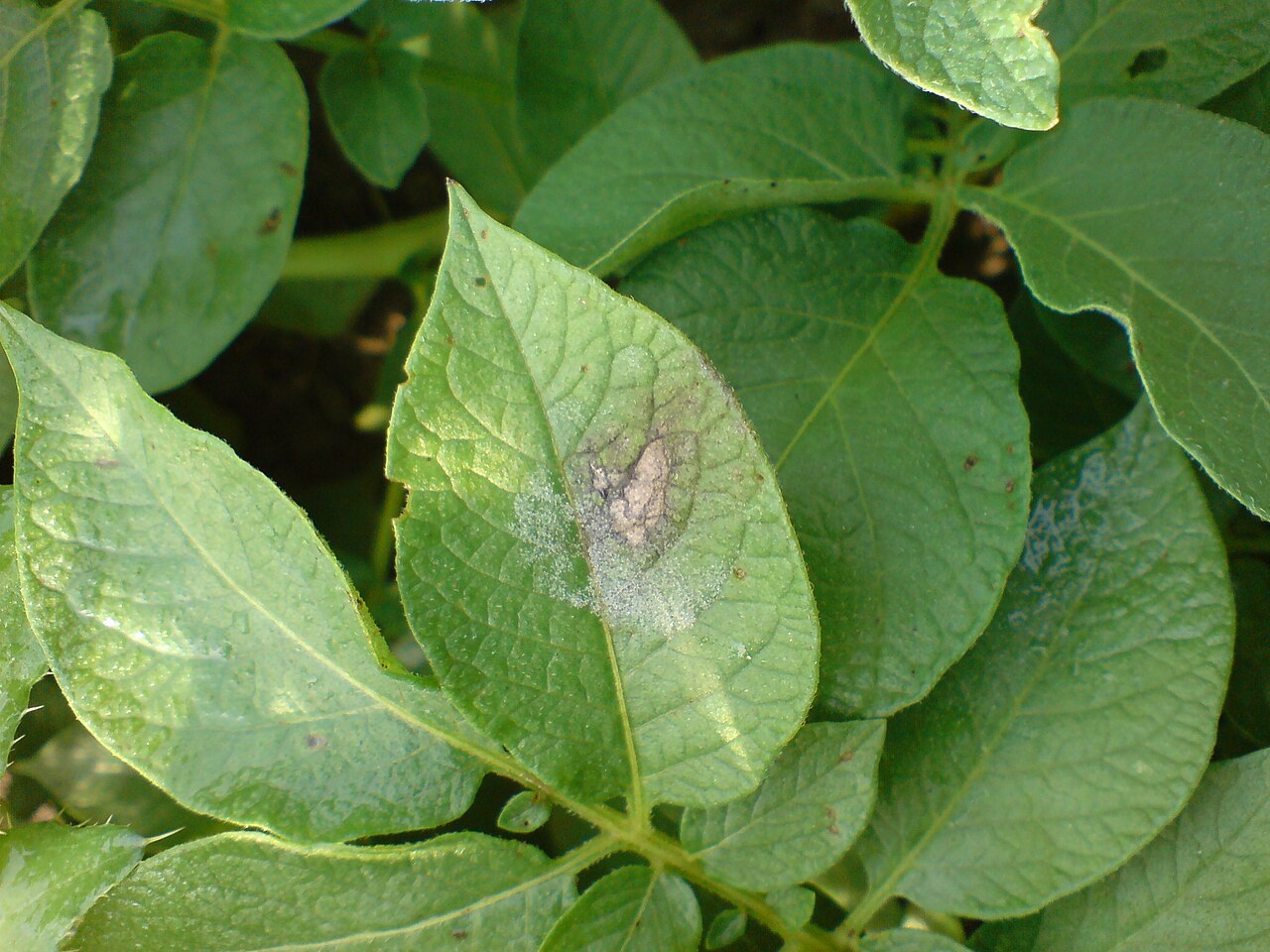
A review in The Plant Journal suggests crops could be protected against whole families of pathogen proteins at once, using AI protein design to block features the pathogens share.
 Crops
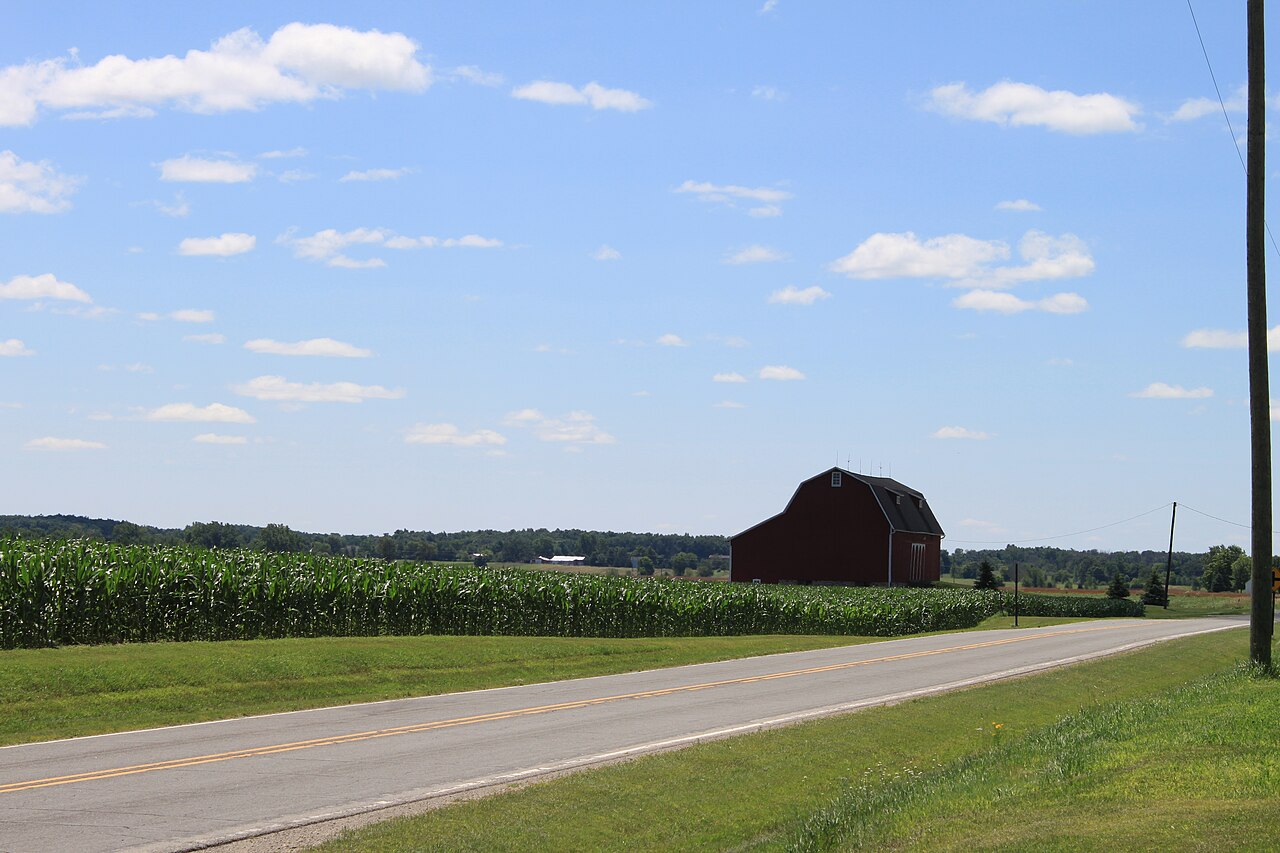
The disease resembles Phaeosphaeria leaf spot or maize white spot, but DNA sequencing has not yet identified the fungus; reports have also come from New York and Pennsylvania.
 Agrotech
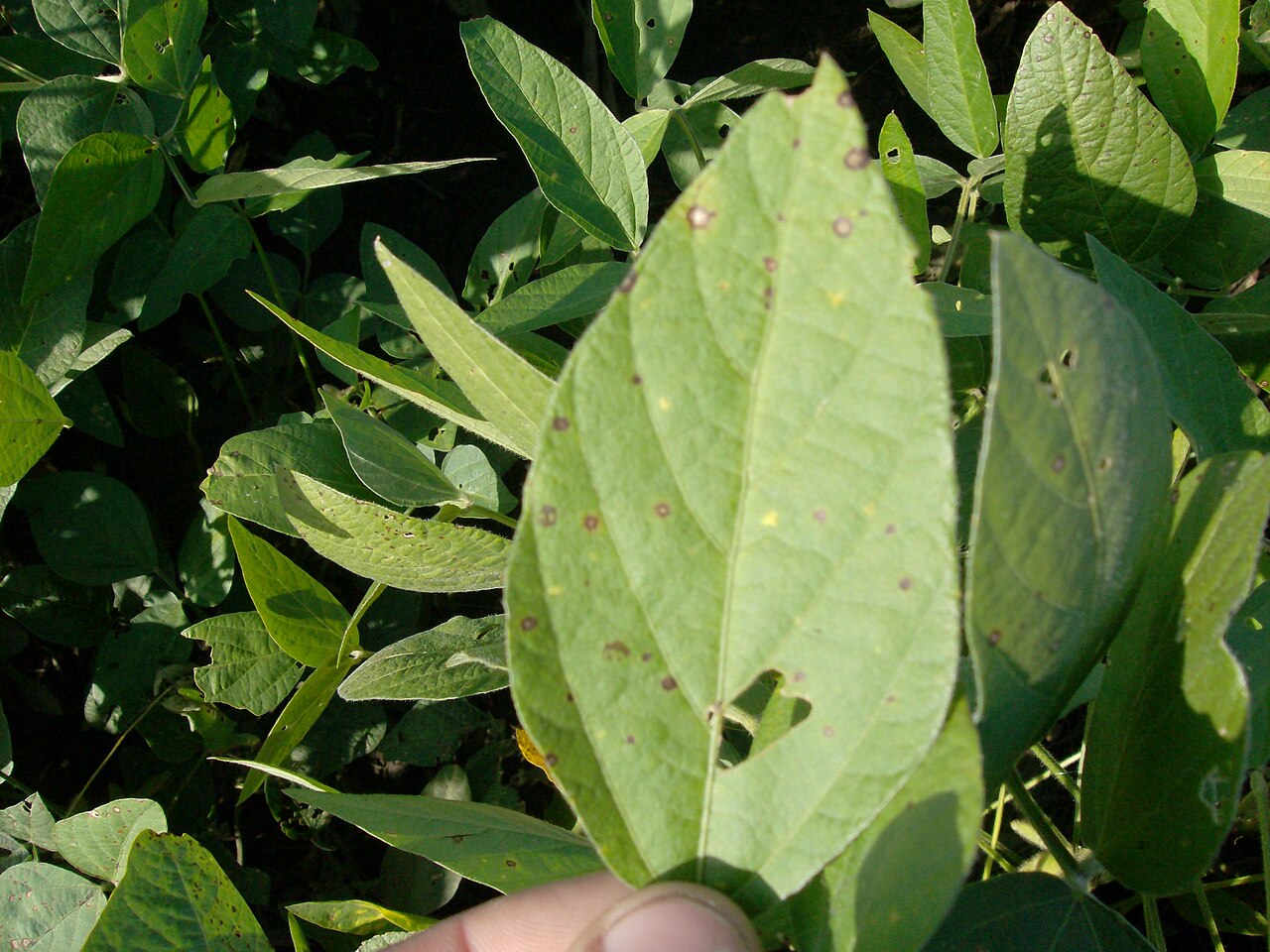
The battery-powered robot films the undersides of soybean leaves where drones cannot see, feeding AI models meant to map frogeye leaf spot hot spots for targeted fungicide.
 Agrotech
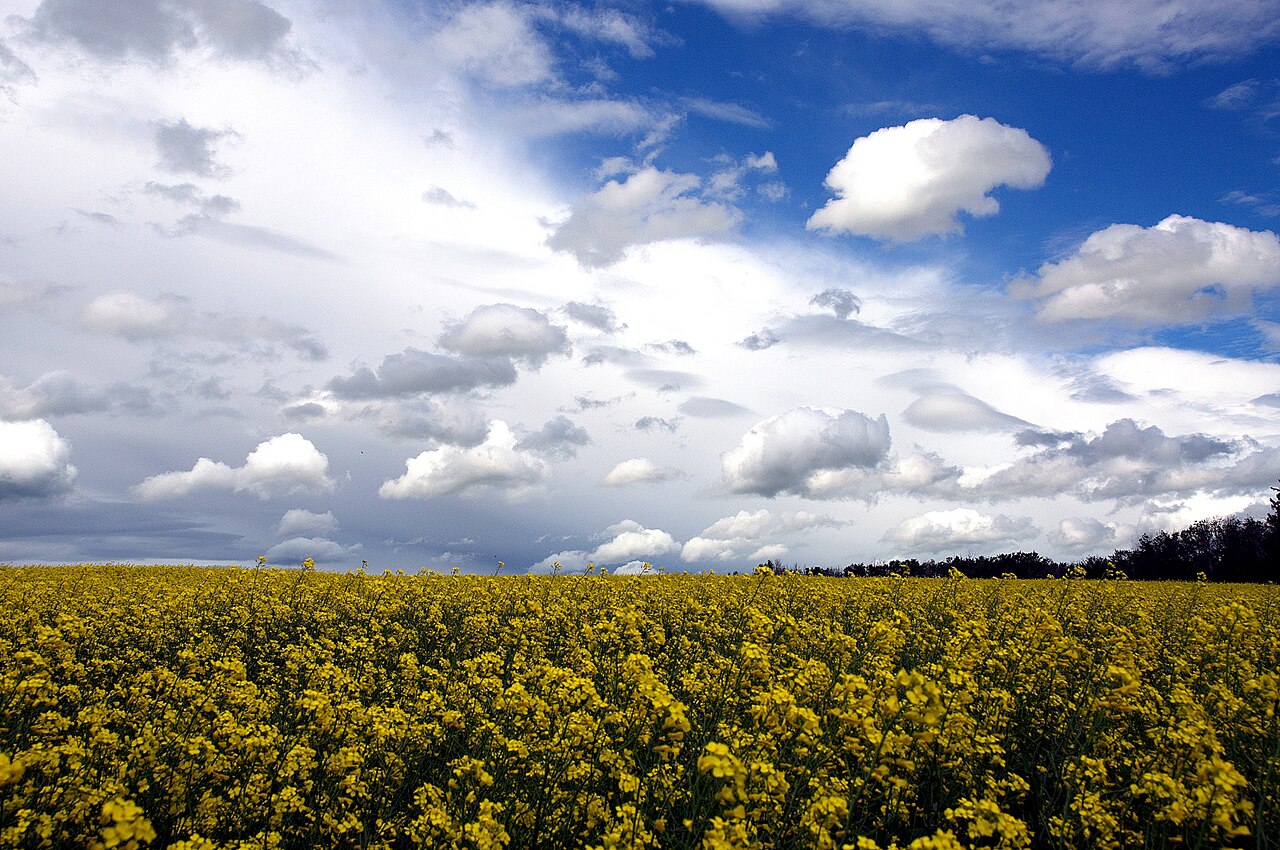
Spornado has 1,600 samplers in 25 countries and tests for 35 pathogens, BioScout images spores with AI and Paramoria builds Prairie thresholds from scratch, but none can yet give a validated spray-or-don't-spray call; Spornado aims to by 2027.
A few minutes with a pair of clippers at swathing time can tell Prairie canola growers which blackleg race and whether verticillium stripe is in their fields, and steer next year's variety choice, extension staff told a disease workshop in Saskatchewan.
A stalled front from Kansas to the Great Lakes is bringing repeated rain through 17 September; Kansas State's Logan Simon reports Fusarium, Diplodia and Aspergillus calls 'blowing up', and agronomists urge scouting beyond the end rows, harvesting sprouted fields first and drying to 15% moisture.
The fungal disease tar spot has been found in corn in Randolph County, North Carolina, the state's first confirmed case, bringing to 19 the number of US states reporting it this year; a state pathologist says late-season infections rarely cut yield but scouting matters if wet weather continues.
Tar spot has been confirmed in Union, Clay, Yankton, Lincoln, Turner and Minnehaha counties after August humidity and rain followed months of drought, but with most corn already dried down a state plant pathologist recommends no treatment this year.