
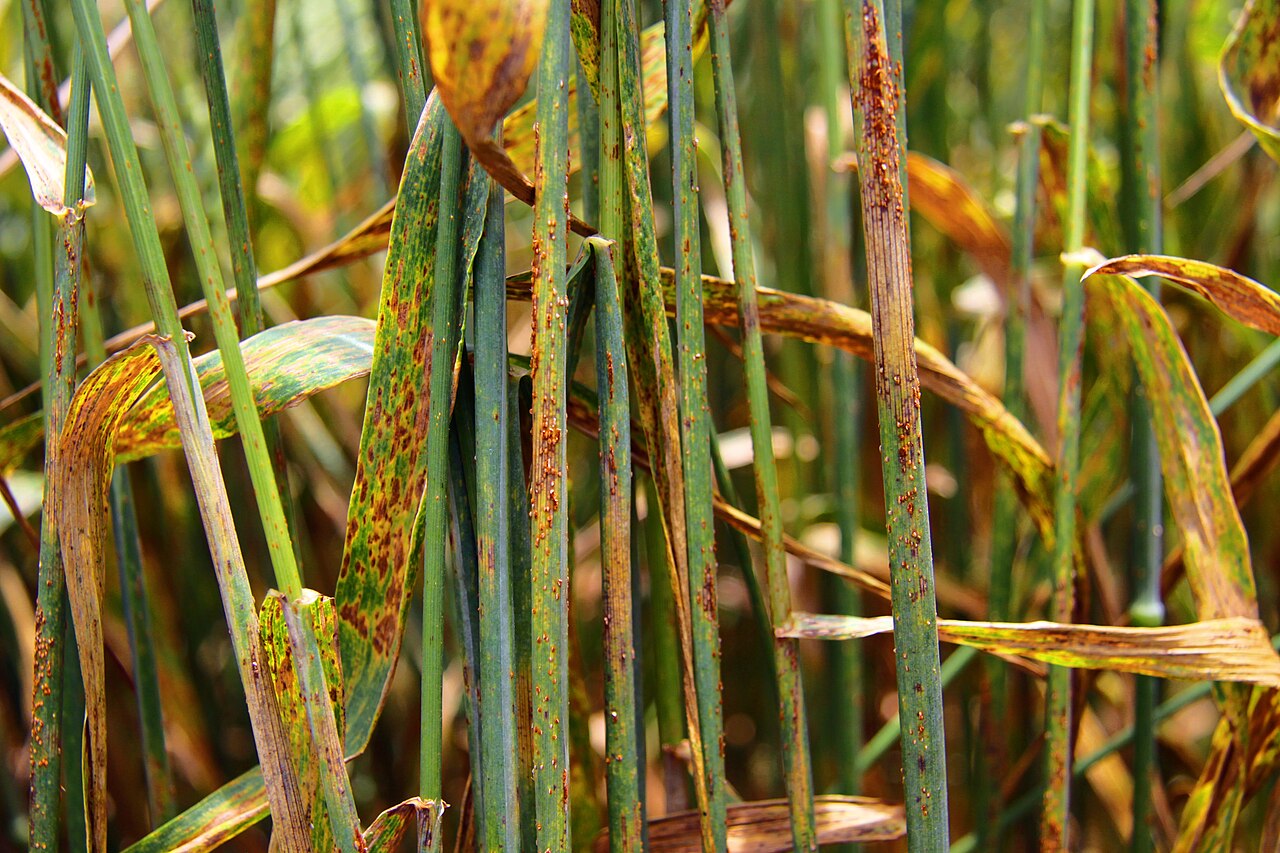
The International Maize and Wheat Improvement Center (CIMMYT) brought together 22 specialists from Bangladesh, Bolivia, Brazil, China, Colombia, El Salvador, Guatemala, Kenya, Mexico, Pakistan and Uruguay at its headquarters in El Batan, Mexico, from 3 to 14 August for a workshop on the surveillance, identification and management of maize and wheat diseases, the centre reports.
The course covered field monitoring, integrated disease management, seed health and resistance breeding, with a focus on Fusarium head blight, wheat blast and wheat rusts, as well as tar spot and maize lethal necrosis. Participants practised DNA isolation, molecular marker diagnostics, mycotoxin measurement and disease screening in laboratories, greenhouses and field trials at the Agua Fria and Toluca stations, and saw multispectral drone surveillance for spotting crop anomalies at the national phytosanitary reference centre of Mexico's SENASICA.
The training is part of the Global Surveillance and Advisory System (GSAS), which builds on more than two decades of wheat and maize disease surveillance led by CIMMYT, Cornell University and partners, combining near-real-time field monitoring, diagnostics, predictive modelling and advisory systems linked to breeding and seed systems. An earlier initiative, the Disease Early Warning and Advisory System, trained more than 500 national partners from 25 countries.
The network links national plant health institutions with partners including the USDA-ARS Cereal Disease Lab, the University of Minnesota, NASA Harvest, Aarhus University, the Global Rust Reference Centre, the University of Cambridge, the UK Met Office, the John Innes Centre and The Sainsbury Laboratory. CIMMYT says earlier, better-informed responses matter because diseases of staple crops can disrupt production and food supply.
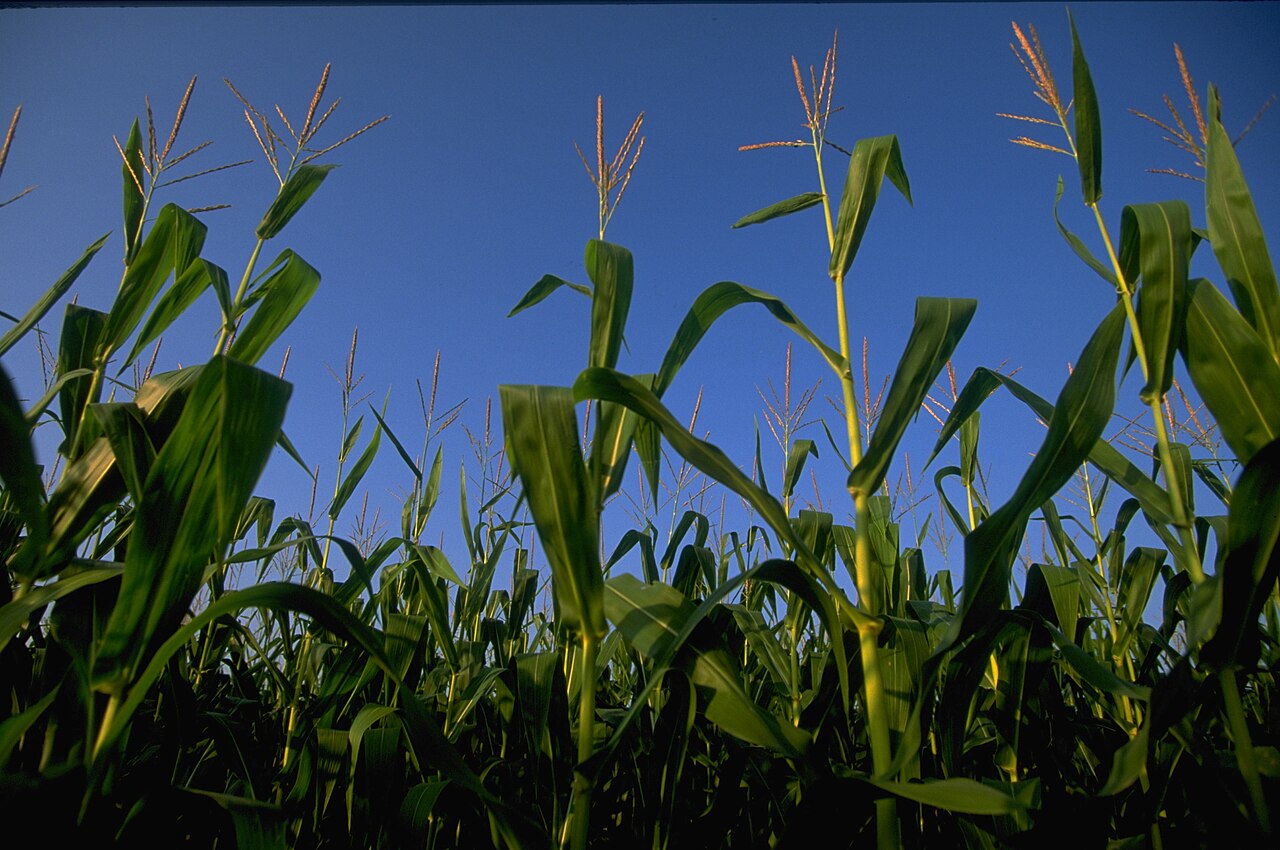
Photo: IAEA Imagebank / Wikimedia Commons (CC BY-SA 2.0)
Source: CIMMYT
Comments
(0)