
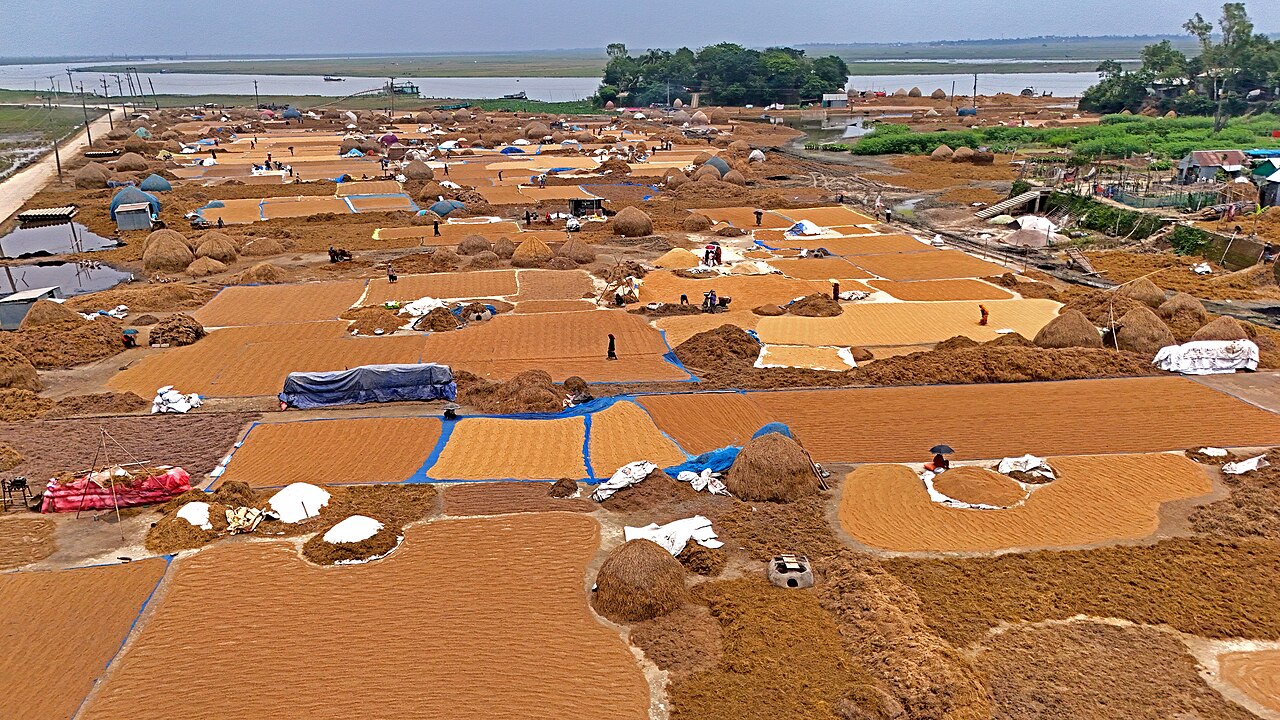
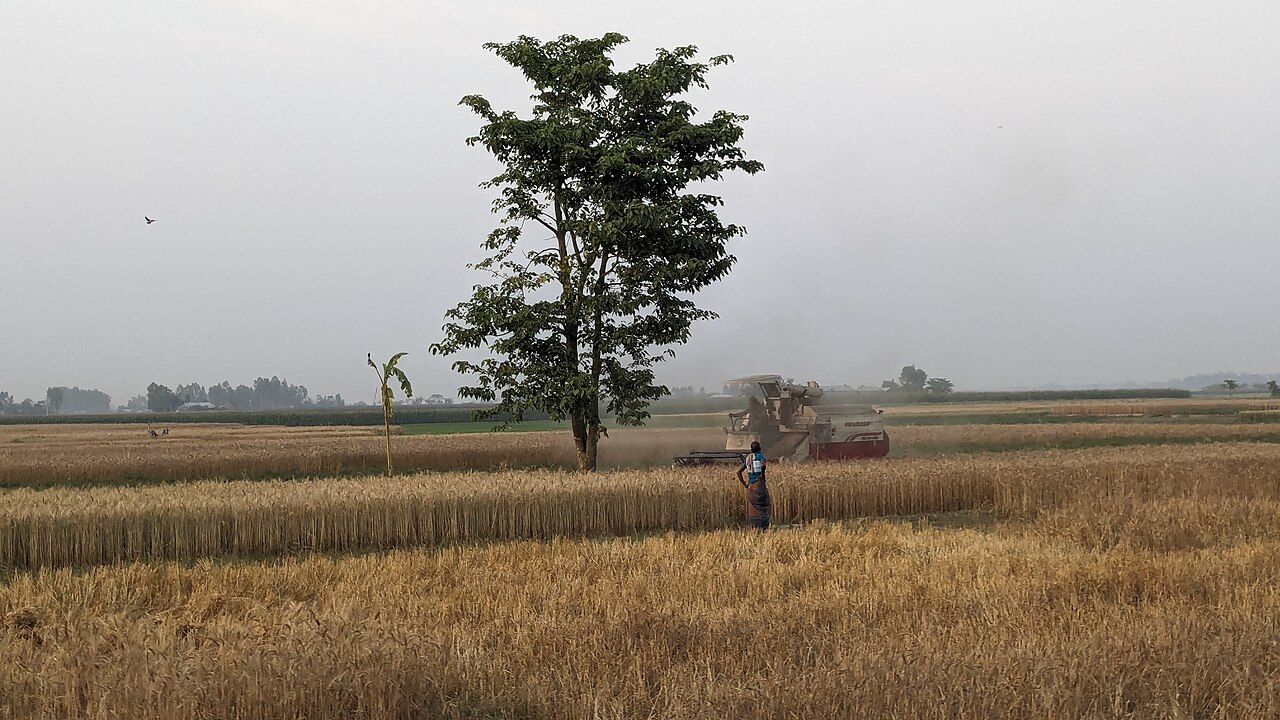
Harvesting of Aman rice is in full swing on the slopes, flat land and valleys of Khagrachhari. According to the agriculture department, Aman was planted on 29,420 hectares in the district this season and about 30 percent has been cut; 80 to 90 percent could be harvested within ten days.
Md. Nasiruddin Chowdhury, deputy director of the Department of Agricultural Extension in Khagrachhari, said yields in the field are satisfactory and the department expects to meet its production target of 85,716 tonnes. Although many areas look better than last year, it expects total district output to be about the same.
Heavy rain and flooding early in the season damaged some land in Khagrachhari Sadar, Dighinala and Mahalchhari. Favourable weather and timely rain later brought a good crop. Even so, farmers say higher prices for fertiliser, pesticide and other inputs, and higher wages, mean a good yield does not bring the same relief to everyone.
Farmers complain that while input prices rise, a fair price for paddy is not assured, and advice from the agriculture office is not always available. Training, modern methods, regular field advice and more government support could raise both output and quality, they say. Day labourers have plenty of work during the harvest, but many, like Chabai Marma, wonder how much income will be left once the season ends.
For many hill families, a year's food and expenses and the next planting depend on this Aman crop. The report points to the need for more government paddy procurement, a fair price, affordable inputs and stronger field support for farmers.
This report draws on reporting by Khokon Bikash Tripura Jack, Protidiner Bangladesh's Khagrachhari correspondent.
Photo: Momo Mustafa / Wikimedia Commons (CC BY-SA 4.0)
Source: Protidiner Bangladesh

Comments
(0)