
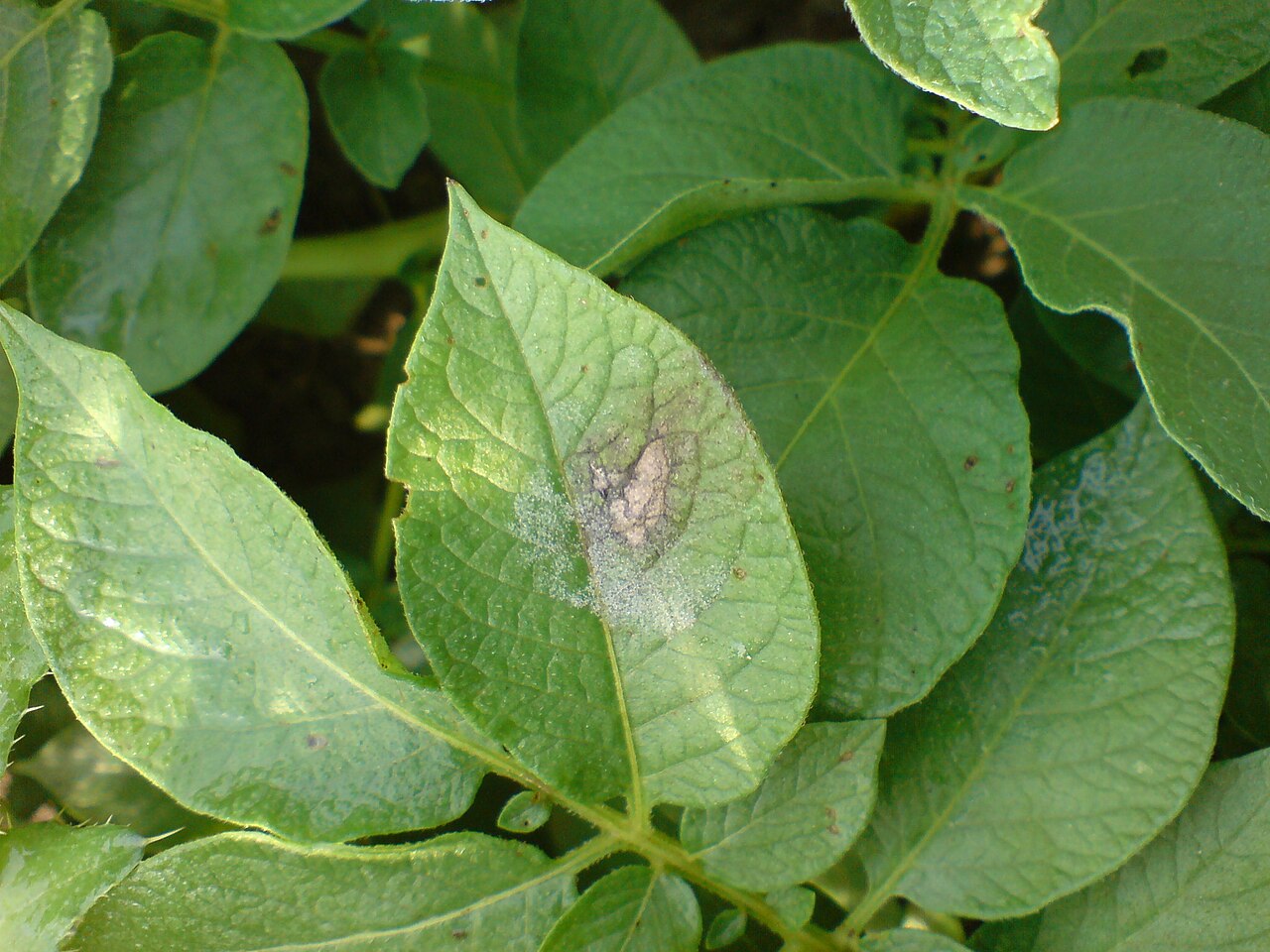
Scientists in the Biosciences Department at Durham University have outlined possible new ways to protect crops from disease by targeting weaknesses shared by the proteins that pathogens use to attack plants, in a review published in The Plant Journal.
Disease-causing microbes, including fungi and oomycetes, use proteins called effectors to weaken plants' natural defences. The review focuses on groups of effectors that share the same three-dimensional shape despite very different genetic make-ups, known as SUSS (Sequence-Unrelated but Structurally Similar) effector families, which challenge the idea that similar-looking proteins always do the same job.
Recent studies have found common features on the surfaces of these effectors that seem important for infection. The authors ask whether emerging AI-based bioengineering could target those weak points, so that instead of breeding resistance against one pathogen protein at a time, scientists could target whole groups of related proteins.
That could give broader and longer-lasting protection, because pathogens may find it hard to change shared features without hurting their own ability to survive. The review also points to AI and protein design tools that could create molecules to block the vulnerable areas of pathogen proteins, or improve plants' ability to recognise and fight infection.
The researchers say the approach could eventually reduce crop losses, improve food security and cut reliance on chemical treatments, but that further work is needed to test whether the ideas can become practical tools for farmers. The paper, by Gregory Knight and colleagues, is titled "How to frustrate a plant pathogen". AgroPages carried the university's release.
Photo: Björn Andersson (SLU) / Wikimedia Commons (CC BY-SA 4.0)
Source: AgroPages



Comments
(0)