

Scientists at Rothamsted Research have identified resistance to a major group of fungicides in the oilseed rape pathogen Plenodomus biglobosus, the first time it has been found anywhere in the world, raising concern that phoma stem canker, one of the crop's most important diseases, could become harder to control.
Phoma stem canker can cause substantial yield losses and is caused by two related fungi, Plenodomus lingam and P. biglobosus. The second has had less attention but has become increasingly important in UK and European crops.
In a study published in Pest Management Science, the team screened P. biglobosus collected in the UK and Poland and found that 95 percent of UK isolates were resistant to the SDHI (succinate dehydrogenase inhibitor) fungicides boscalid and fluxapyroxad, against 6 percent of Polish isolates. In laboratory tests some UK isolates showed up to a 500-fold drop in how well the fungicides worked.
The resistance was linked to mutations in the genes for the fungal succinate dehydrogenase enzyme, which SDHI fungicides target. The researchers found little evidence that the mutations reduce the pathogen's fitness, which suggests resistant strains may persist in the field.
"The scale of resistance we detected in UK populations was striking," said Dr Kevin King, who led the research, adding that more work is needed to see what it means for disease control in the field. The findings follow recent Rothamsted reports of reduced sensitivity to azole fungicides in European populations of both phoma pathogens.
Co-author Professor Jon West said SDHI-resistant P. lingam had recently been detected in Australia but not yet in Europe, and that monitoring both pathogens would give early warning of new resistance and help protect the long-term effectiveness of fungicides. AgroPages carried Rothamsted's release.
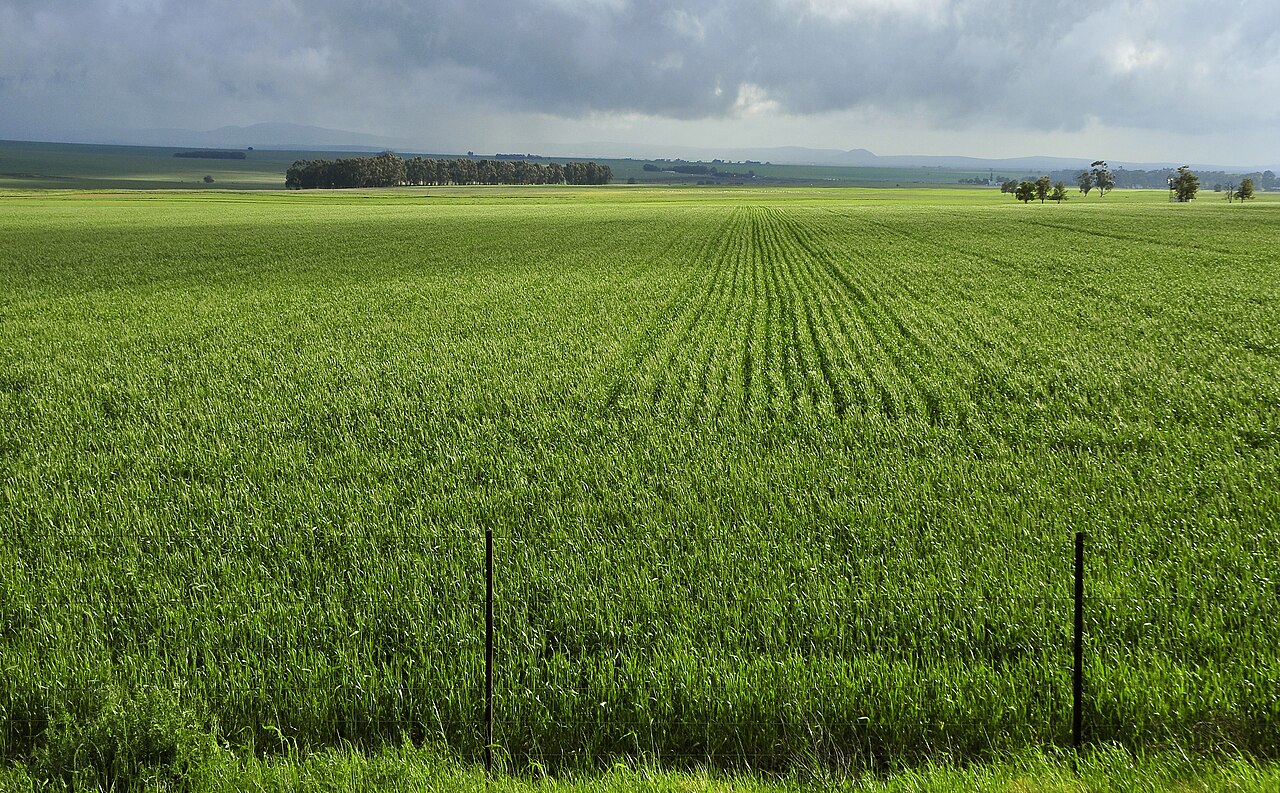
Photo: Oast House Archive / Wikimedia Commons (CC BY-SA 2.0)
Source: AgroPages


Comments
(0)