
Environment
Khelaghar Plants Trees at Dr Shahidullah School and College in Mirpur
Kendriya Khelaghar Asar planted fruit, medicinal and timber trees with students at a school and college in Pallabi, Mirpur.
Kendriya Khelaghar Asar planted fruit, medicinal and timber trees with students at a school and college in Pallabi, Mirpur.
The Bangladesh Animal Welfare Association and the Forest Department's wildlife crime unit rescued six venomous cobras from Gulistan in Dhaka and detained one man.
As the mango season draws to a close, supplies in Dhaka's fruit markets have dwindled and prices of the remaining varieties have risen several-fold in a few weeks.
 Vegetables
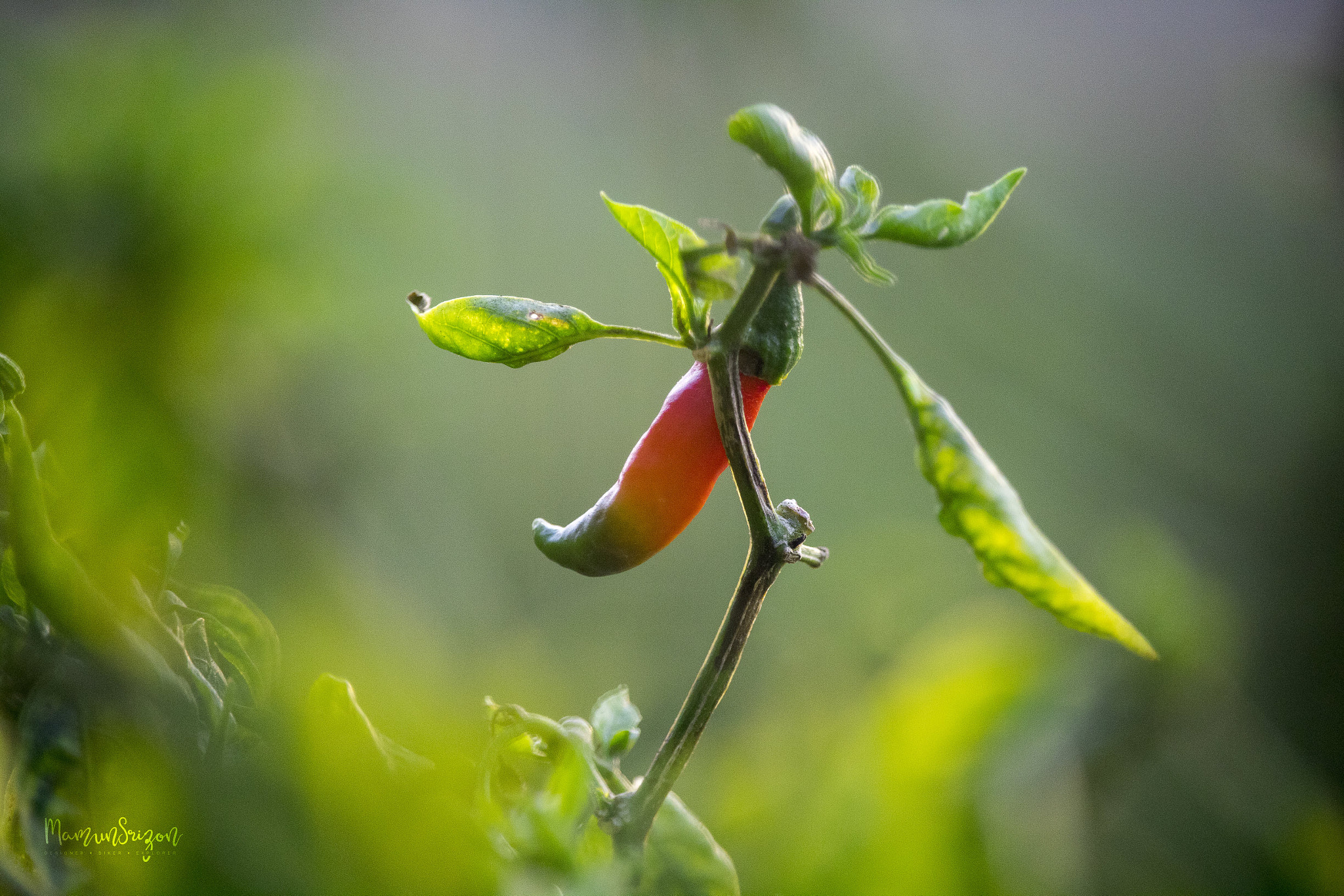
Continuous rain in July 2026 pushed green chillies above Tk 200 a kg in Dhaka's retail markets, and to Tk 280 in some; traders said waterlogged fields had cut supply.
The Border Guard Bangladesh chief opened a week-long tree planting programme at Pilkhana and said 73,000 trees would be planted across the country this year.
Three male blue peacocks fanned their tails together at the National Zoo in Mirpur on 26 June, drawing crowds of visitors.
Dhaka South City Corporation administrator Md Abdus Salam has declared a second war against climate change, with a plan to plant three lakh trees in the city corporation area over five years.
Trees planted by Dhaka North City Corporation now shade roads, footpaths and canal banks, while Dhaka South has done little greening and has cut down many trees.
A homeless man who lives by collecting plastic bottles is growing rice in a corner of Suhrawardy Udyan in the heart of Dhaka.
A makeshift market selling trimmed Qurbani meat on Dhaka's Rampura bridge became a lifeline on Eid day for low-income people who could not afford beef.
Lychee sellers at Dhaka's Sayedabad bus stand did brisk trade with people heading home for Eid, with 100 lychees selling for Tk 250 to Tk 600.
Malihabad, a small town near Lucknow famed for the Dasheri mango, is affectionately known as the world's mango capital.
Most cows at Dhaka's sacrificial animal markets are priced 20 to 30 percent higher than last year, straining limited-income buyers, while traders blame transport and fodder costs.