
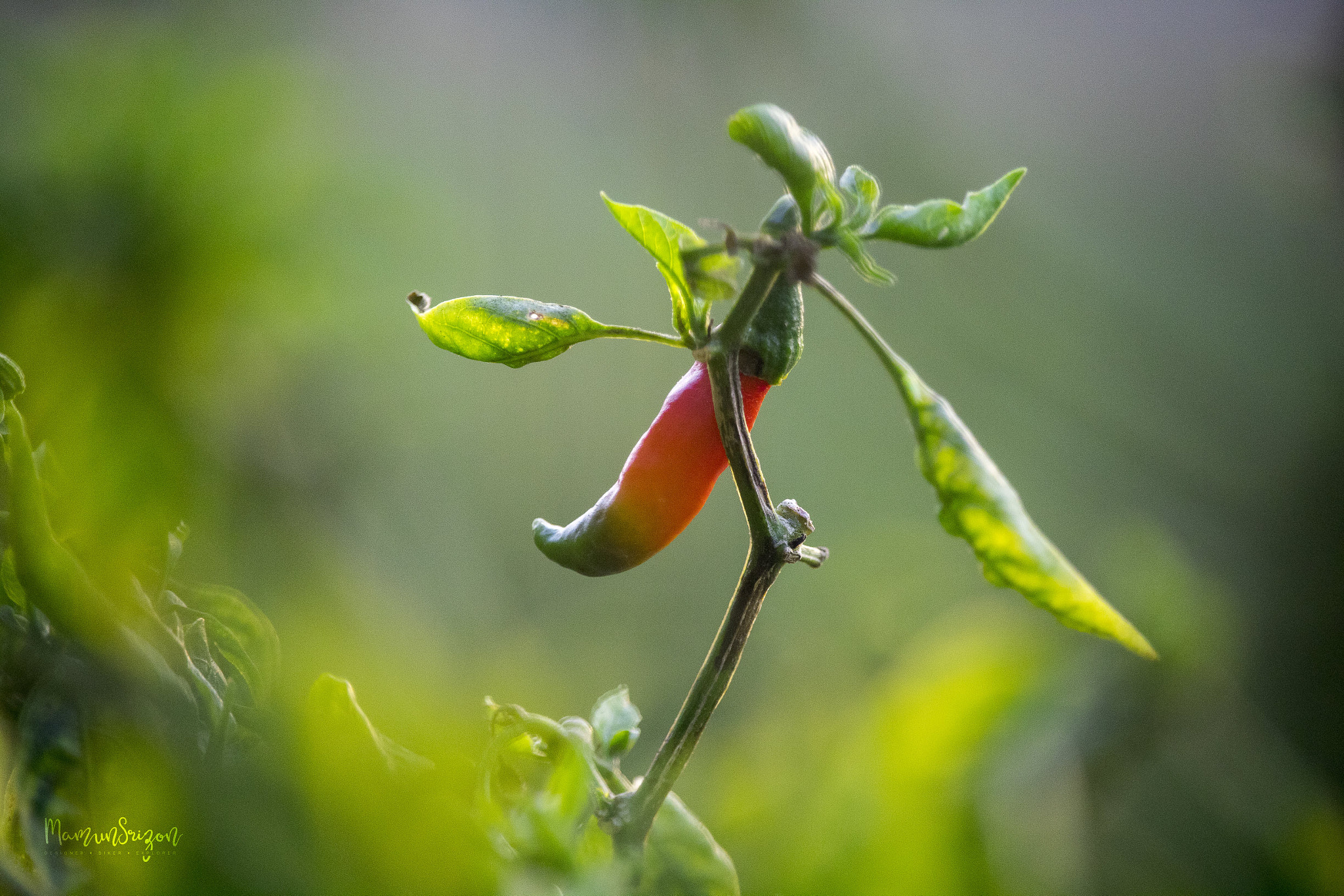
Repeated spells of rain pushed green chilli prices up and down in Dhaka's markets in July 2026. According to a Jagonews24 report of 21 July, the price rose whenever the weather turned bad that month: after several days of continuous rain a kilogram reached Tk 200, and it eased again when the rain let up. Prices of almost all vegetables and of farm eggs climbed at the same time.
Two price rises in a week
Jagonews24 reported that after continuous rain green chillies reached Tk 200 a kg on Friday, 17 July. When the weather improved somewhat the price fell to Tk 120, but it rose again with fresh rain, and some small markets in the capital were selling green chillies for as much as Tk 280 a kg.
Prothom Alo described the same pattern. On 16 July it reported that green chillies which had cost Tk 120 a kg a few days earlier were selling at Tk 160-180 for ordinary quality and Tk 200 for good quality. On 21 July it found them at Tk 200-220 a kg in Mohammadpur Krishi Market and Tk 250-280 at Town Hall market.
What wholesalers and retailers at Karwan Bazar said
Karwan Bazar, in Dhaka's Tejgaon area, is one of the capital's biggest commodity markets. Bachhed Mollah, a long-time green chilli wholesaler at its arats, sold green chillies at Tk 150-160 a kg on the afternoon of Tuesday, 21 July. The same day Prothom Alo found good-quality chillies at Tk 200 a kg in Karwan Bazar and ordinary ones at around Tk 160.
"It has been raining in the villages for two days, so the market is bad," Bachhed Mollah told Jagonews24. "Prices rose once last Wednesday and Thursday, then eased a little, and are now rising again." He explained: "Green chilli is highly perishable. If rainwater stands in the field for a few days, the chillies rot. That cuts supply to the market, and the price goes up."

According to Jagonews24, green chillies were no longer available below Tk 200 a kg in Dhaka's retail markets. At Segunbagicha market, 250 grams sold for Tk 60-70. Muazzim, a trader there, said that just two days earlier he had sold a poa (250 grams) for Tk 40. In his account, prices had already risen once about a week before, when continuous rain and floods cut vegetable supplies; they came down a little afterwards and then rose again with more rain.
A chilli's heat comes from a compound called capsaicin; the Bengali market phrase that rain makes chillies "hotter" is a way of saying they cost more. The traders' explanation was about supply: flooded fields, rotting chillies and less produce reaching the market.
Vegetables and eggs dearer too
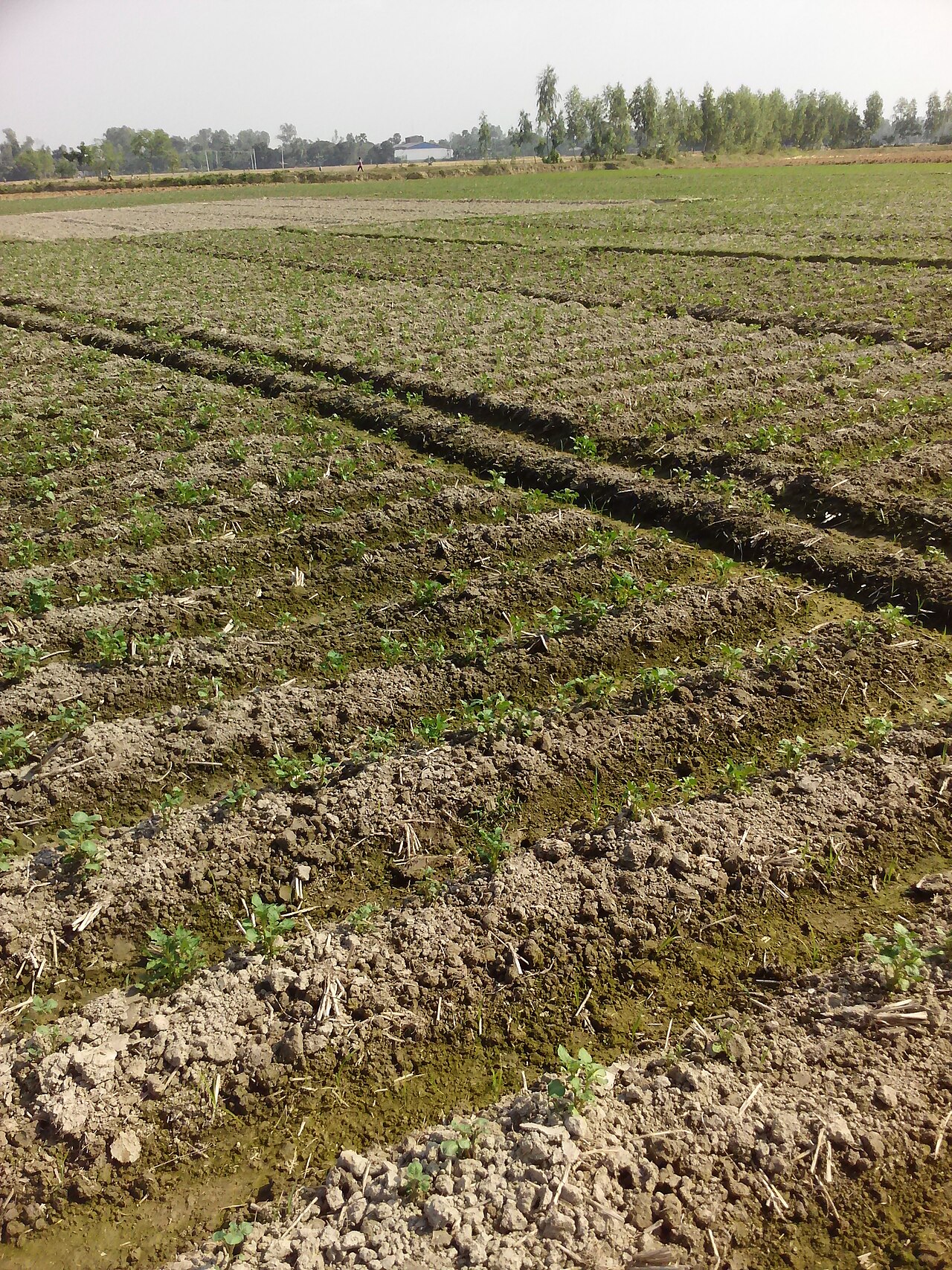
Rain and floods had waterlogged vegetable fields in different parts of the country and destroyed many crops, so supplies had not returned to normal. A vegetable seller at Hajj Camp market told Prothom Alo that most of the market's vegetables came from Narsingdi, where continuous rain had flooded the fields. Meanwhile the Bangladesh Meteorological Department, the national weather service, had forecast another five days of continuous rain across the country.
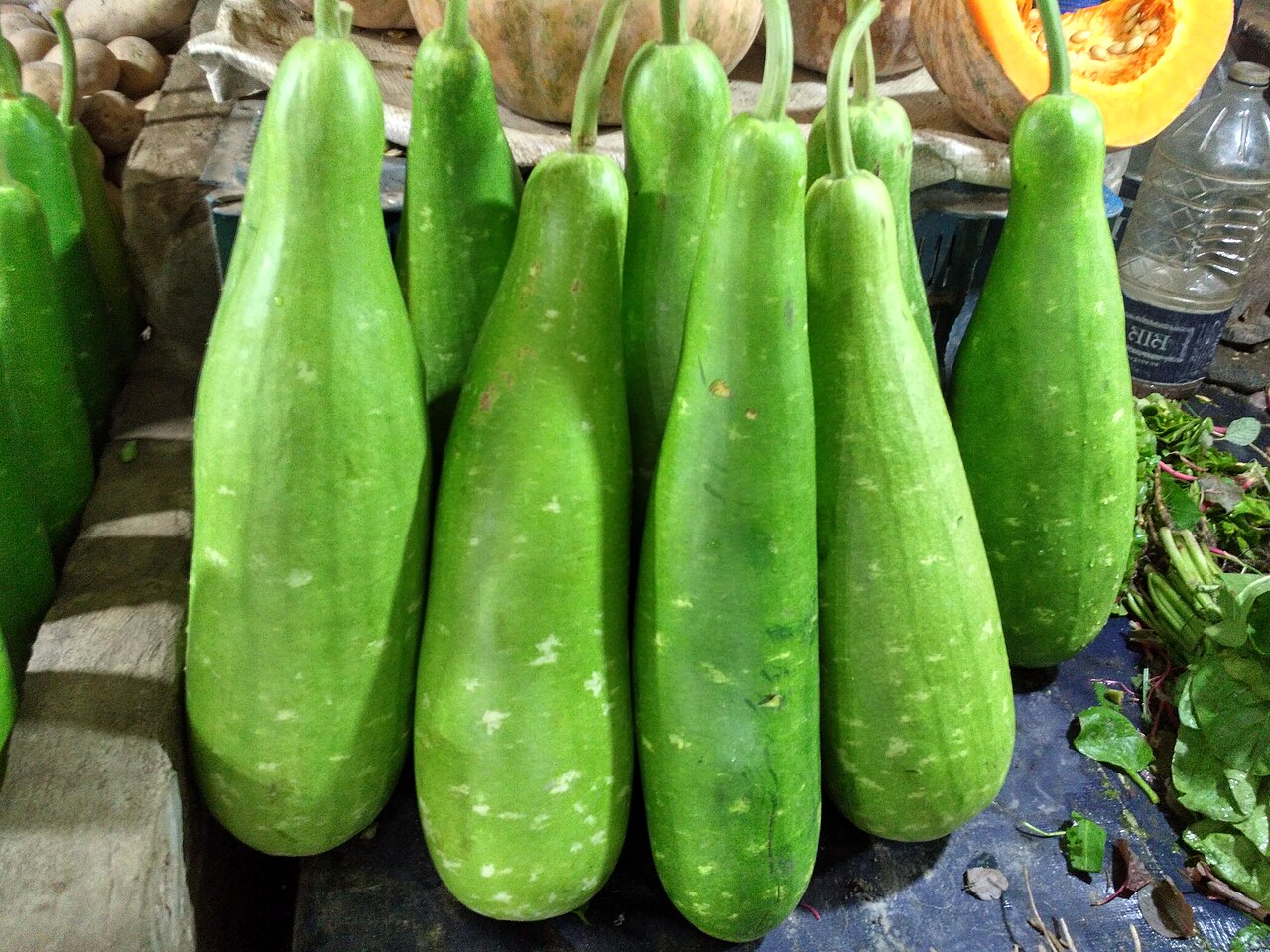
Jagonews24's market visits found that vegetable prices had risen by Tk 20-40 a kg over a few days. Brinjal, which had sold at Tk 70-80 a kg at retail, was selling at Tk 100-120 depending on quality and type. Ridge gourd, snake gourd and sponge gourd went from Tk 50-60 to Tk 70-80 a kg, bitter gourd from Tk 60-70 to Tk 90-100, and yard-long beans from Tk 70-80 to Tk 100. Among the cheaper vegetables, papaya, okra and pointed gourd sold at Tk 50-60 a kg.
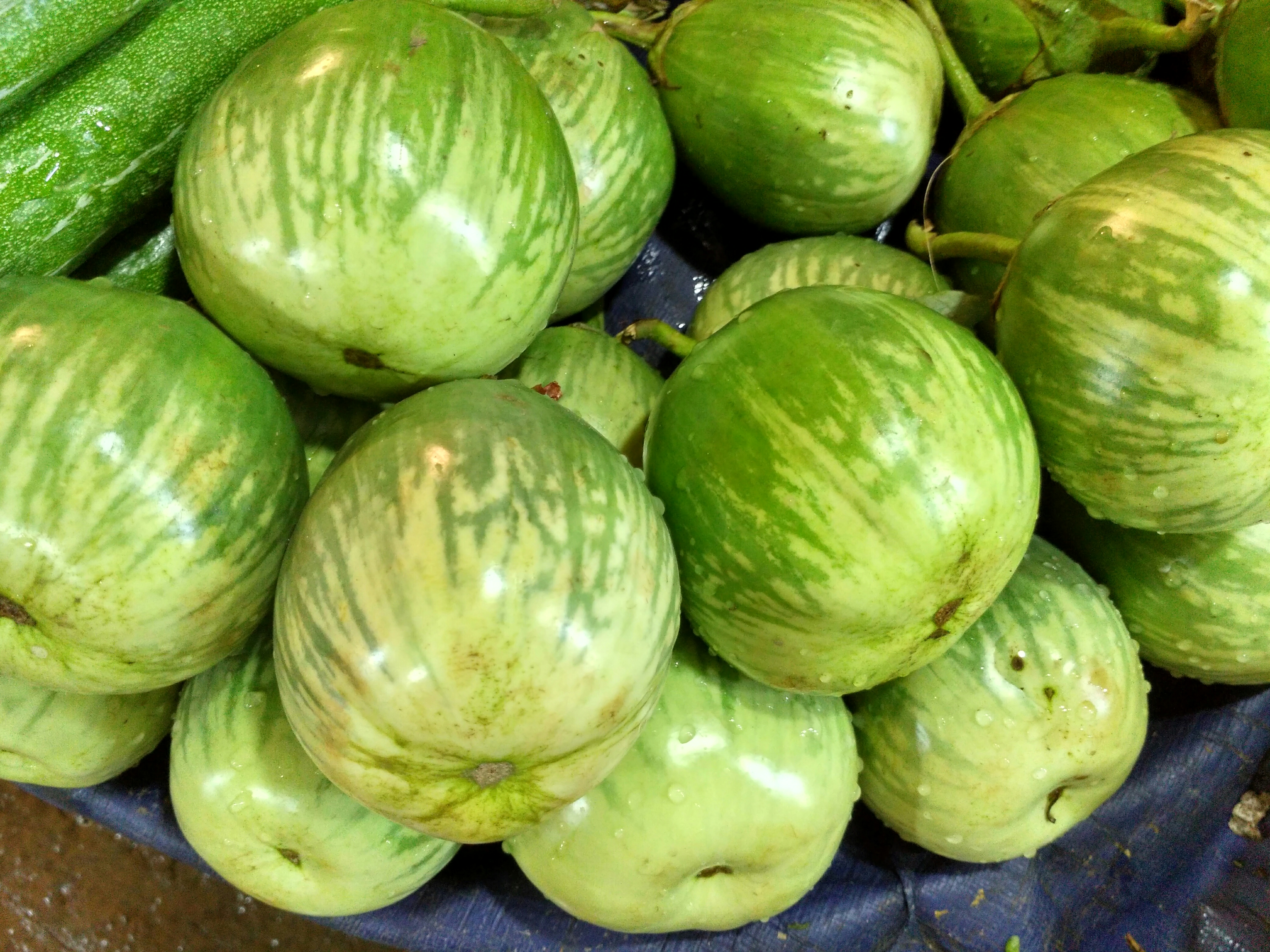
Farm eggs, whose price had been stable for some time, also became dearer: a dozen that had sold at Tk 125-130 was selling at Tk 140. Buyers and sellers told Jagonews24 that when vegetables are expensive, consumers rely more on eggs, which raises both demand and the price.

Photo: Mamun Srizon / Wikimedia Commons (CC0)
Sources: Jagonews24, Prothom Alo, Wikipedia (Karwan Bazar, Bangladesh Meteorological Department, Chili pepper)
Comments
(0)