
Crops
What to Do to Protect Native Fish Species
A former fisheries dean explains how catching fry and draining ponds is wiping out Bangladesh's native fish, and what the government and public can do.
A former fisheries dean explains how catching fry and draining ponds is wiping out Bangladesh's native fish, and what the government and public can do.
 Fruits
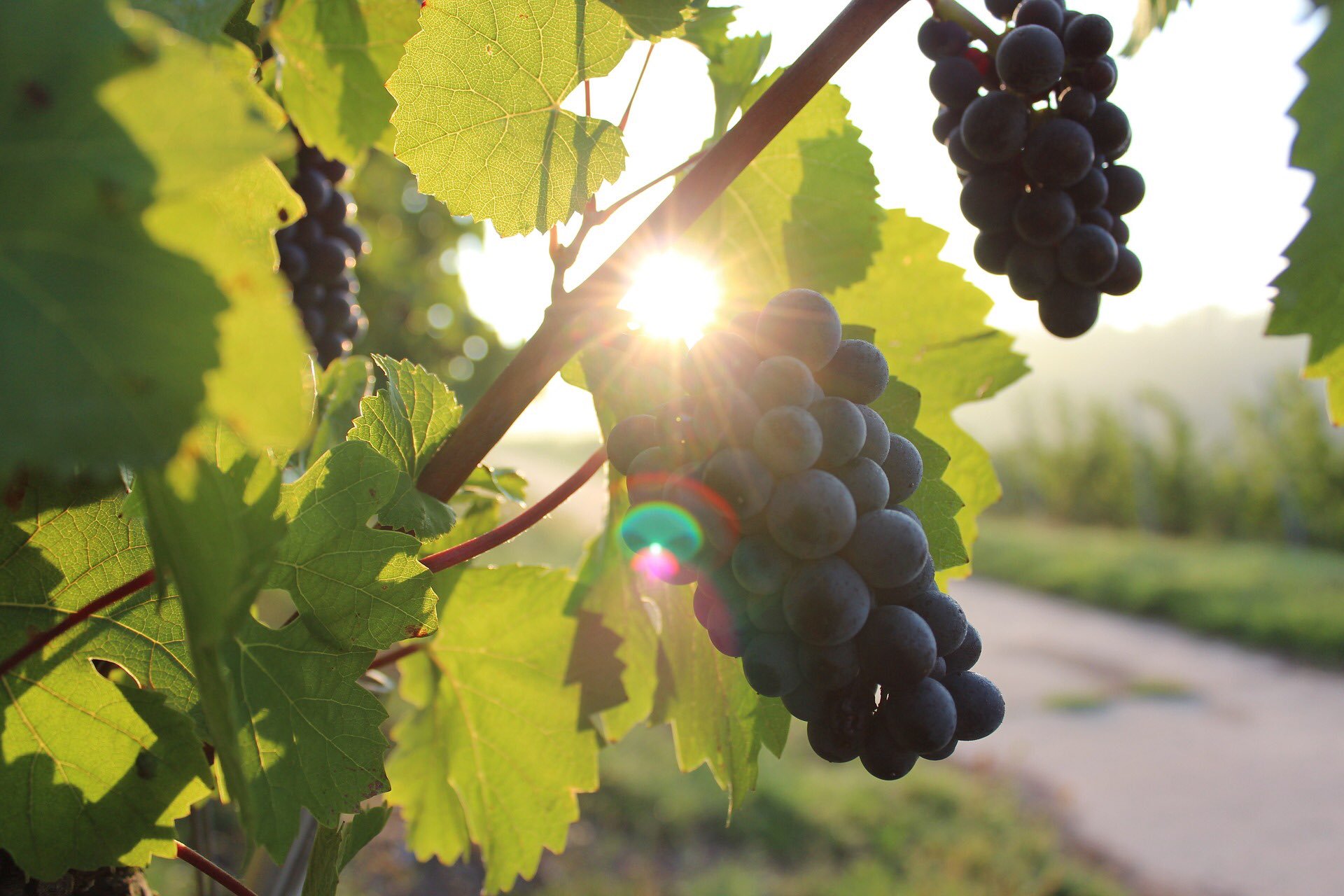
In Meghadal, a hill village of Sherpur's Sreebardi upazila, entrepreneur Mizanur Rahman was growing about 50 foreign grape varieties on 150 plants in August 2025, with green grapes sold locally at Tk 250-300 a kg, the grower told reporters.
Young Sherpur entrepreneur Shimul Mia grew chia seed for the first time after watching YouTube, spending about Tk 5,000 and hoping to earn a lakh taka.
With half of Shraban gone, now (July-August) is the right time to cut jute, and these are the key steps for harvesting and processing it.
Pigeons are the most popular domestic birds, easy to tame and cheap to keep, and rearing them can bring quick profit.
The chai, a bamboo fish trap, remains a companion of rural life in the monsoon and a source of income for women in Narayanganj.
The monsoon is a gift for fish farming, and planned, scientific management can turn rainwater into real profit.
A Bangladesh Agricultural University professor explains the symptoms, spread and prevention of foot-and-mouth disease in cattle.
A former garment worker in Bhola now runs five broiler farms that sell Tk 8-9 lakh worth of chickens a month.
Urea gives crops a quick boost, but excessive and uncontrolled use harms soil, water, air and biodiversity.
Planned pangas farming in Bangladesh's ponds and water bodies could sharply raise fish output and create jobs for young people and women.
A cashew and coffee project is drawing hill farmers away from jhum cultivation, while processors and big corporate groups move into the trade.
A lack of rain has left Dinajpur's jute growers with nowhere to ret their crop, forcing many to leave jute in the fields or pay for pumped water.