
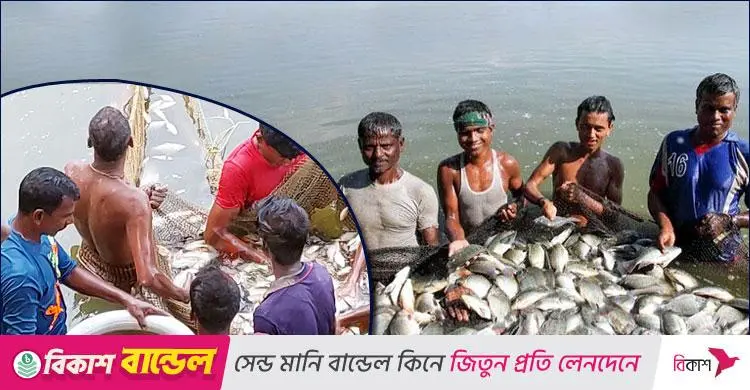
In the monsoon our rivers, canals, beels, ponds and ditches fill with water. Natural breeding and growth of fish become easier at this time, so the monsoon can be called nature's gift to fish farming. To use this potential, however, fish must be farmed in a planned and scientific way. With the right preparation and care, significant profit is possible from monsoon fish farming.
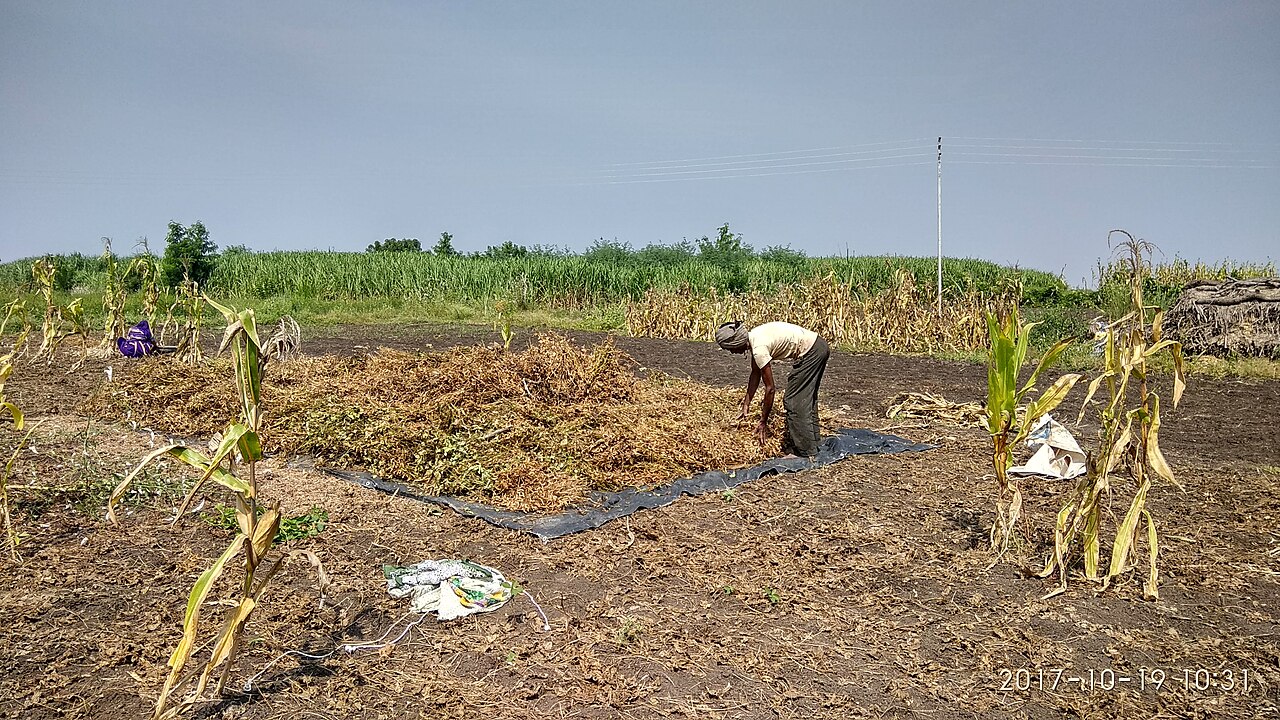
During the monsoon, beels, streams and floodplains in different parts of the country go under water. Crop production stops for a while and the land lies unused. Such wetlands or ponds can easily be renovated for fish farming. But this land or these ponds are usually shared among many farmers, so starting farming together through community initiatives both increases the scope for farming and builds collective development and awareness. Local people benefit directly and financially from such initiatives.
Preparing the pond
Pond preparation is an important step. After clearing predatory fish, weeds and rubbish, lime and organic fertiliser are applied at set rates to generate natural food in the water. Healthy, strong fingerlings of 8-12 cm are then released following set methods. In the monsoon, heavy rain and standing water change water quality quickly, so the pH, temperature, dissolved oxygen, carbon dioxide and ammonia in the water must be checked regularly. Lime and zeolite should be used correctly where needed to keep water quality right.
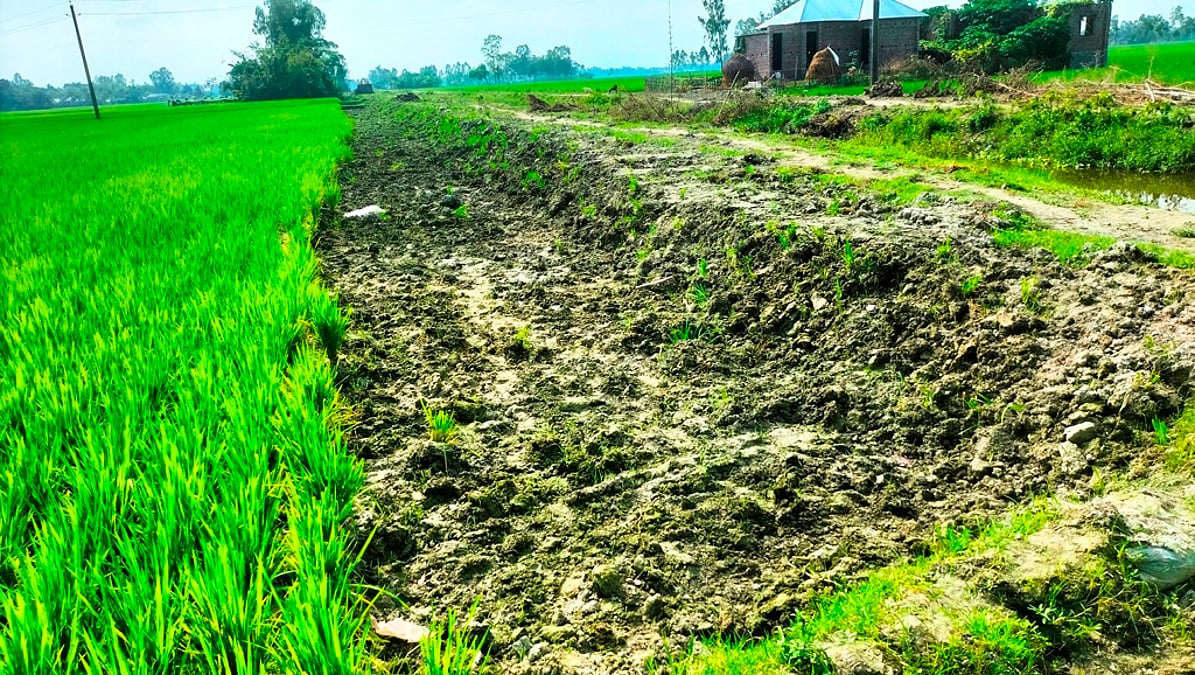
Extra care is needed in the monsoon with feeding, keeping dirty water out and blocking escape routes for fish. The pond dykes must be raised and firmly built so fish are not washed away in heavy rain. Screens on water inlets and outlets must be reliable, and care taken that dirty or polluted water does not enter from outside. Fencing the pond with bamboo or mosquito netting can prevent losses even during floods or heavy rain.
Mixed culture and fingerlings
Mixed culture can be adopted for profitable farming in this season. Fish of different water layers, such as rui, katla, mrigel, tilapia, bighead and silver carp, are farmed together to make the fullest use of the pond. Intensive or semi-intensive methods allow more production in less space, provided the right feed and care are given on time. Creating brushwood shelter for fish in the pond and using quickly attractive feeds such as oil cake or molasses also speeds up growth.
Fingerling supply and nursing also need attention in the monsoon. Since fingerlings weaken during transport, they should be acclimatised or released after gradually equalising the water temperature. Keeping them in a nursery pond for a while and raising them with care before moving them to the grow-out pond greatly increases survival.
Feed, fertiliser and disease
Care is essential when applying fertiliser and feed in the monsoon because of heavy rain. Too much fertiliser or poor-quality feed pollutes the water, causing indigestion, disease or death in fish. Feed should be given in limited amounts at this time, and lime or other materials applied as needed to keep the water clean.
When harvesting at the end of the monsoon, care is needed in transporting live fish, with drums and ice, so their weight and quality are not lost. Disease is less common in the monsoon, but if water quality deteriorates, disease can appear. Medicine should be applied as needed, preferably on expert advice.
Monsoon fish farming is challenging, but it holds huge potential. With planned initiatives, scientific management and timely steps, monsoon water need not be just a problem but can become an example of economic success. Through that success, nutritional deficiencies will be overcome and a self-reliant "fish and rice Bengali" society will be built.
Source: Jagonews24. First published in Bengali on The Agro News.
Comments
(0)