
Fisheries
Floods Damage Crops and Fish Farms in Moulvibazar
Floods in Moulvibazar have damaged crops and fish farms, leaving farmers who borrowed from NGOs in distress.
Floods in Moulvibazar have damaged crops and fish farms, leaving farmers who borrowed from NGOs in distress.
 Crops
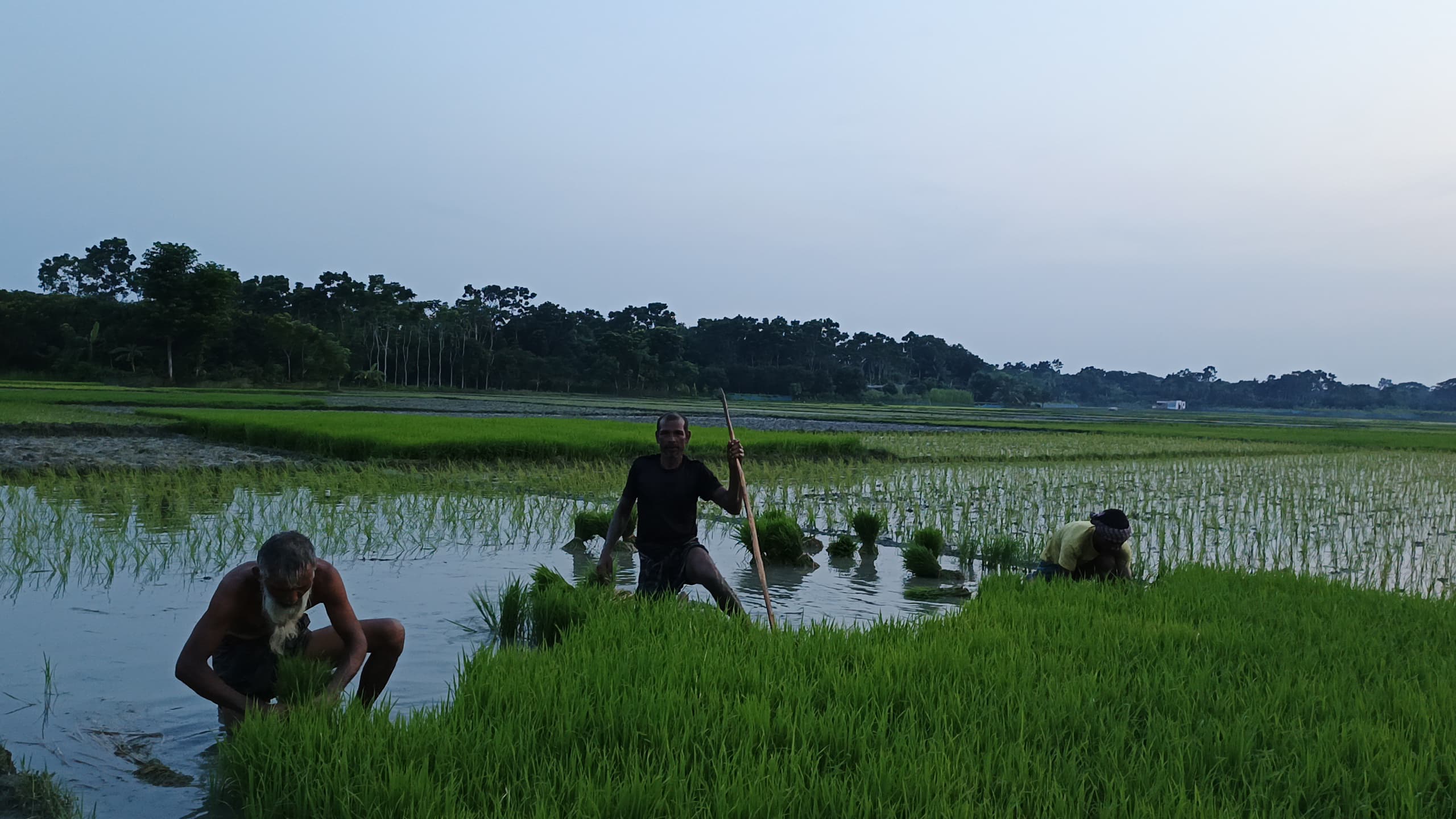
On 14 July 2026 Agriculture, Fisheries and Livestock Minister Mohammed Aminur Rashid said the government would give farmers hit by heavy rain and hill run-off free seed and fertiliser according to need, supply dry feed for livestock and vaccinate animals against foot-and-mouth disease.
 Health
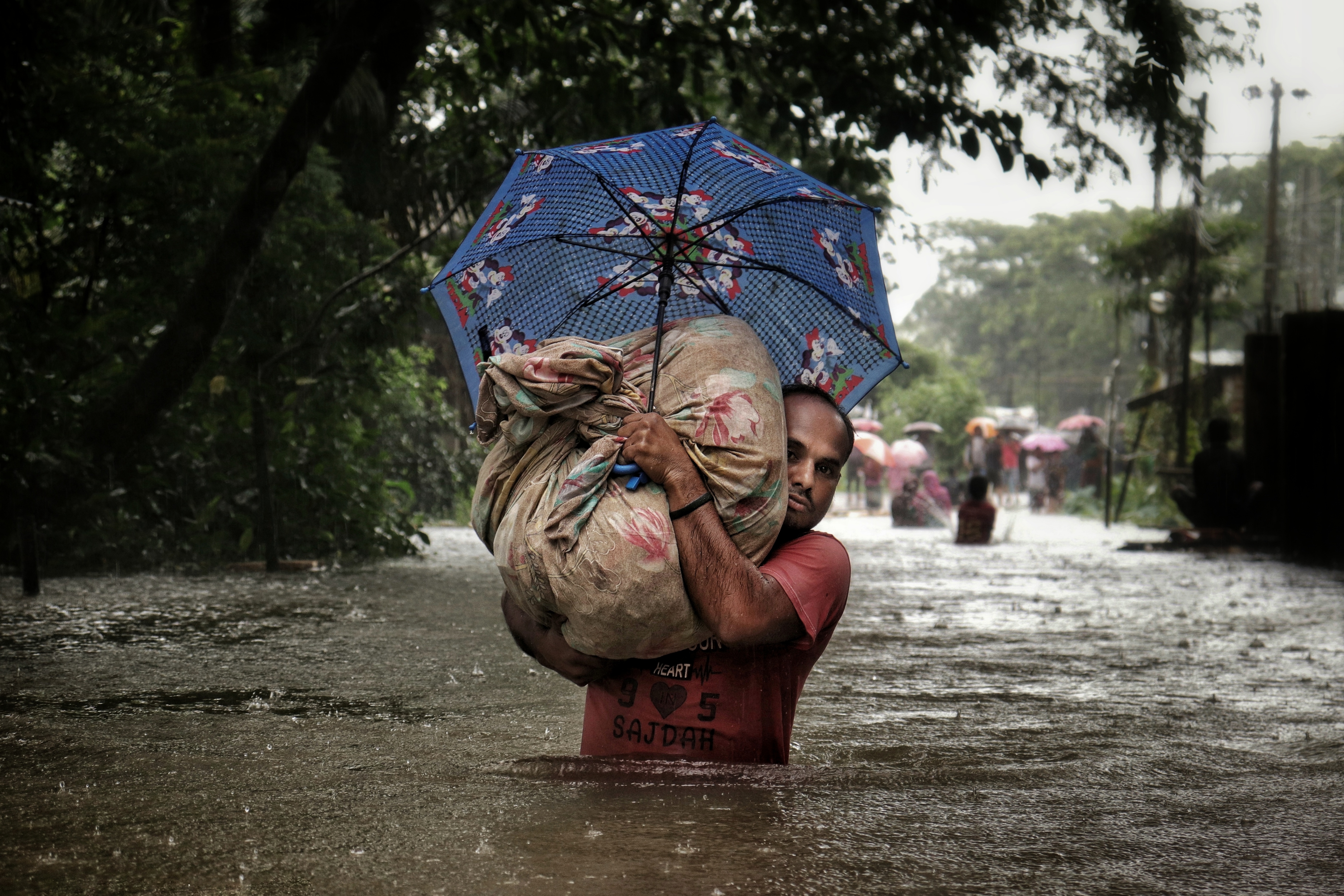
In July 2026 public health expert Dr Mushtaq Hossain told BBC Bangla that in a flood there is water everywhere but none fit to drink, one of the biggest public health problems a flood brings.
As floodwater recedes in Cox's Bazar, the district administration's preliminary report counts 32 dead, nearly half the district inundated and heavy losses to homes, fisheries, crops and roads.
Intern veterinarian Md Likhon Islam sets out what farmers should do before, during and after a flood to keep their animals alive and healthy.
Heavy rain and upstream run-off have pushed the Teesta above the danger level at Dalia point, raising fears of a fourth flood in two months.
A monocled cobra about five and a half feet long and weighing around five kilograms was rescued unharmed from the Jahangirnagar University area on 13 July.
 Agribusiness
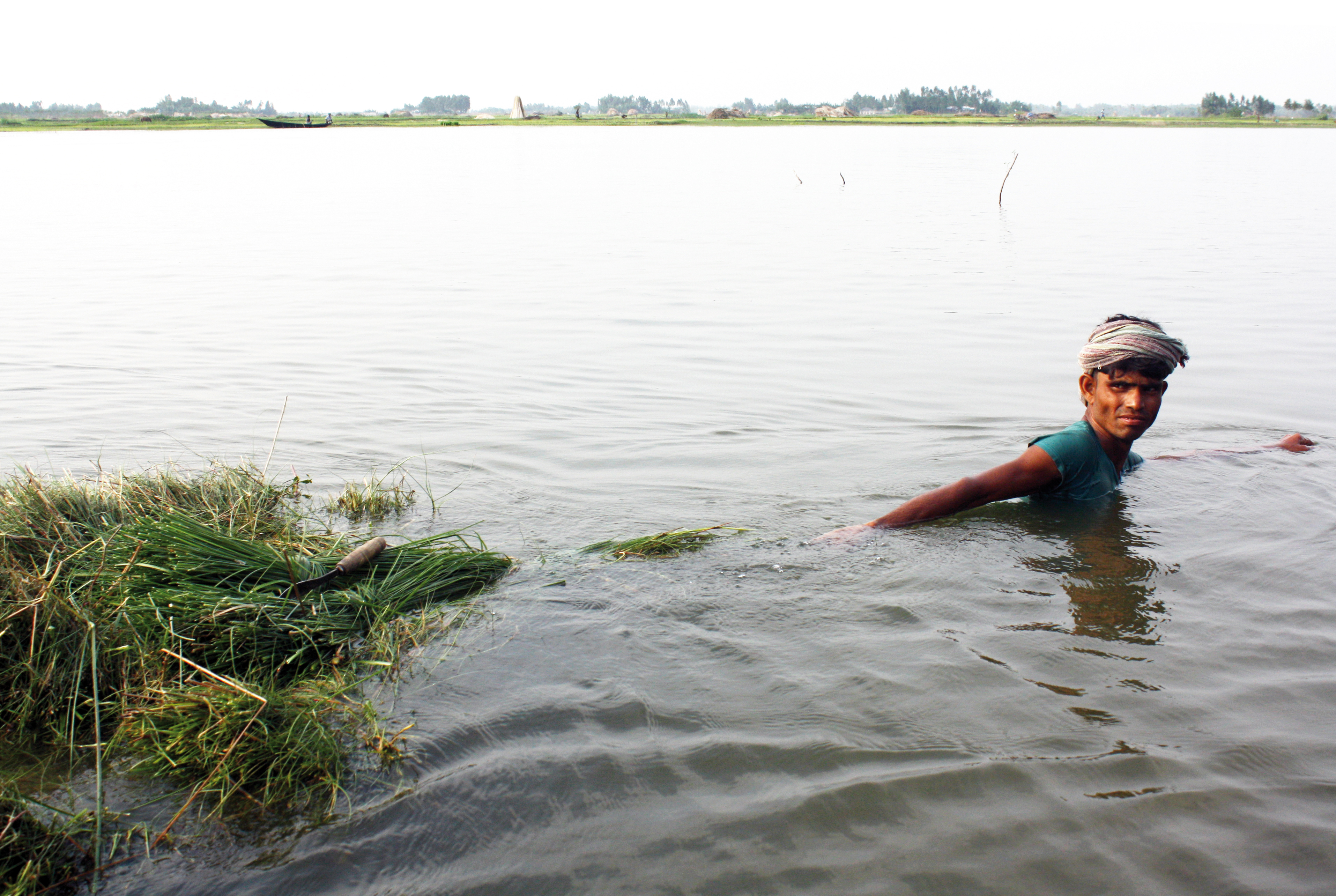
July 2026 floods across about 28 unions of Moulvibazar submerged grazing land and fodder, leaving many cattle sick and their owners unable even to sell them cheaply; the district livestock office was still assessing the losses.
Low-lying riverside areas of nine districts in Bangladesh's north-east and north may see short-term flooding or a worsening flood situation within the next 24 to 48 hours, the Flood Forecasting and Warning Centre said.
Floodwater has begun to recede in Moulvibazar, but mud, fuel shortages and a lack of clean drinking water mean many flood-hit families still cannot light their stoves.
 Environment
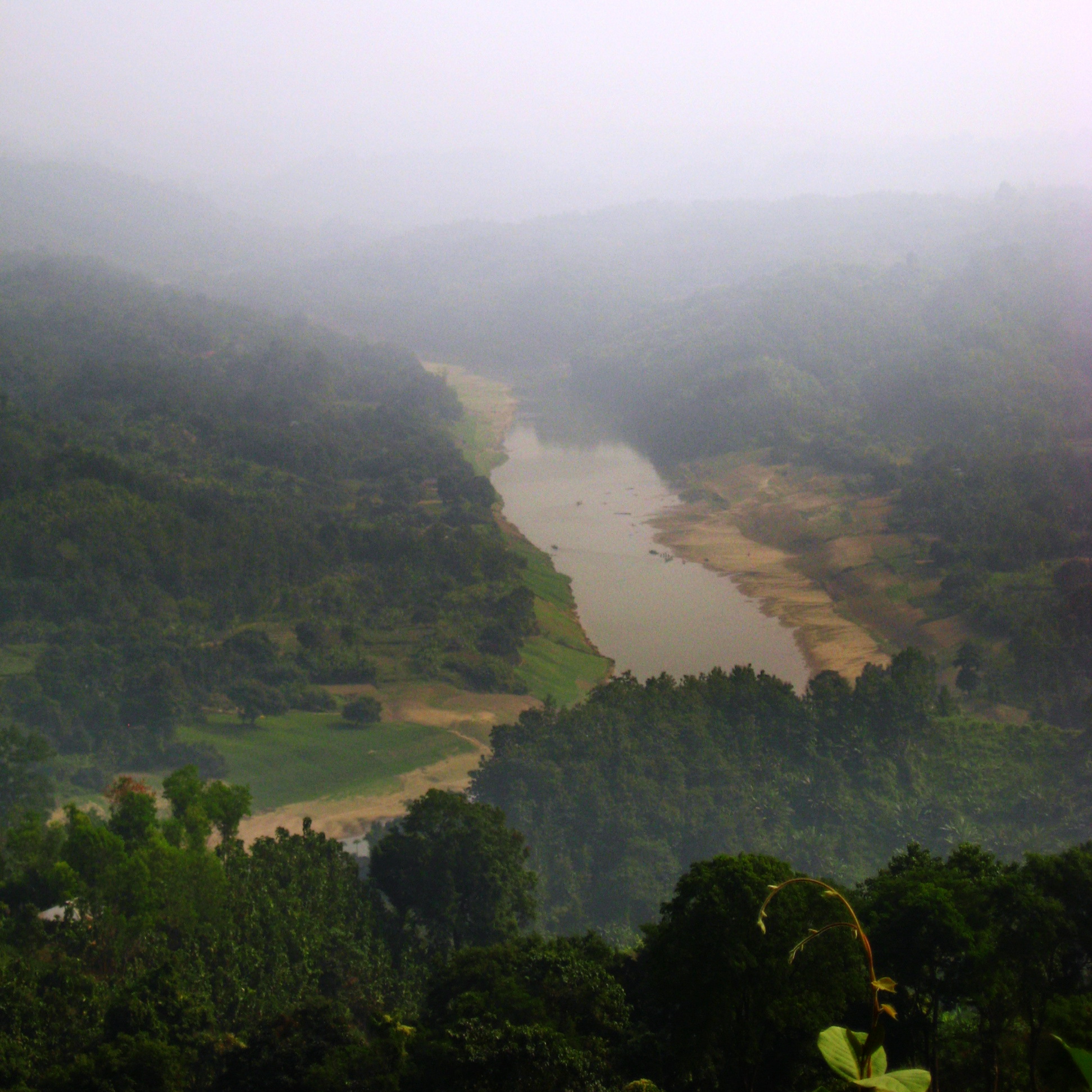
As the July 2026 floodwater began to recede in Bandarban municipality, mud and rotting waste left in roads, drains and homes caused a severe stench and raised fears of waterborne disease.
As flooding from Typhoon Maysak swamped Hengzhou in China's Guangxi province, hundreds of snakes swam into homes and residents scrambled to catch them, while zoo animals escaped and more than 16,000 pigs were swept away.
 Environment
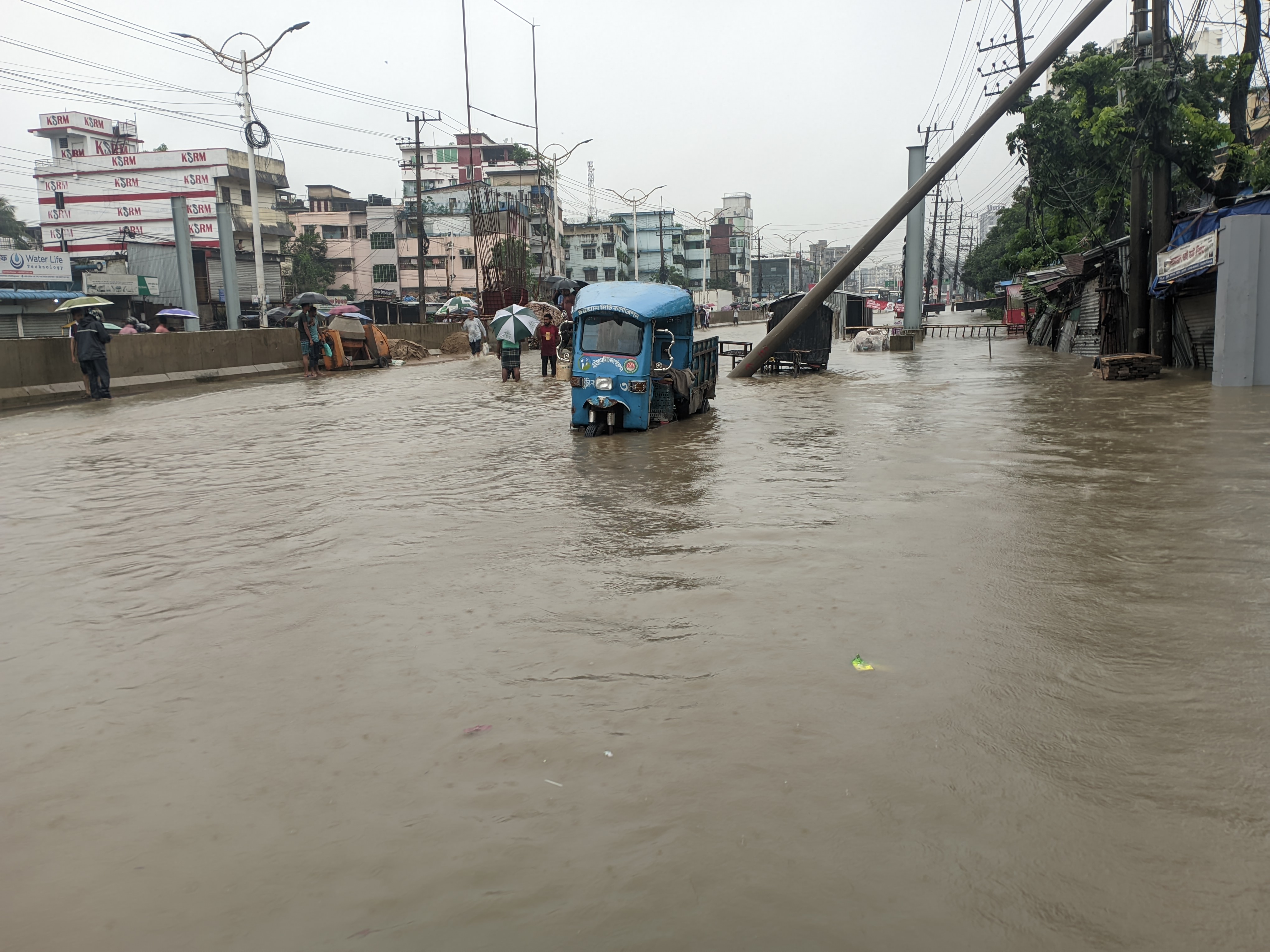
On 12 July 2026 the Chattogram civil surgeon said 75 people had been bitten by snakes during the district's floods, and 20 to 25 had fallen ill with diarrhoea and other waterborne diseases.