
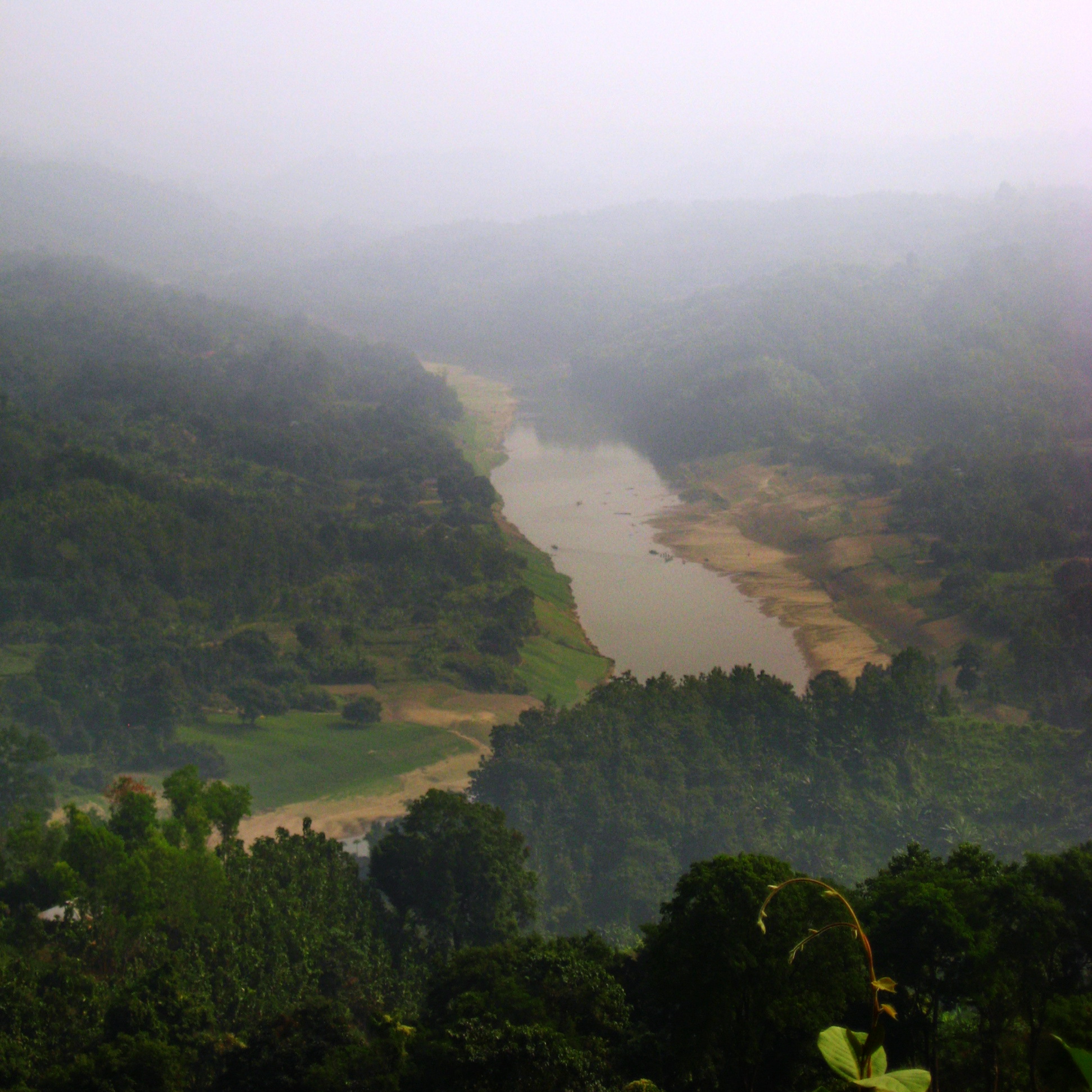
The floodwater that swamped Bandarban for several days in early July 2026 had begun to recede, but the ordeal of the town's residents was not over. On Monday, 13 July, Jagonews24 reported that mud, rubbish and rotting waste piled up across the municipality were giving off a stench that left people in deep distress, and that there were fears of waterborne and infectious disease.
How the Sangu flooded the town
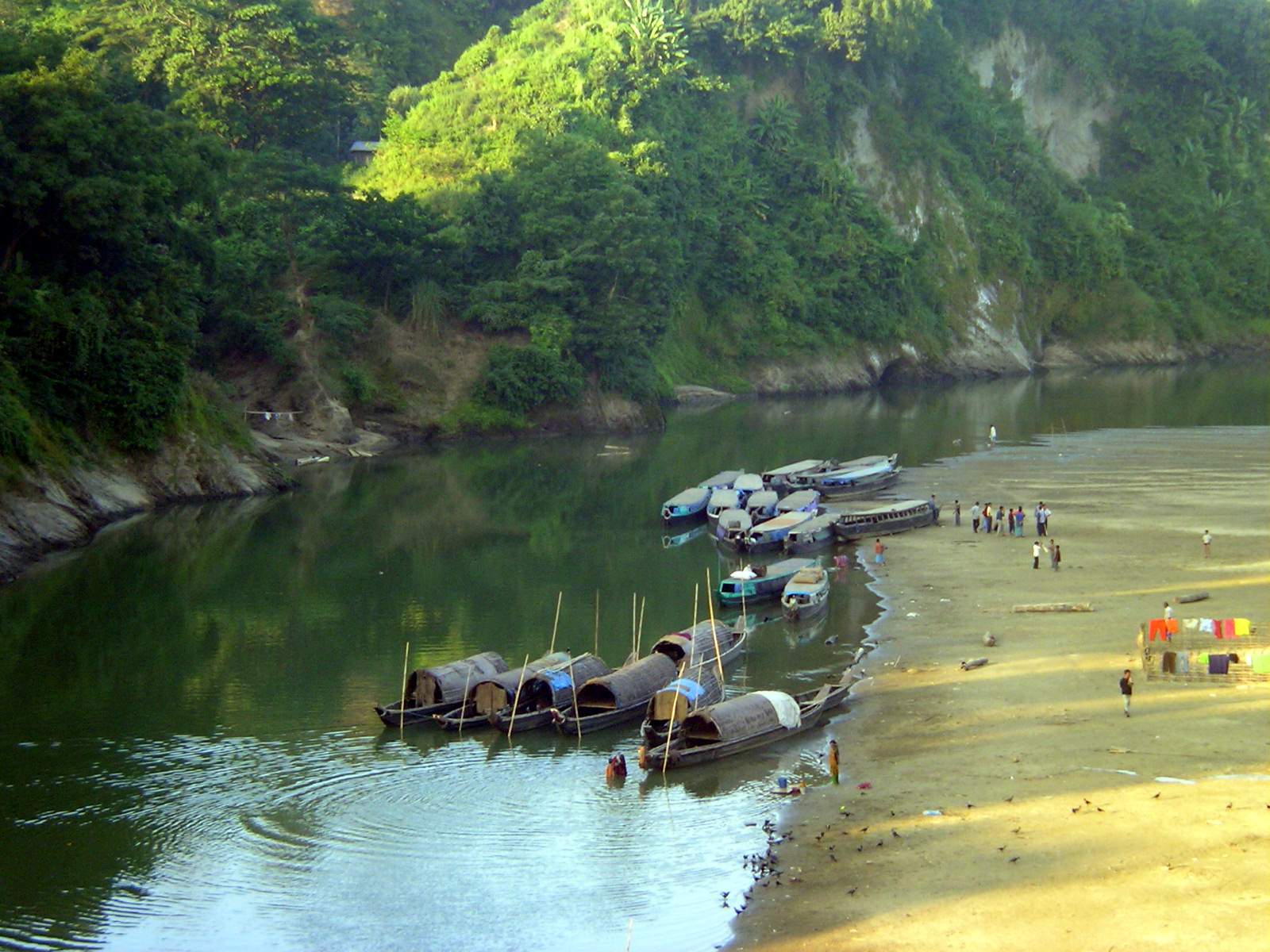
Bandarban, the district headquarters in the hill country of Chattogram division, sits on the Sangu River; Bandarban municipality is divided into nine wards. The Daily Star reported on 8 July that four days of heavy rain and runoff from the hills had pushed the Sangu and Matamuhuri above their danger marks. The Sangu stood at 15.76 metres against a danger level of 14.80 metres, and 309 millimetres of rain fell in 24 hours. Marma Bazar, Main Bazar, Kashempara and Army Para were among the parts of the municipality under water.
By 11 July the situation had worsened. According to The Daily Star, floodwater had entered 29 of the district's 34 unions, thousands of homes in more than 500 villages were inundated and more than 100,000 people were in distress. More than 5,000 people were moved out of landslide-prone areas, and over 4,600 were sheltering in 54 evacuation centres, out of 220 shelters the district administration had prepared.
Mud, waste and a stench after the water
When a Jagonews24 reporter went round Armypara, Kyachinghata, Islampur and Kalaghata on 13 July, the water had gone but mud and every kind of waste lay across roads, lanes, drains, homes and yards. Many drains were choked with mud, so water could not run off, and a strong stench hung over the whole area.
Md Abdul Karim, who lives in Armypara, said heaps of mud remained inside and outside his house, the smell was everywhere and families were worried for their small children. Residents said plastic, branches, household refuse and rotting rubbish carried in by the flood had collected in many places, and they asked for it to be cleared quickly and for disinfectant to be sprayed.
Ritol Biswas, joint convener of the Bandarban district BNP convening committee and an Armypara resident, said the cleanup was proving harder than the flood itself and that the smell of rotting rubbish made it hard to breathe. He warned that cholera, diarrhoea and other diseases could spread if the waste was not removed soon, and urged municipal officials to act.
Health agencies warn of exactly these risks. The US Centers for Disease Control and Prevention (CDC) notes that floodwater can carry trash and germs, and advises washing hands with soap and water to prevent diarrhoeal illness, cleaning walls and floors with soap and water and disinfecting them with a mixture of one cup of bleach to one gallon of water, and wearing rubber boots and plastic gloves during cleanup.
Cleanup slowed by a shortage of hands
Municipal officials told Jagonews24 that cleaning had begun as soon as the water receded, with cleaners clearing mud and rubbish ward by ward and disinfectant spraying arranged in key areas. The work would continue until conditions returned to normal, they said.
Didarul Haque Chowdhury, the municipality's conservancy inspector, said waste removal had been held back by a shortage of staff and logistics, because food assistance was still being delivered to shelters and disaster-hit areas. Full-scale removal would begin once the water had receded completely, he said.
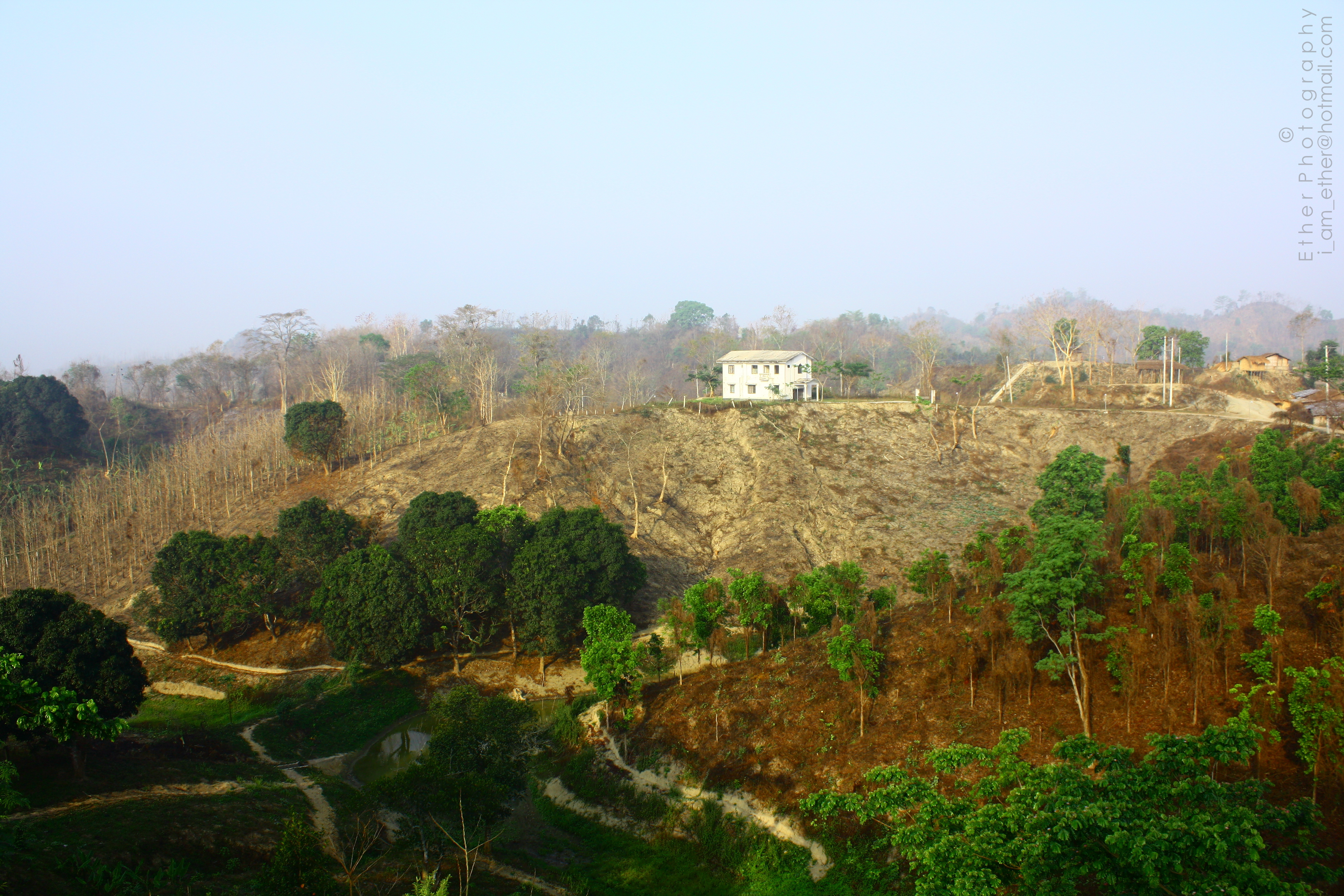
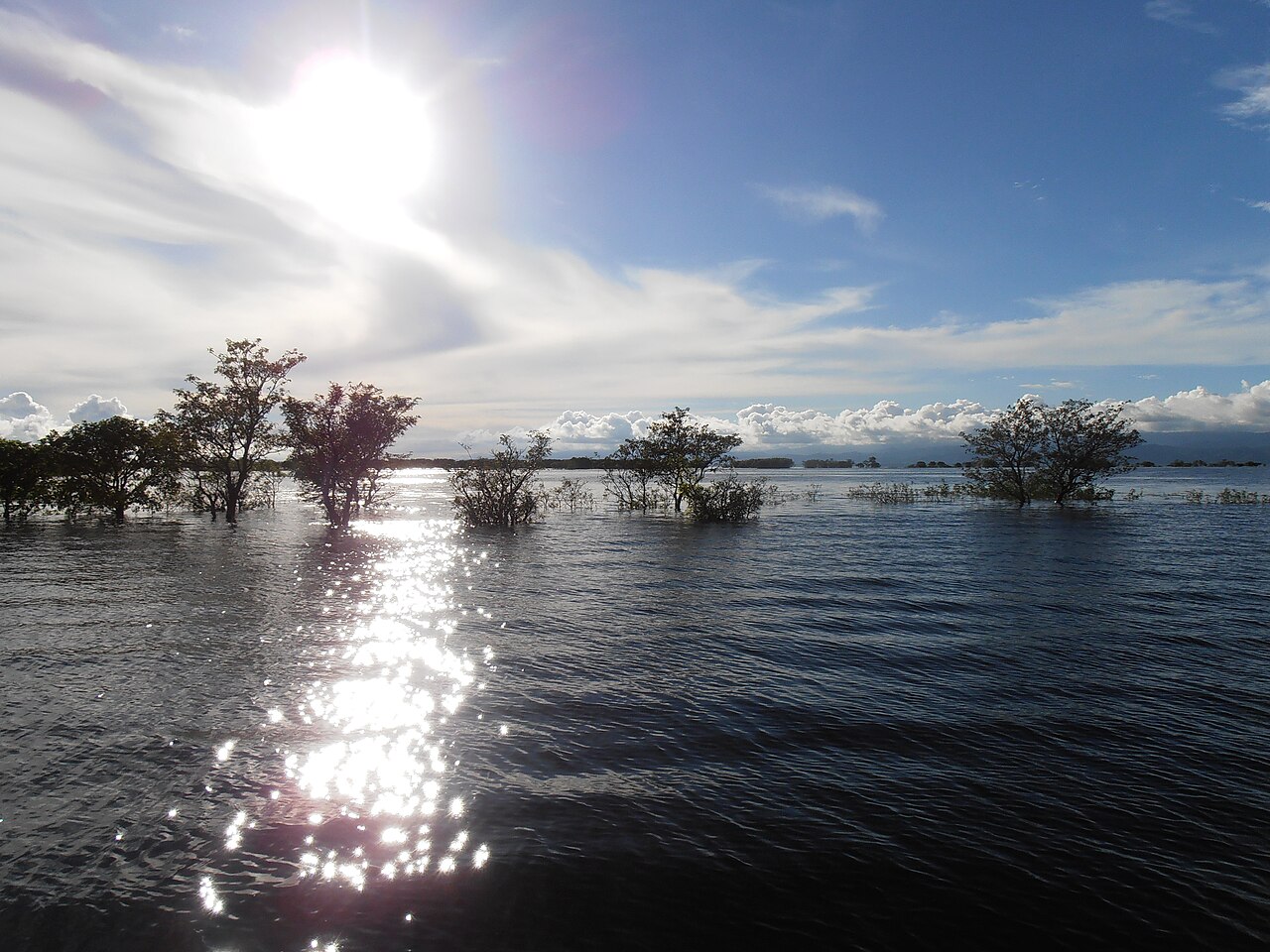
Photo: Mohammed Tawsif Salam / Wikimedia Commons (CC BY-SA 3.0)
Sources: Jagonews24, The Daily Star, US Centers for Disease Control and Prevention (CDC), Wikipedia

Comments
(0)