
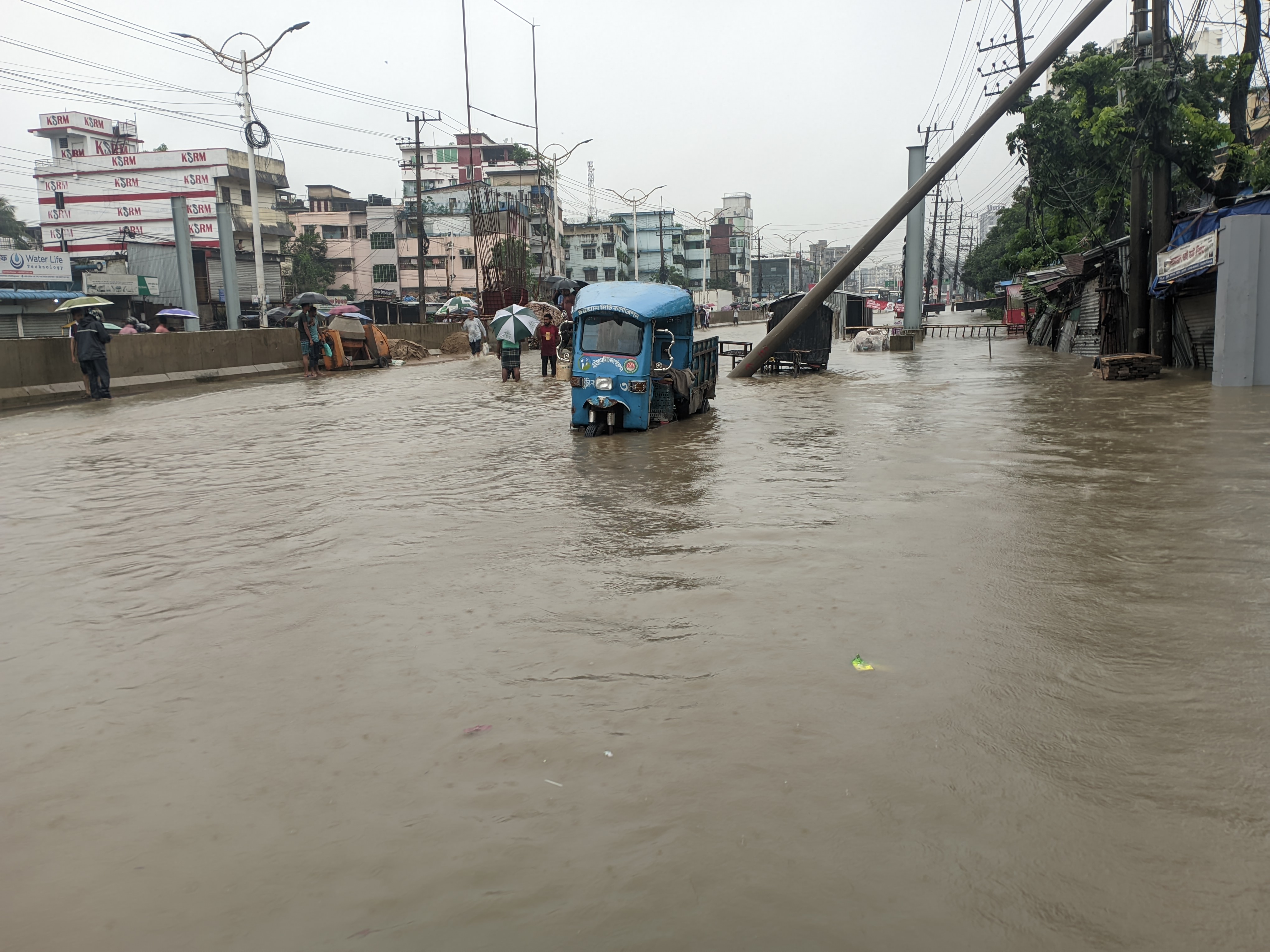
Snakebites rose alongside waterborne diseases in the flood-hit areas of Chattogram. On Sunday 12 July 2026, Chattogram district civil surgeon Dr Jahangir Alam said 75 people had been bitten by snakes so far during the ongoing floods, and that another 20 to 25 had fallen ill with diarrhoea and other waterborne diseases over the same period. Jagonews24 reported the figures that day.
Snakes in shelters and homes
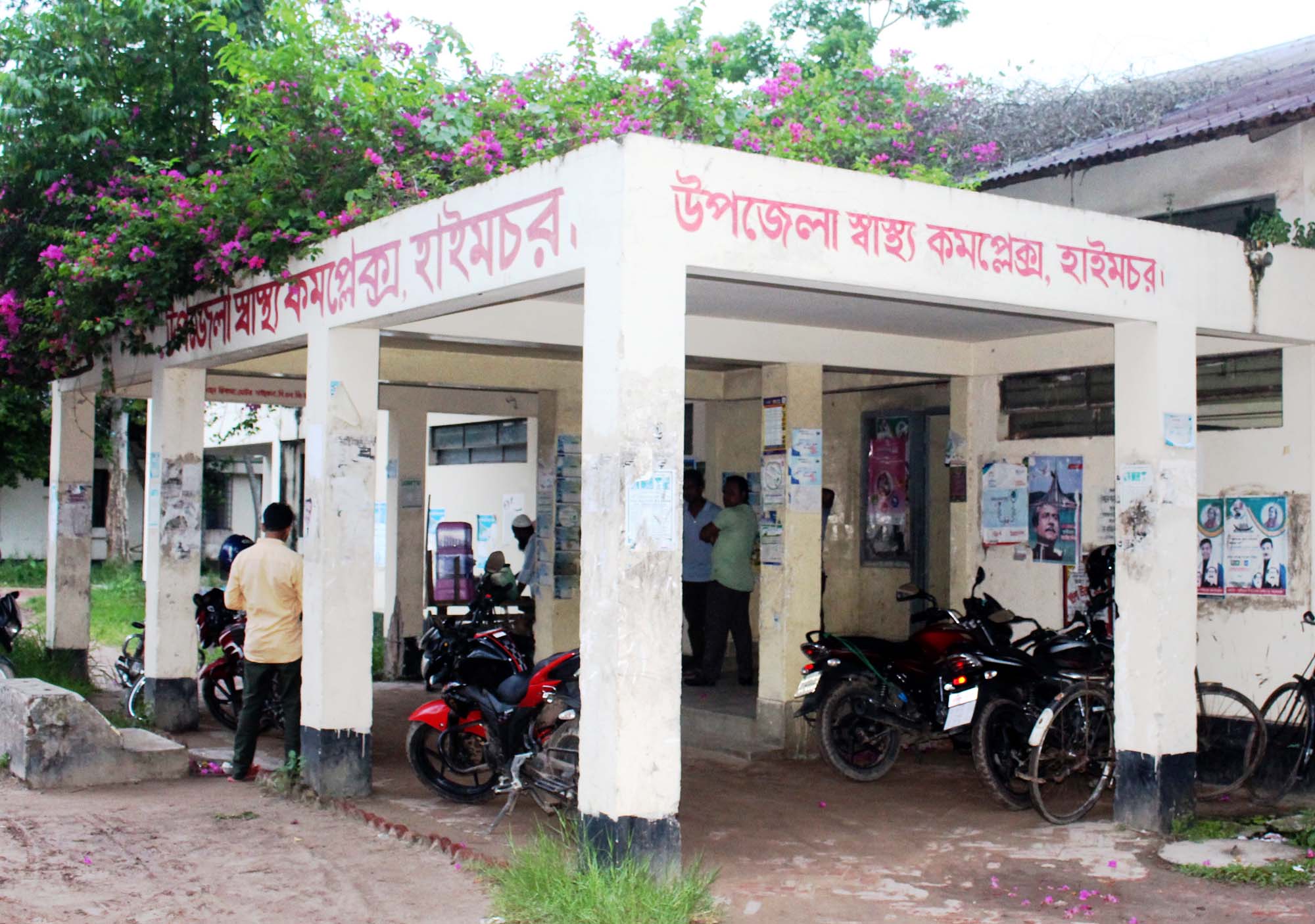
The civil surgeon said snakebites had increased because the floods drove snakes into shelters and homes. The 75 people identified were receiving treatment, and upazila health complexes had been prepared to treat snakebite patients.
He said special medical teams from the health department were working in the flood-hit areas, treating people and handing out medicines and oral saline. The teams had been told to take any pregnant women or sick children in flooded areas to hospital quickly by boat.
According to Dr Jahangir Alam, the situation had not yet become alarming. But once the water receded, contaminated water, unhygienic surroundings and poor sanitation could cause waterborne diseases to spread.
How far the floods spread
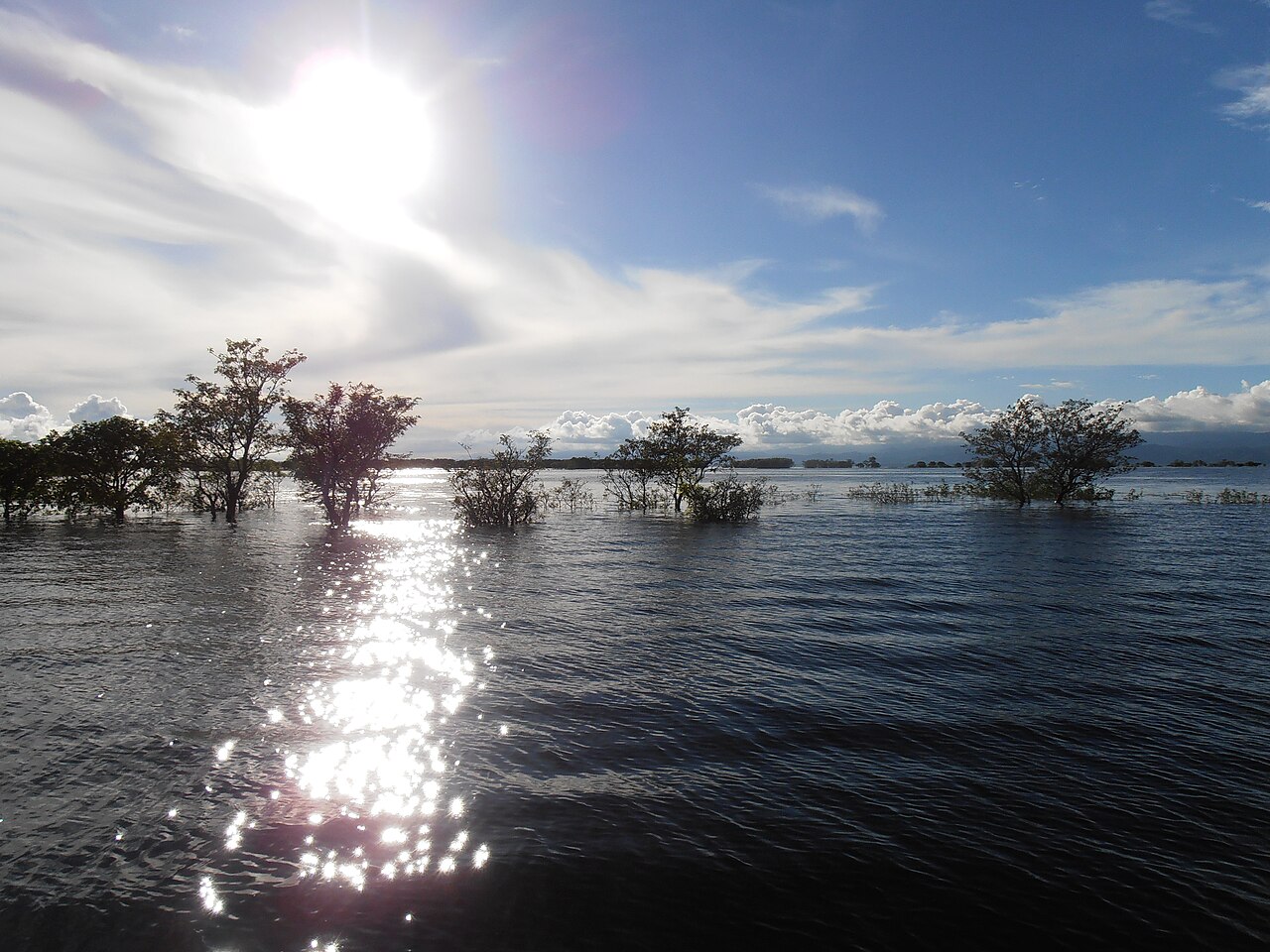
The Daily Star reported on 10 July 2026 that four days of heavy downpours and hill torrents from upstream had flooded Satkania, Lohagara, Banshkhali, Chandanaish, Patiya and Boalkhali upazilas in southern Chattogram, with water from the Sangu and Dolu rivers entering settlements.
On 12 July the paper reported that the Chattogram divisional commissioner had said the day before that 43 people had died in landslides, tidal surges and drowning across Chattogram, Cox's Bazar, Rangamati, Bandarban and Khagrachhari, and that 39 others were injured. More than 866,000 people in the five districts were affected, and 37,055 people had taken refuge in 1,727 shelters. Between 70 and 80 percent of Satkania upazila was under water.
Snakebite in Bangladesh
Citing a national survey by the Directorate General of Health Services (DGHS), the Dhaka Tribune reported in 2023 that more than 400,000 people in Bangladesh are bitten by snakes every year and at least 7,511 die, and that 95 percent of victims live in villages. Because not every upazila-level government hospital has antivenom, many patients have to travel to city hospitals, which delays treatment.
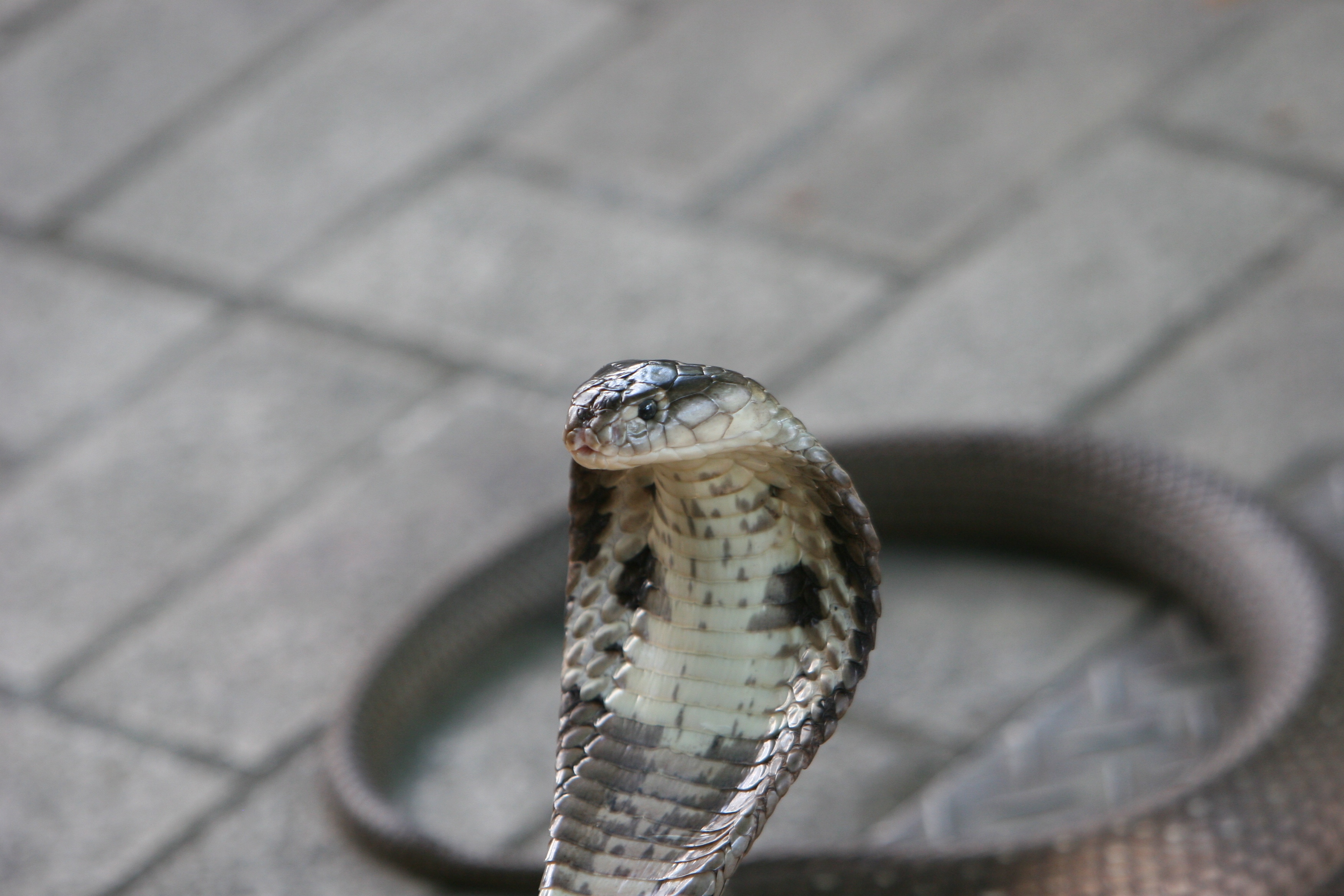
A study of rural Bangladesh published in PLOS Neglected Tropical Diseases in 2010 found that October (22 percent) and July (15 percent) accounted for the most bites. The researchers wrote that at the height of the monsoon kraits enter homes at night in search of prey, while cobras are common sources of daytime bites. In that study, 86 percent of victims went first to a snake charmer, and only 3 percent went directly to a doctor or hospital.
What to do, and not do, after a snakebite
Chattogram's health department urged people in flood-hit areas to take care when moving about at night, to test the ground with a stick before stepping into water, and, if bitten, to go straight to the nearest hospital without delaying for faith healers or anything else. It also asked people to drink safe water, keep up sanitation and seek treatment promptly if they fell ill.
The World Health Organization (WHO) says the right antivenom is the most effective treatment for a life-threatening snakebite, and works best when given as soon as possible after the bite, because many effects of venom cannot be reversed. Advice from WHO and from MedlinePlus, of the US National Library of Medicine:
- Keep the bitten person calm and as still as possible.
- Remove rings, bangles and tight clothing, as the bitten limb may swell, and keep the limb still with a loose splint.
- Get the person to hospital without delay; carrying them on their side helps protect the airway.
- Do not apply a tight tourniquet, cut the wound, try to suck out the venom or apply ice.
- Do not give the person anything by mouth, and do not try to catch the snake.
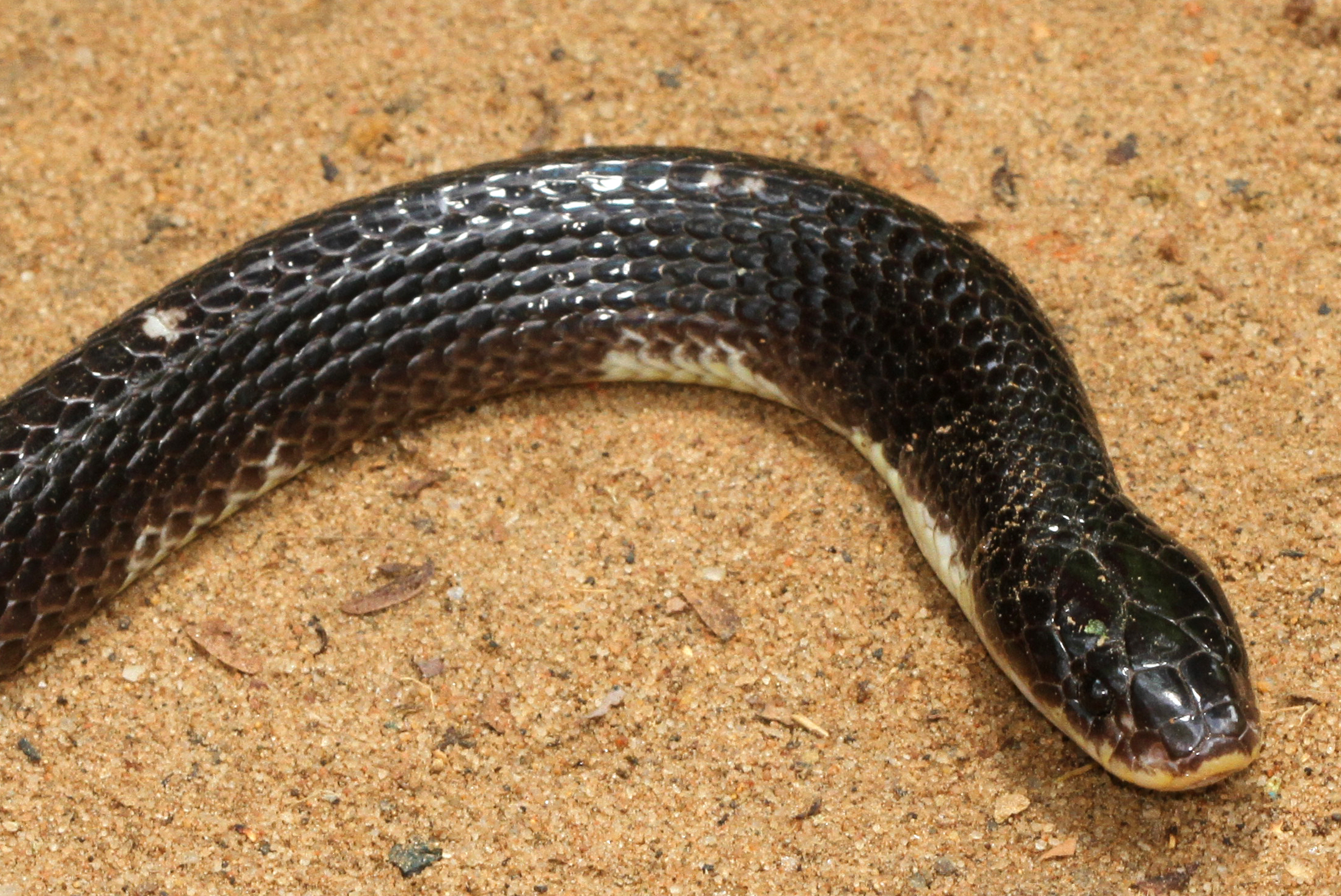
Photo: Owais Al Qarni / Wikimedia Commons (CC BY-SA 4.0)
Sources: Jagonews24, The Daily Star, Dhaka Tribune, PLOS Neglected Tropical Diseases, World Health Organization (WHO), MedlinePlus, Wikipedia
Comments
(0)