
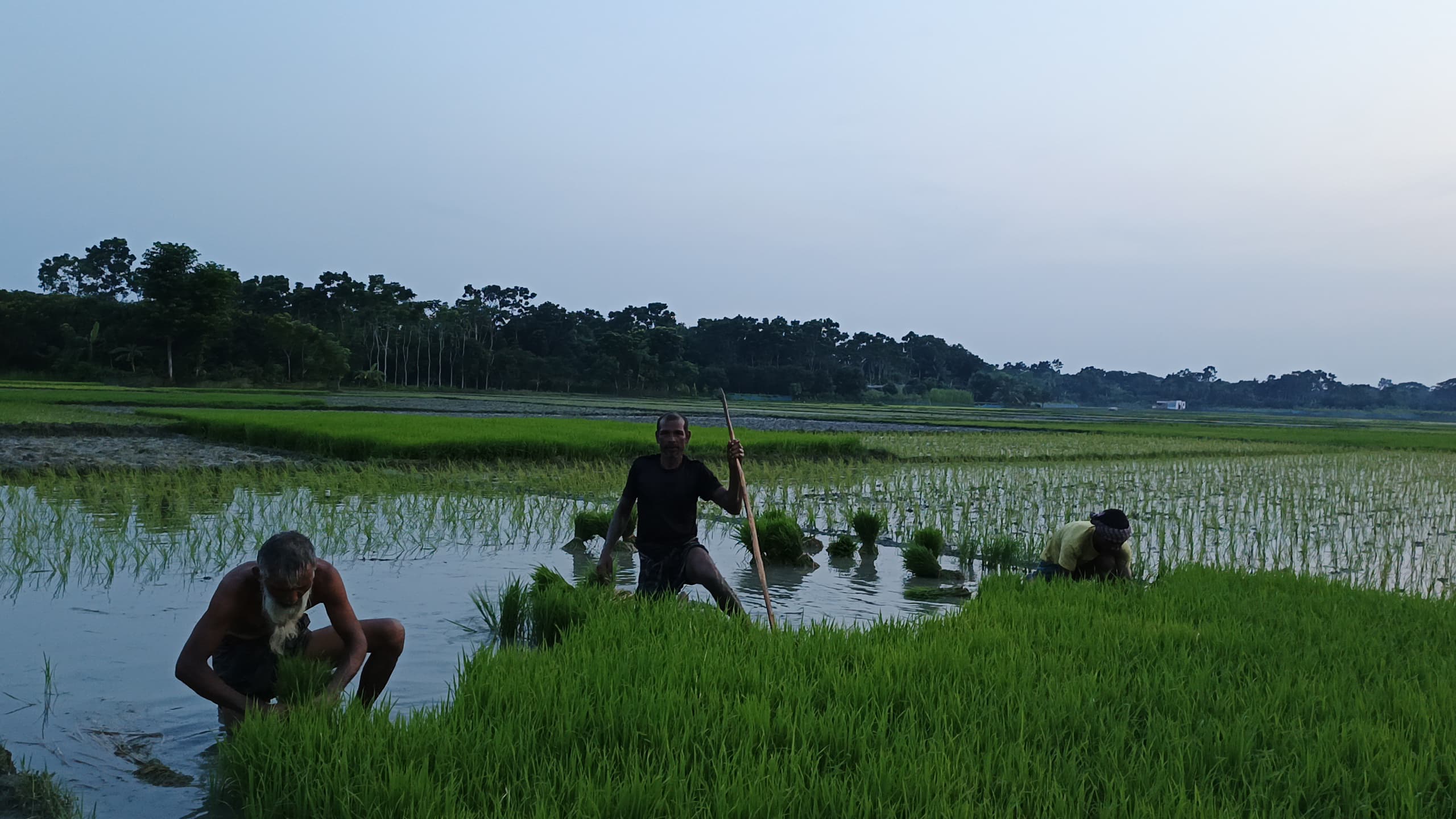
The government announced in July 2026 that it would give free seed and fertiliser to farmers hit by heavy rain and hill run-off. Mohammed Aminur Rashid, Minister for Agriculture, Fisheries and Livestock, told journalists in Dhaka on Tuesday, 14 July, that dry feed would also be supplied for livestock in flood-hit areas and a mass vaccination drive launched to prevent disease.
Jagonews24 reported that he spoke after an inter-ministerial meeting on the flood disaster at the Secretariat; Bangladesh Sangbad Sangstha (BSS) and the Dhaka Tribune reported the announcement from a press conference in the Press Information Department (PID) conference room.
The flood damage before the announcement
Heavy rain, flash floods and landslides had hit the Chattogram division and beyond in the preceding days. On 12 July The Business Standard, citing the disaster management and relief ministry's report, said at least 44 people had died and more than 2,67,000 families had been affected in seven districts: Khagrachhari, Rangamati, Bandarban, Cox's Bazar, Chattogram, Moulvibazar and Habiganj.
In Chattogram district alone, the Department of Agricultural Extension's preliminary count put damaged cropland at 15,911.16 hectares, including 9,043.5 hectares of Aus paddy, 960.66 hectares of Aman seedbeds and 5,907 hectares of summer vegetables. The district fisheries office said fish had been washed out of 9,933 ponds, lakes and fish farms in 153 unions, with losses estimated at about Tk 91.42 crore. Officials described these figures, published on 11 July, as preliminary.
Aman seedbeds worst hit
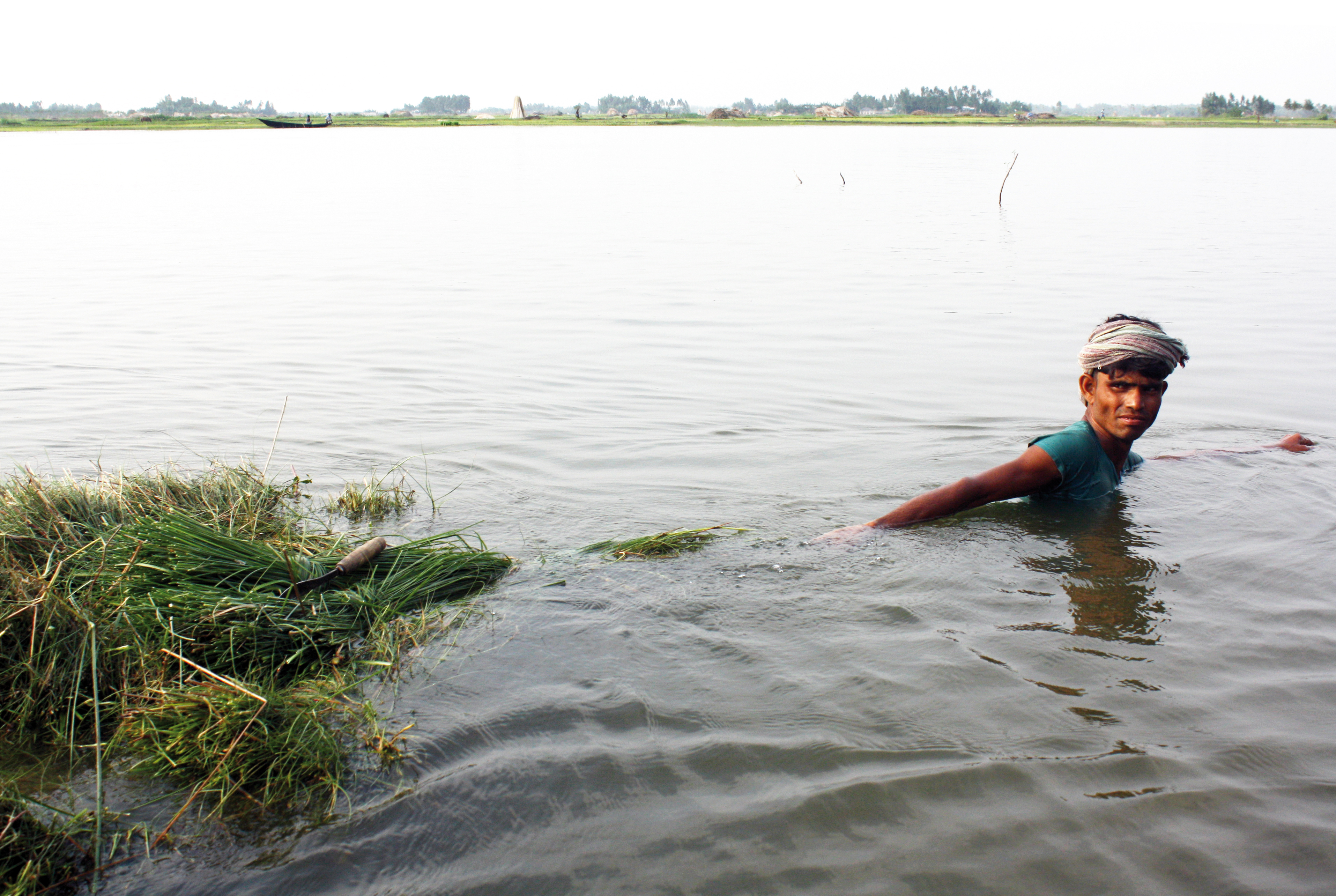
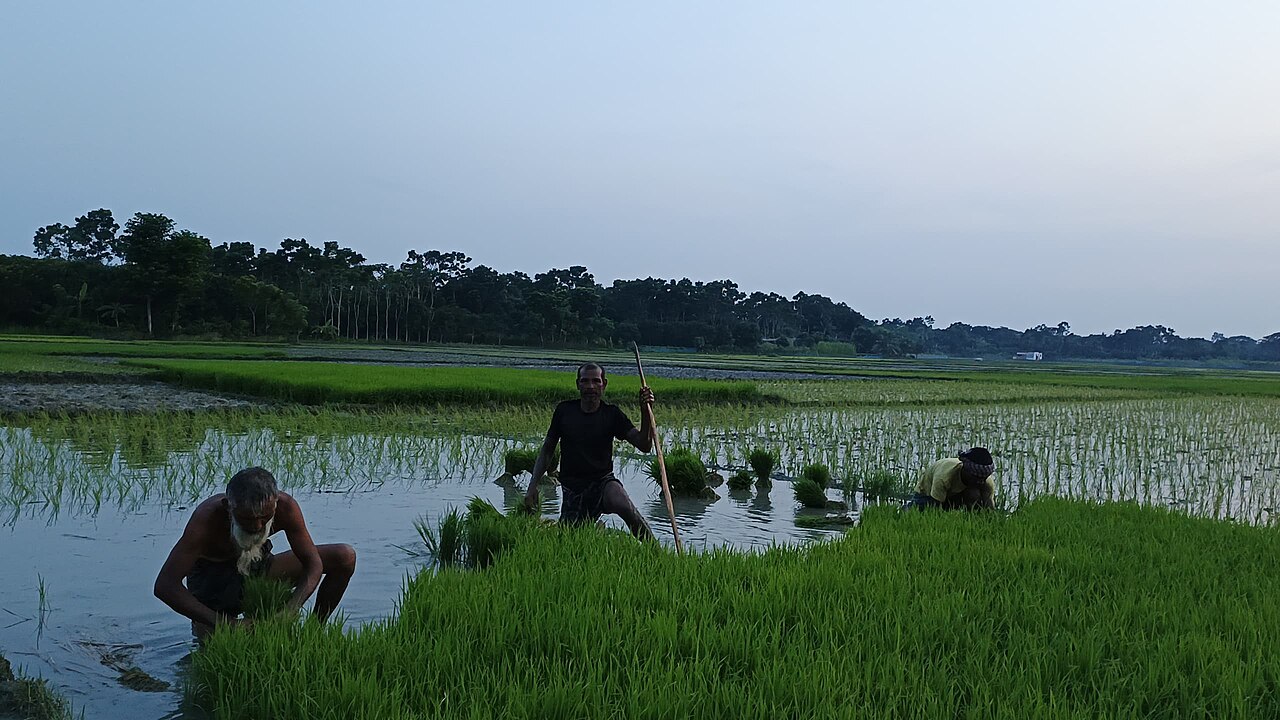
The minister said Aman seedbeds had suffered the most in the ongoing floods. In many areas the rice seedlings had gone under water, so farmers would have to prepare to plant again. But because Aman had not yet been transplanted on a large scale, he said, the risk of a major crop loss was relatively low.
Aman is Bangladesh's monsoon rice season. Its seedlings are usually transplanted between July and August and the crop is harvested between November and December, and it covers the largest area of the country's rice seasons.
DAE field officers were collecting information round the clock, the minister said, and a control room had been opened at the ministry. Emergency seedbeds would be set up on land of the Bangladesh Agricultural Development Corporation (BADC), the Bangladesh Rice Research Institute (BRRI) and the agriculture department in the affected areas, and the seedlings would go to farmers according to need once the water receded. Jagonews24 quoted him as saying replanting would be ensured with rice varieties suitable for transplanting up to 15 August.
According to the Dhaka Tribune, the minister said farmers who had already transplanted paddy had lost not only the crop but also the fertiliser applied to their fields, washed away by the floodwater, so they would need extra help to resume cultivation. Asked whether cash support would be given, he said the focus for now was on seed and fertiliser, and an additional support package would be considered later if necessary.
Feed and foot-and-mouth vaccination for livestock
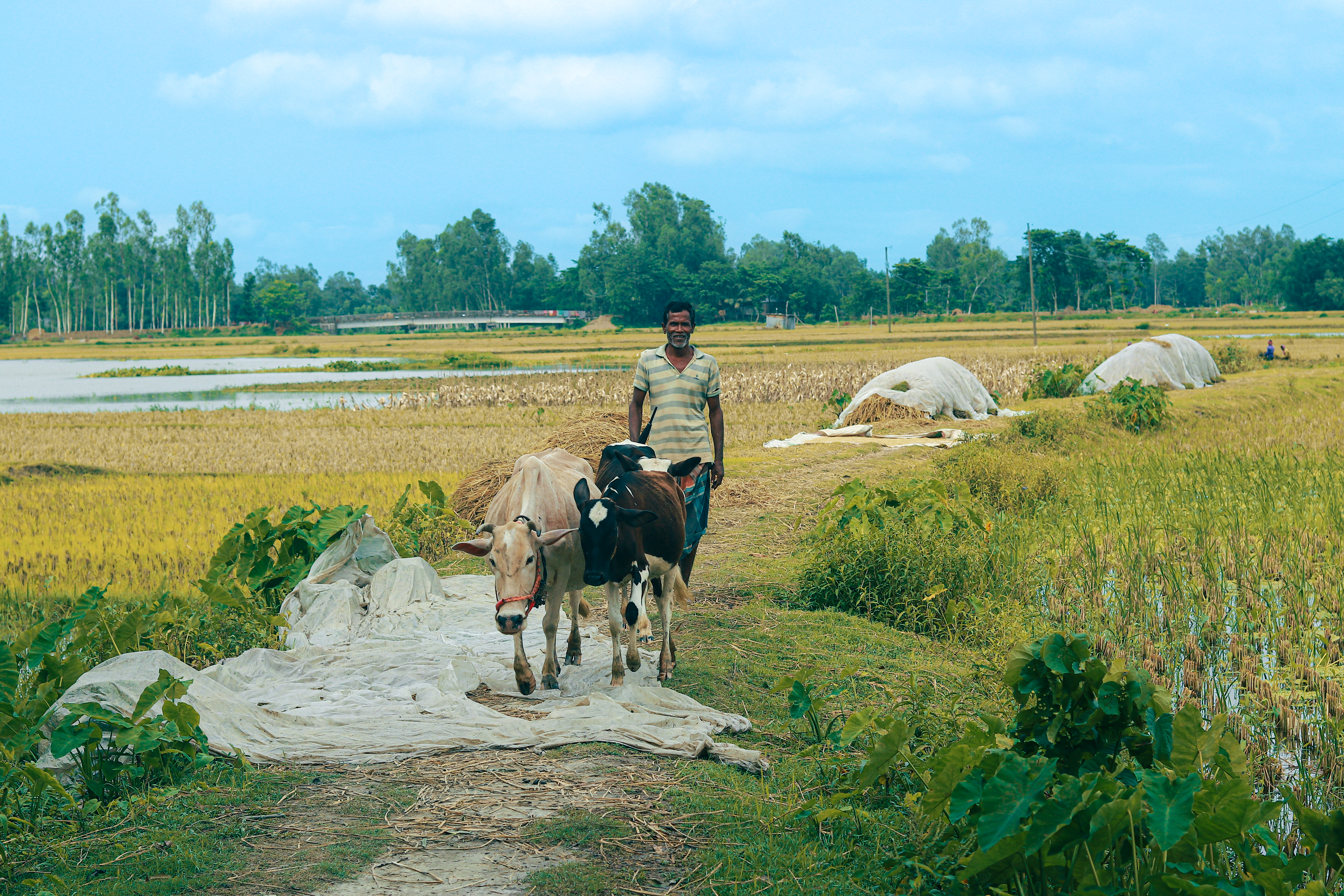
Turning to animal feed, the minister said the floods had caused extensive damage to straw, grass and fodder, so dry feed, straw and bran would be supplied for cattle and goats in the affected areas.
He said the risk of livestock disease rises during the monsoon and floods, and instructions had been given to vaccinate all livestock in the affected areas against foot-and-mouth disease quickly; BSS and the Dhaka Tribune reported that he expected the campaign to start within one to two days. The World Organisation for Animal Health (WOAH) describes foot-and-mouth disease as a severe, highly contagious viral disease of livestock, affecting cattle, pigs, sheep, goats and other cloven-hoofed animals. It says the disease is not readily transmissible to humans and is not a public health risk. Livestock owners should consult their upazila livestock officer about vaccination.
Fish farmers' losses and the wait for a full count
On fisheries, the minister said the flash floods had broken the embankments of many ponds and fish had been washed away. A list of affected fish farmers was being prepared, and the government would take the necessary steps to help them.
Asked about the total loss to agriculture, he said a full account was not yet available and field data were still being collected. It would take a few more days to prepare a detailed picture of losses in agriculture, local government and other sectors.
Photo: MdRamjanAliWiki / Wikimedia Commons (CC BY 4.0)
Sources: Jagonews24, Bangladesh Sangbad Sangstha (BSS), Dhaka Tribune, The Business Standard, World Organisation for Animal Health (WOAH), Wikipedia
Comments
(0)