
A few hours or a few days of rain is enough to waterlog towns and settlements across Bangladesh, and when upstream water swells the rivers in the monsoon, large areas flood. Along with the daily hardship of being marooned for days comes a rise in health risk.
Specialists say the greatest danger at this time comes from diarrhoea, cholera, typhoid, dengue, various skin diseases and, in some cases, water-borne infections such as hepatitis A and E.
But the causes are not the same. Some spread through contaminated food or water, some are carried by mosquitoes, and some arise from long exposure to damp conditions. Reducing the risk means knowing what causes each disease and who is most exposed.
Dr Mushtaq Hossain, a public health expert and former adviser to the government's Institute of Epidemiology, Disease Control and Research (IEDCR), divides the risk broadly in two. The first, he says, comes from the shortage of clean water, safe food and sanitation.
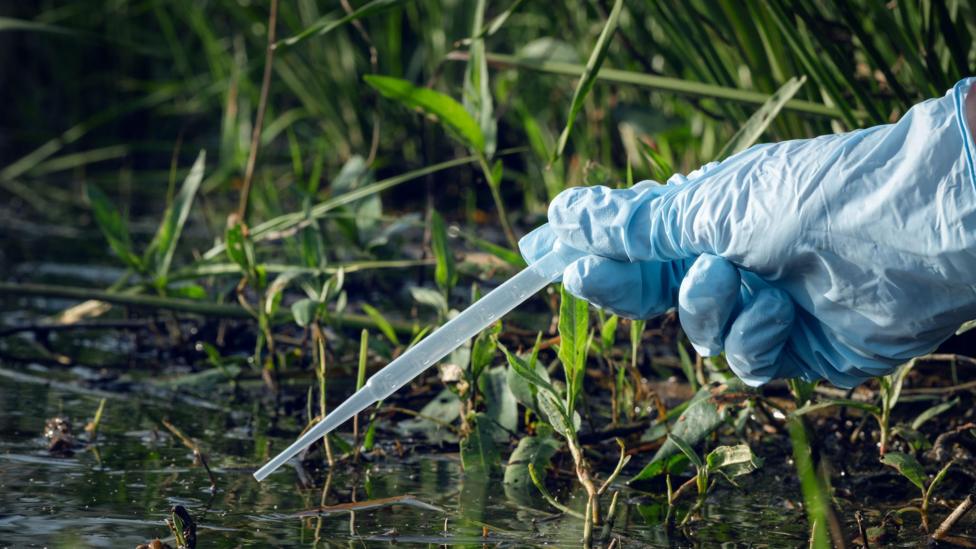
"There is a lot of water all around, but no water fit to drink. That is one of the biggest public health problems during a flood," Dr Hossain said. Floodwater is often unfit to drink, and sources of food and water are at risk of contamination.
The consequences appear quickly. Without safe water and food, diarrhoea, cholera and other food and water-borne diseases can spread within a very short time. Diarrhoea generally comes from contaminated water or spoiled food, and it drains water and electrolytes from the body rapidly.
For rural households the risk is not only to health but to livelihood. Flooding submerges fields, removes shelter for livestock and spoils safe water sources at the same time, while water standing on roads, in homes and in schools, together with prolonged damp, keeps the risk of disease going long after the water falls.
Source: BBC Bangla


Comments
(0)