
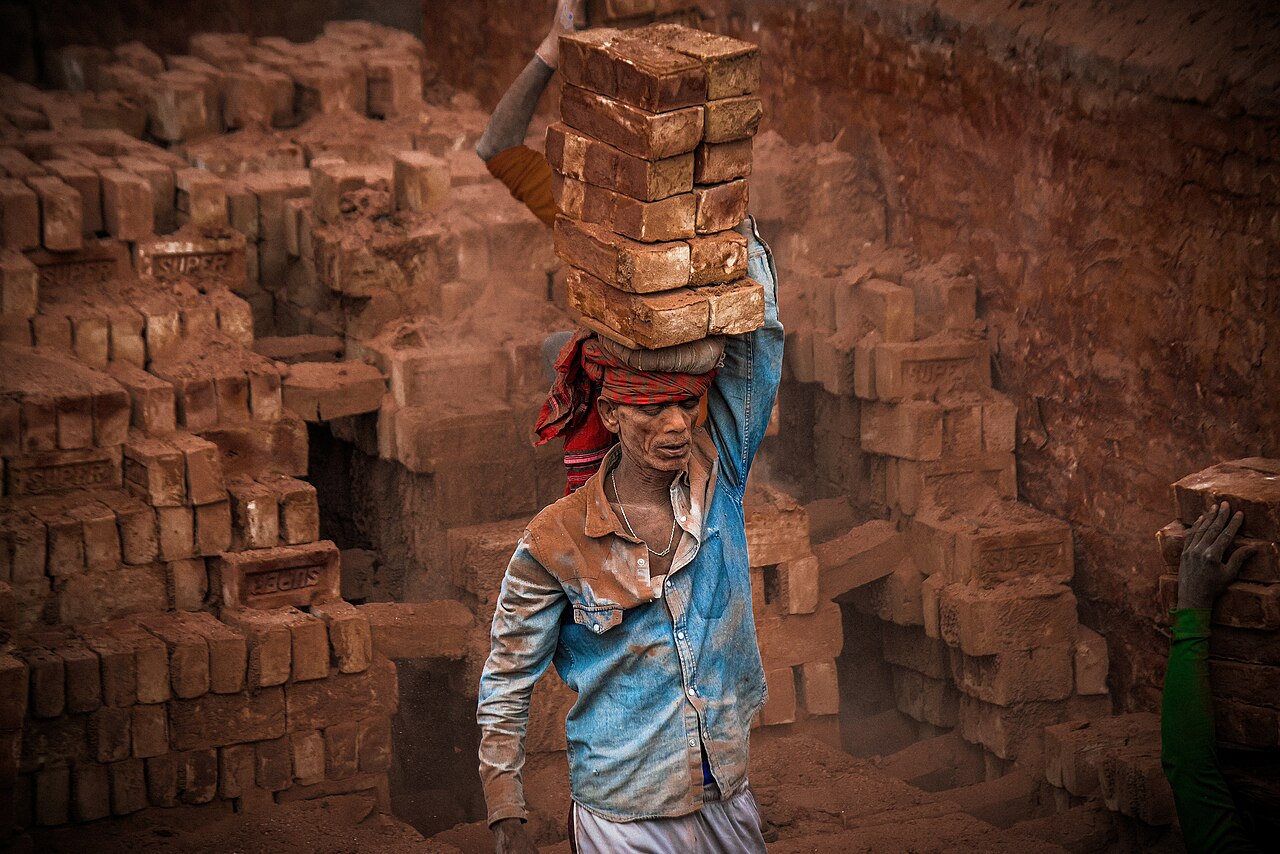
Seventeen of the world’s 20 most polluted cities are in South Asia, and black carbon has become a major part of the region’s air pollution, speakers said at a science-policy seminar in Dhaka on Sunday 1 November. Dhaka University and Stockholm University organised it at a city hotel with support from the Clean Air Fund.
In the keynote, Professor Abdus Salam, pro-vice-chancellor of Dhaka University, said black carbon, or soot, forms from the incomplete burning of fossil fuels, biofuels and organic matter. Diesel engines, factories, brick kilns and open burning of waste are major sources. Mass for mass, its warming power is 100 to 1,000 times that of carbon dioxide, so cutting emissions brings quick benefits.
Carried on the wind, he said, black carbon settles on Himalayan snow and glaciers, darkening the ice so it absorbs more sunlight and melts faster, which affects freshwater for millions. It can also alter the regional water cycle, cloud formation and monsoon patterns. As part of PM2.5, its fine particles reach deep into the lungs and the bloodstream, raising the risk of respiratory illness, heart disease and early death.
From November to February, he said, polluted air from the Indo-Gangetic plain crosses Bangladesh towards the Bay of Bengal, at times pushing PM2.5 to 500 micrograms per cubic metre. He listed Dhaka’s pollution sources as vehicles, construction, road dust, cooking smoke, brick kilns, waste burning, industry and cross-border pollution.
He also cited a success: after two-stroke engines were banned in Dhaka, black carbon fell from about 40 micrograms per cubic metre to 6-12 micrograms today. He recommended enforcing emission standards for vehicles and factories, retiring old vehicles, cleaner fuels and public transport, controlling construction dust, ending open waste burning, cleaner brick kiln technology and regional cooperation with neighbouring countries.
The chief guest, State Minister for Environment Sheikh Faridul Islam, said environmental damage cannot be reversed overnight but work is under way, and that 4,000 megawatts of solar power will be added within three months, 296 megawatts of it in Dhaka. Professor Örjan Gustafsson of Stockholm University’s environmental science department said black carbon is causing serious environmental harm across South Asia, including Bangladesh.
Photo: Mahinur11 / Wikimedia Commons (CC BY-SA 4.0)
Source: Prothom Alo

Comments
(0)