

Bangladesh received 68 percent less rain than normal in October. Two low-pressure systems formed over the Bay of Bengal during the month, one of which became Cyclone Arnab, but rainfall was still far below normal, according to the Bangladesh Meteorological Department’s monthly report published on Sunday 1 November.
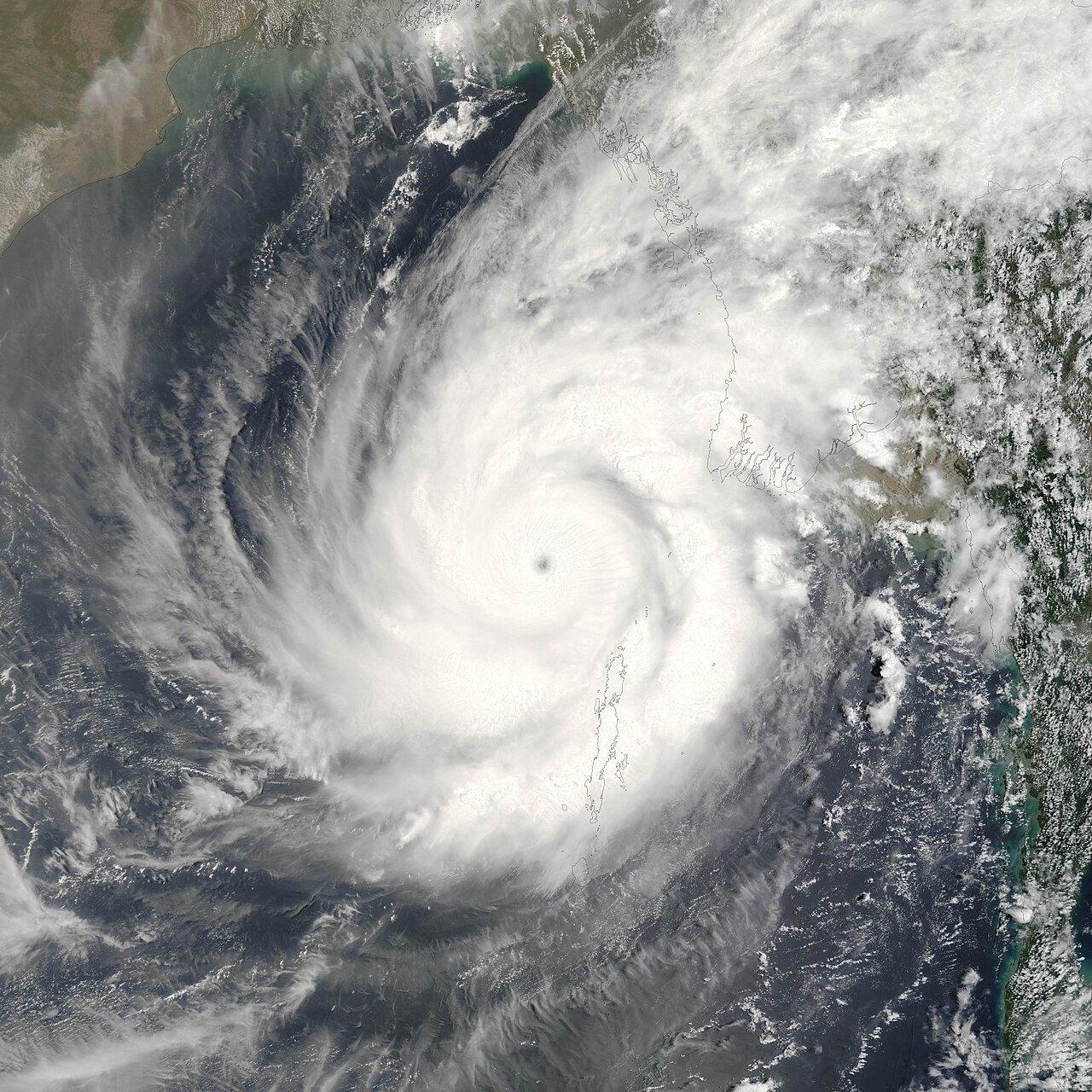
The report says the south-west monsoon withdrew from Bangladesh on 9 October. The first low formed over the east-central Bay of Bengal on 23 October, strengthened in stages into Cyclone Arnab on 26 October, became an extremely severe cyclone and crossed the Andhra coast of India on the morning of 28 October.
The second low formed over the Andaman Sea on 29 October and became a depression by midday on 31 October. Under their influence, scattered light to moderate rain fell in places, with thunder and gusty winds.
The month’s heaviest daily rainfall was 64 millimetres at Sreemangal in Sylhet on 2 October. Mild heatwaves swept parts of the country on 12-14 October, 22 October and 26-28 October.
The highest temperature of the month was 37.8 degrees Celsius in Sylhet on 17 October and the lowest 15.4 degrees at Tetulia on 27 October. Maximum, minimum and average temperatures for October were 1.8, 0.4 and 1.1 degrees above normal.
With the aman harvest under way and the rabi season starting, low rainfall and above-normal temperatures matter for soil moisture and irrigation, which makes the department’s monthly figures important to farmers.
Photo: Wasiul Bahar / Wikimedia Commons (CC BY-SA 4.0)
Source: Banglanews24



Comments
(0)