
Writer and researcher Pavel Partha attended the 17th conference of the parties to the biodiversity convention in Yerevan, Armenia, held under the theme "Action for Nature". In a column in Prothom Alo drawn from that experience, he raises the question of folk knowledge about fallen leaves and the rights of indigenous and local communities.
Fallen leaves, he notes, are fuel, plates, paper-bag material and field mulch for many communities. Until the 1980s, food at village feasts in Bangladesh was served on banana, lotus and other leaves, and molasses, salt and small fish were wrapped in them; plastic has taken their place. He criticises the Green Revolution of the 1960s for selecting broad-leaved rice for more grain and imposing a one-sided food system.
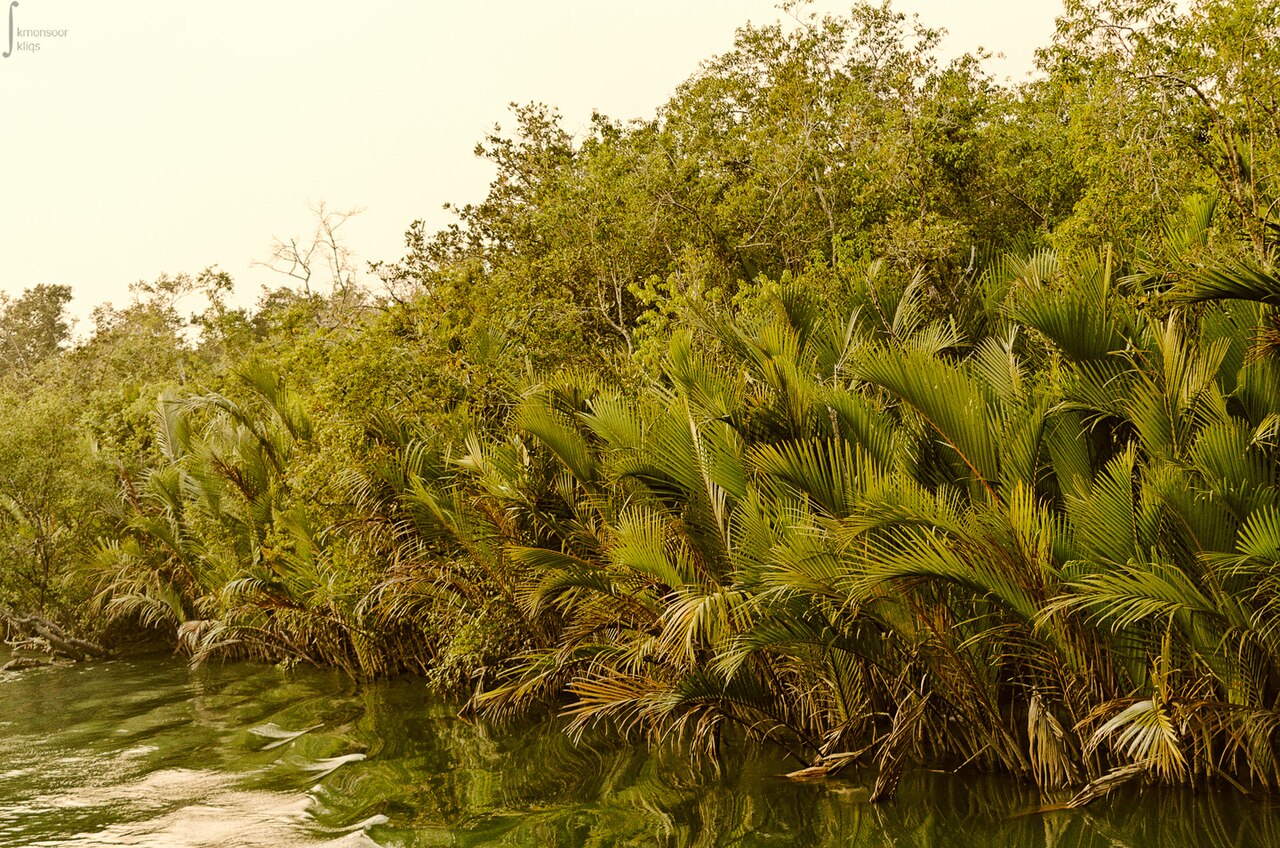
He calls the Sundarbans "a play of leaves". Forest workers say fallen leaves bring the leaf-litter mats where shrimp breed, and new leaves bring the honey season. When nipa palm (golpata) cutting was banned after Cyclone Sidr in 2007, veteran cutters warned that palms die if not cut by the old rules. When the forest floor of Lawachara burned, Khasi women lost a wild mushroom they called tetslang.
At the conference, Yesenia Kari Mayer of the Shimani people of the Amazon told him that mining, forest-floor destruction and large cattle ranches are destroying ancient forests, even though the Kunming-Montreal Global Biodiversity Framework sets 23 targets to protect them. A Kichwa delegate from Ecuador and Mrinal Kanti Tripura, a Tripura leader from Khagrachhari, found that both peoples string the same kinds of wild seeds into necklaces and follow customs before taking anything from the forest.
He notes that the International Work Group for Indigenous Affairs and Indigenous Debate of Denmark published a book for the conference, with cases from Indonesia, Bolivia, Myanmar, Guyana, Cameroon and Ecuador, arguing that multinational mining, commercial projects and "false climate solutions" are stripping indigenous peoples of their rights.
His central argument is that talking about fallen leaves only as stores of carbon or humus, while hiding the folk science of leaves found worldwide, cannot meet the commitments of the biodiversity convention; folk knowledge and indigenous rights need fair recognition. The column is by Pavel Partha; the views are the writer’s own.
Photo: Kmonsoor / Wikimedia Commons (CC BY-SA 3.0)
Source: Prothom Alo

Comments
(0)