
The state minister for fisheries and livestock recently told parliament that recruitment is under way for four veterinary surgeons in every upazila and one veterinarian in every union. In a column in Ittefaq, Professor Md Bahanur Rahman and Dr RS Mahmud Hasan argue that turning the announcement into service needs a concrete plan, new posts, a budget and time-bound hiring, and that a special BCS (Bangladesh Civil Service) recruitment should be seriously considered. This is a summary of their argument.
The livestock sector, they write, is no longer only about milk, eggs and meat; it is tied directly to nutrition security, the rural economy, jobs and public health. Skilled veterinary staff are essential to control diseases that pass from animals to people, such as rabies, brucellosis, anthrax, salmonellosis, avian influenza and Nipah, and to put the One Health approach, which treats animal, human and environmental health together, into practice in the field.
They point to a precedent. The 19th special BCS (livestock), advertised by the Public Service Commission in 1998, listed 587 vacancies, 519 of them for veterinary surgeons, thana livestock officers and lecturers. In the end 555 people were appointed, 475 from veterinary and 80 from animal husbandry backgrounds.
Veterinary education has grown a great deal since then. The Bangladesh Veterinary Council’s list of 30 July 2025 names 15 veterinary institutions, and for the 2025-26 academic year they offer 1,298 places in DVM, combined veterinary science and animal husbandry, and animal husbandry degrees: 515, 733 and 50 respectively. Places are not the same as graduates entering work each year, the writers note, so posts, vacancies, retirements and field needs must be assessed together.
They propose that the government analyse how many veterinary surgeons work in each upazila, how many posts are vacant, where no posts are sanctioned at all and how many staff will retire in the next few years, and decide on new posts, filling vacancies and, where needed, a special BCS on that basis. They also want the combined veterinary science and animal husbandry degree written clearly into the recruitment rules of BLRI, the Department of Livestock Services and every other government livestock body.
Recruitment alone is not enough, they argue. Upazila and union service centres need medicines, diagnostic equipment, laboratories, vehicles, emergency supplies and artificial insemination facilities, and disease surveillance and vaccination need local administration, health and livestock departments working together. Private jobs in poultry, dairy, feed, medicines and vaccines should grow too, but they are no substitute for staffing public services.
The column is by Professor Md Bahanur Rahman and Dr RS Mahmud Hasan. The views are the writers’ own.
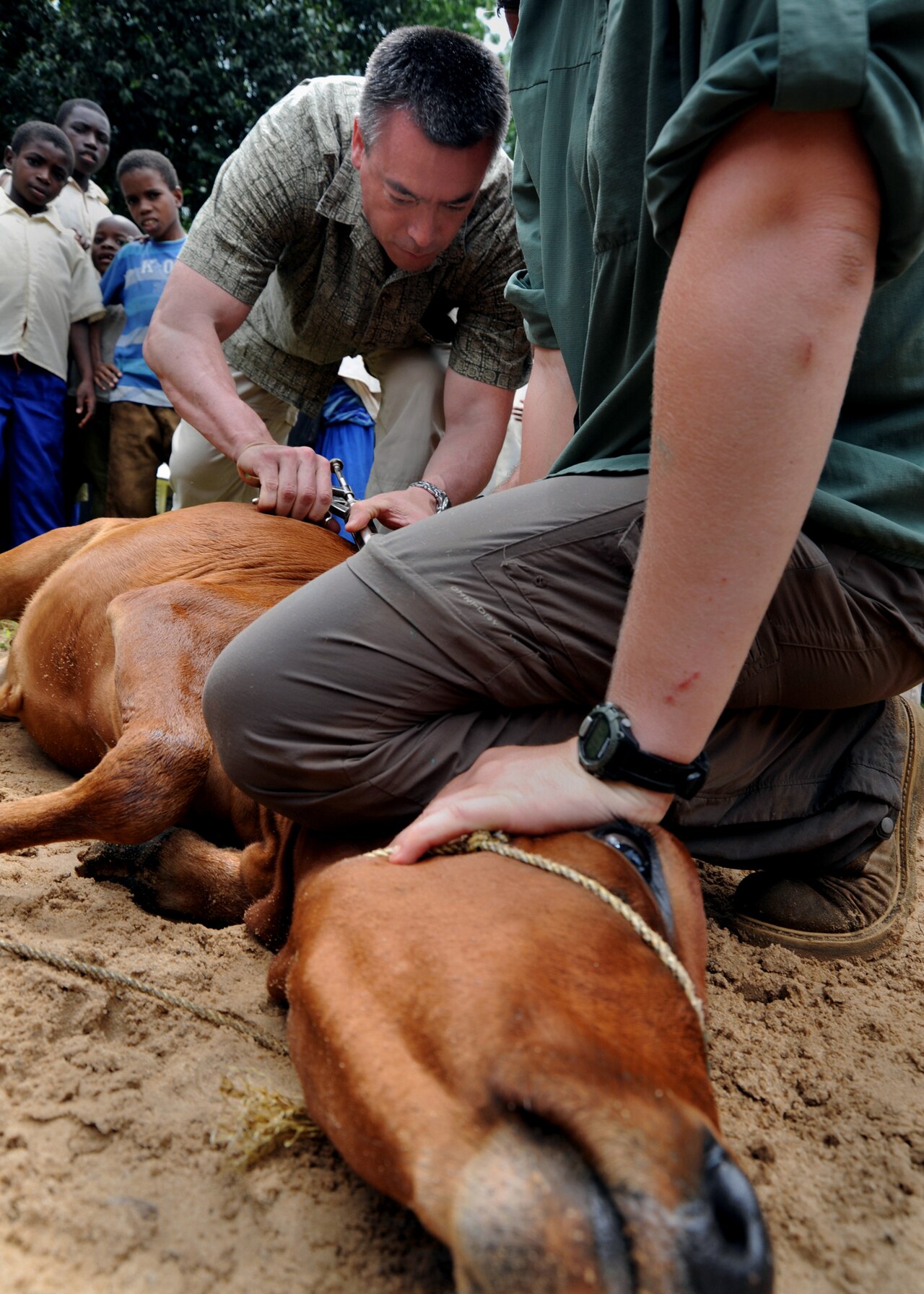
Photo: U.S. Navy / Tyler J. Wilson / Wikimedia Commons (Public domain)
Source: Ittefaq



Comments
(0)