
 Environment
US irrigated land stops growing as water use per acre falls
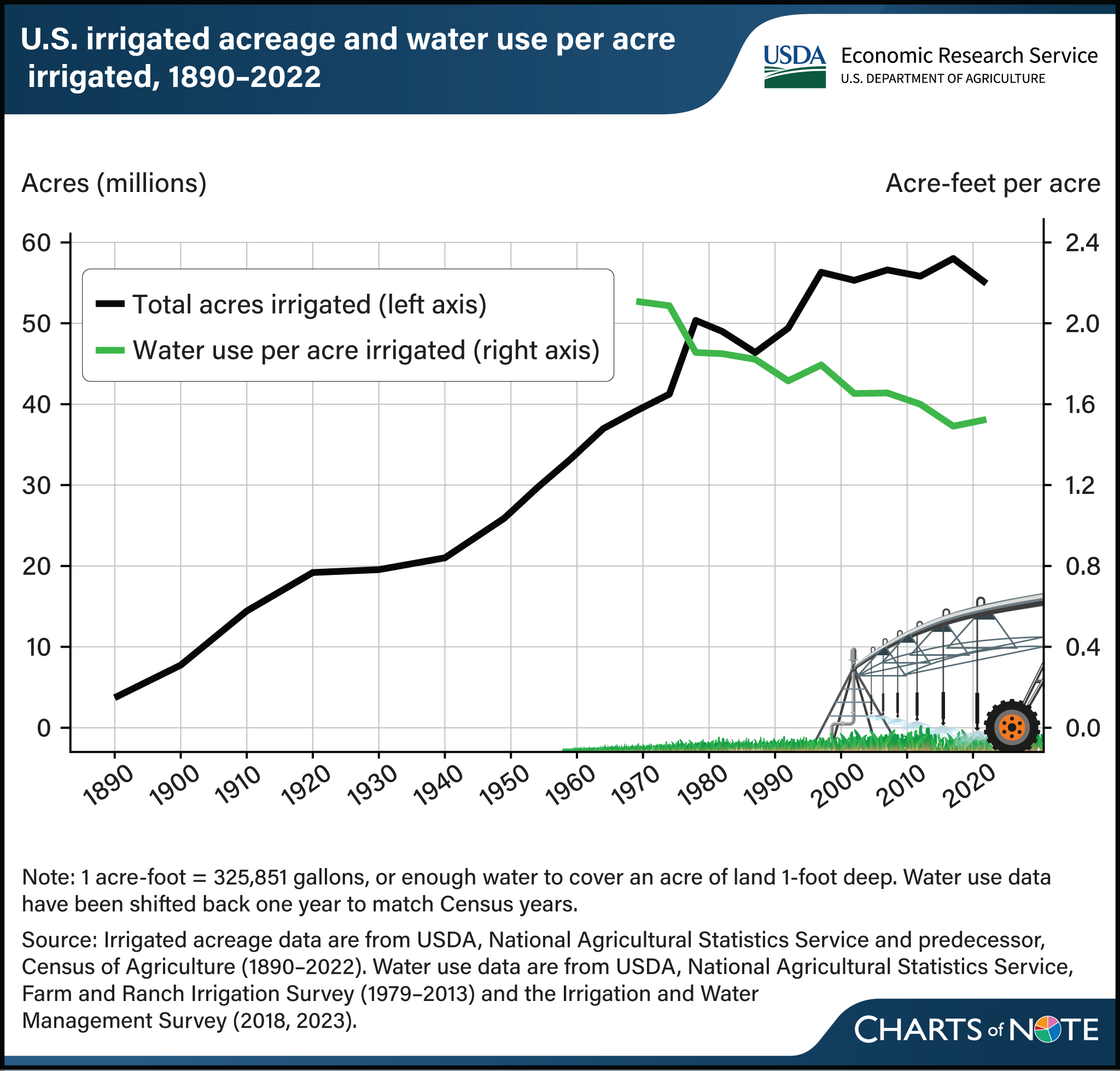
American irrigated area grew more than tenfold from 1890 but has stalled since 1997, even as the water applied to each acre has fallen sharply.
EnvironmentAmerican irrigated area grew more than tenfold from 1890 but has stalled since 1997, even as the water applied to each acre has fallen sharply.
A fisherman in Harirampur, Manikganj caught a live Russell's viper in his net on the Padma and brought it ashore unharmed so it could be handed to the Forest Department.
 Crops
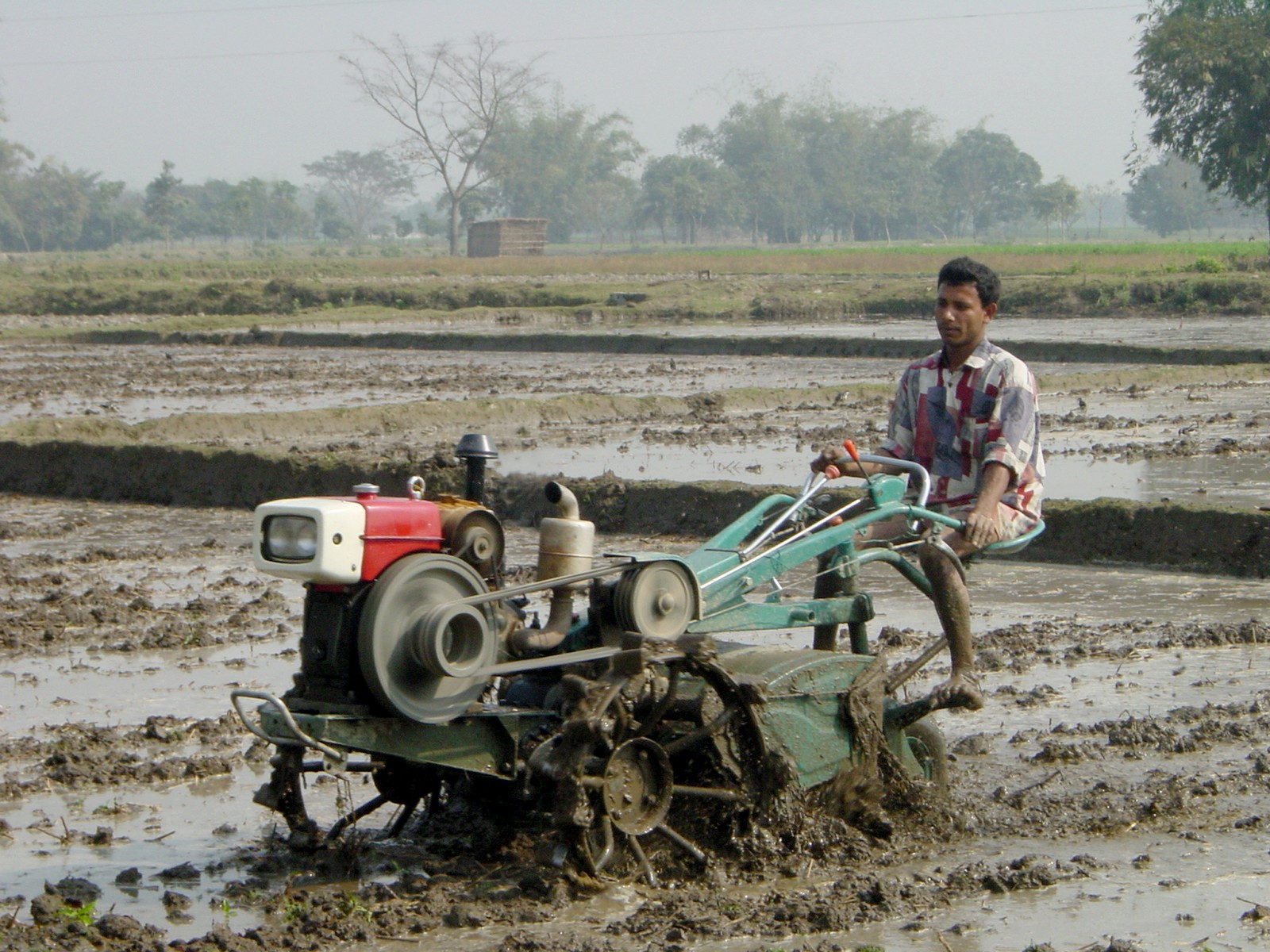
CropsA Jagonews24 article published on 30 June 2026 warned that falling soil organic matter, excess chemical fertiliser and indiscriminate pesticide use were weakening Bangladesh's agriculture, and called for soil test-based fertilising and integrated pest management.
 Video
VideoShykh Seraj visits Diamond Chicks, one of the country's largest poultry companies, where artificial insemination lets one cockerel fertilise 80 to 100 hens.
A trader in Gopalpur, Tangail invited one friend to a mango and jackfruit feast, but the friend arrived with around 100 guests, and the delighted host fed them all.
Bangladesh has become one of the world's leading fruit producers, but with fruit worth Tk 25,000-50,000 crore rotting every year, the next step must be processing and value addition.
 Agribusiness
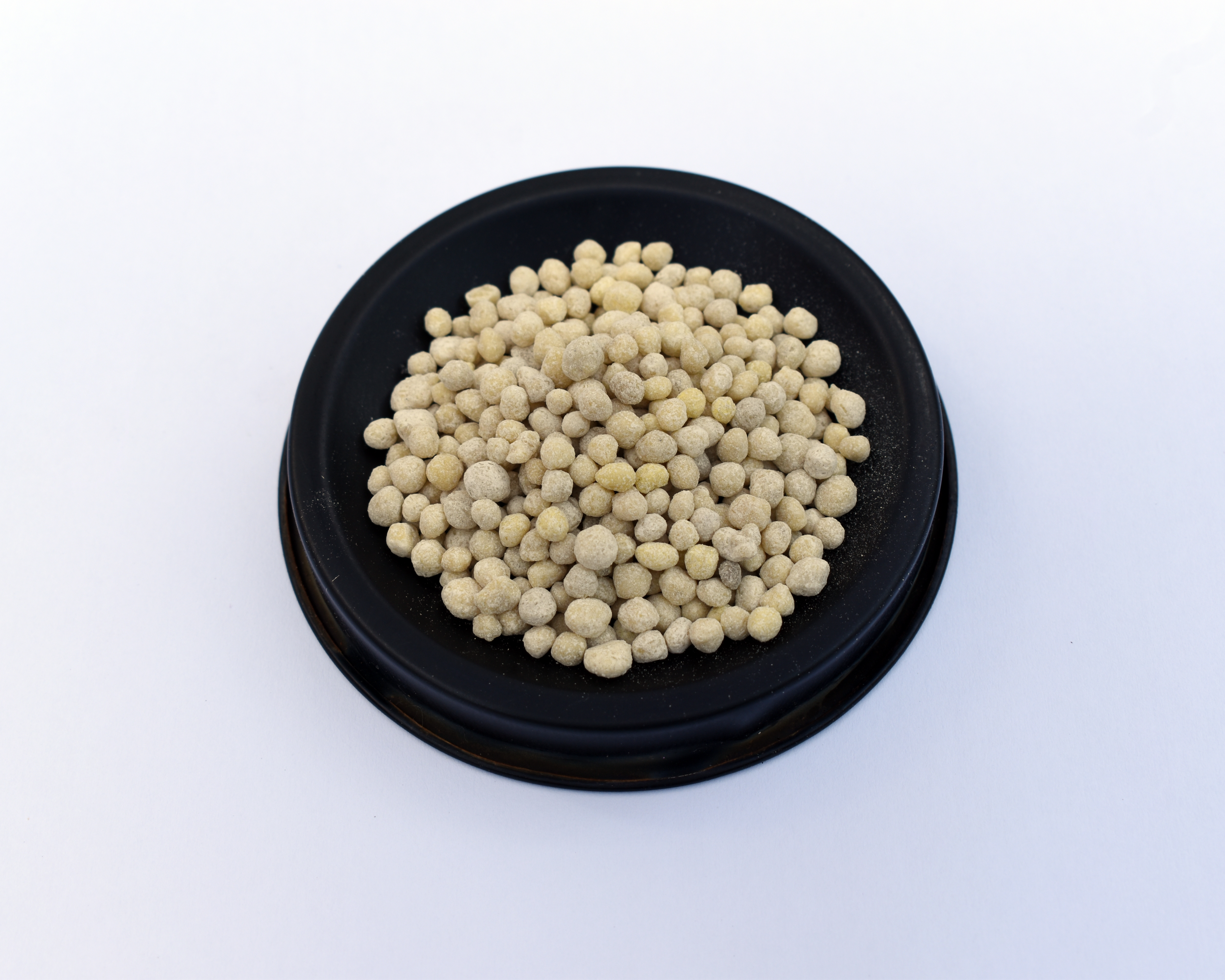
A proclamation signed by President Donald J. Trump on 29 June 2026 temporarily lifted countervailing duties on certain phosphate fertilizer imports; USDA estimated prices would fall by about 22 percent, saving farmers some $1.82 billion a year.
A two-kilogram "king hilsa" sold for Tk 9,300 in Bhola, bought by a wholesale trader named Momin Talukder who supports Brazil at the football World Cup.
Vapour heat treatment is mandatory for mango exports but still limited in Bangladesh, adding time and cost for exporters, said fruit expert Dr. Md. Mehedi Masud.
 Crops
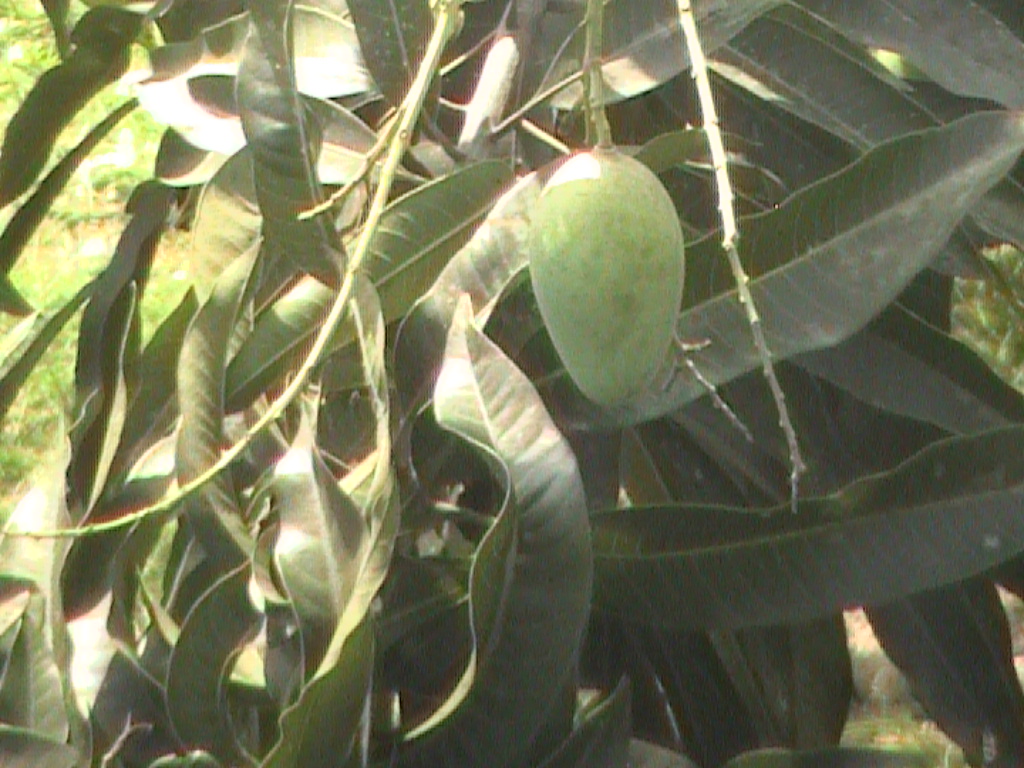
CropsAt a Jago News round table in Dhaka on 27 June 2026, agricultural economist Dr Jahangir Alam Khan said only a tiny share of Bangladesh's fruit is exported and called on the country's embassies to work harder to find new markets.
Building at least 10 skilled SMEs in each of Bangladesh's 64 districts, along with cold chain expansion, easy finance and public-private partnership, could transform agro processing within a decade, speakers said.
Not every mango is equally good for juice; the best are fibreless, sweet and have thick pulp, and a handful of varieties dominate juice-making at home and abroad.
Fruit expert Dr Md Mehedi Masud has demanded that those who destroyed farmers' fruit in the name of formalin be brought to justice and that the affected farmers be compensated.
 Agribusiness
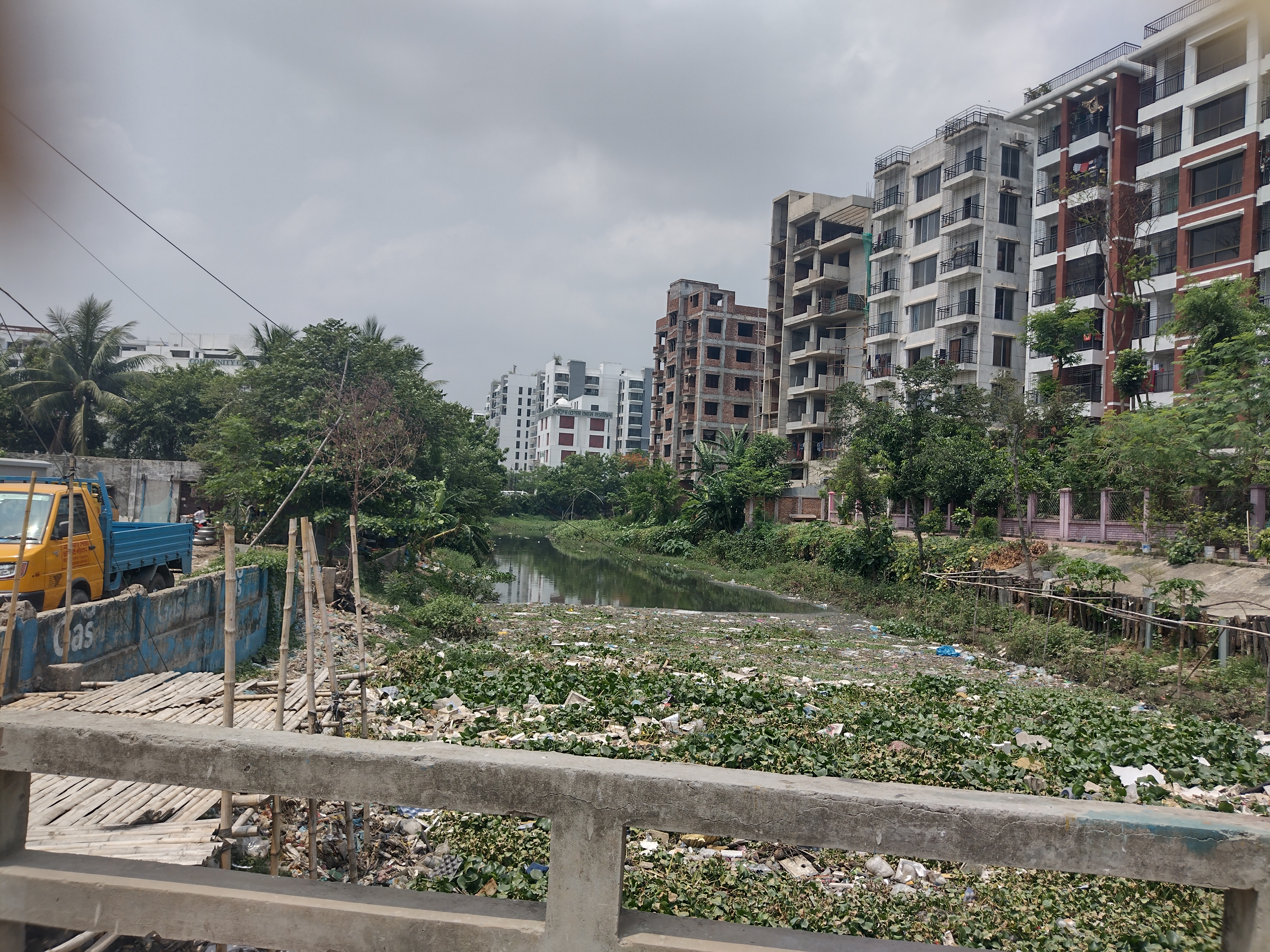
On 29 June 2026, Dhaka North City Corporation administrator Md Shafiqul Islam Khan said 29 canals under the corporation, including Muslim Bazar canal, would be freed from illegal occupation in phases on the Prime Minister's instructions. He announced it while opening a tree-planting drive that is part of a five-lakh-tree programme.
A python has been rescued from a hardware shop at Nildumur Bazar next to the Sundarbans in Shyamnagar upazila of Satkhira.
Without storage, processing technology, good packaging and easy certification, large amounts of Bangladesh's mangoes go to waste, Naogaon agri-entrepreneur Sohel Rana said.
Recalling the neem trees Bangladesh planted in Saudi Arabia under the late President Ziaur Rahman, Prime Minister Tarique Rahman urged everyone to plant more trees to protect the environment and keep the country liveable.
Although Bangladesh produces more fruit, large quantities rot in season, and the fruit-processing industry cannot develop sustainably without a bigger budget for agriculture and horticulture, says economist Dr Jahangir Alam Khan.
Chapainawabganj dried fruit entrepreneur Ismail Khan Shamim says small and medium enterprises must be brought in if Bangladesh is to build a Thailand-style market for processed fruit.
 Agribusiness
A World Bank Group report released on June 29, 2026 estimated that an extra US$12 billion a year for water-efficient irrigation and farm innovation, with policy reform, could help create 5 million jobs in the region by 2050 and lift cereal yields by 72 percent.