

Bangladesh's agriculture faces a new reality. A country that once relied on international aid to cover its food deficit has now reached one of the top positions in the world in fruit production. Output of mango, jackfruit, guava, lychee, pineapple, banana, dragon fruit, malta and many other local and foreign fruits has risen steadily. Farmers' hard work, advances in agricultural research and various government initiatives have together brought a quiet revolution in the country's farming.
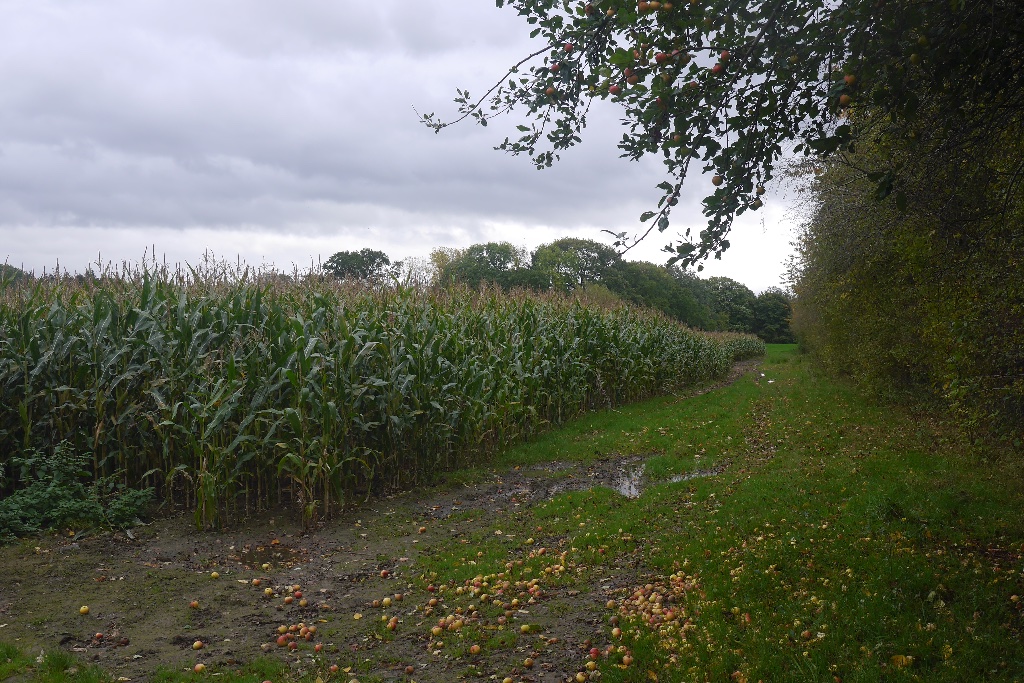
Behind this success, however, lies a deep crisis. A large share of the fruit produced spoils before it reaches consumers. Wealth grown with farmers' sweat turns into waste, and success in production no longer becomes economic success.
Tk 25,000-50,000 crore lost a year
Alarming information emerged at a recent round table on "Fruit Processing: Problems and Prospects" organised by Jago News. According to the discussants, fruit worth around Tk 25,000 crore to Tk 50,000 crore is lost every year because the country lacks adequate processing facilities. The loss is not the farmers' alone; it is a huge loss to the national economy, and it also hurts food security, nutrition, employment and export prospects. It raises an important question: will Bangladesh remain only a fruit-producing country, or will it build a strong position in the global market through value addition?
A key feature of fruit production in Bangladesh is its seasonal concentration. Most fruit reaches the market in a few months of the year. This creates oversupply on one side, while farmers do not get fair prices on the other. They are often forced to sell below the cost of production, and large quantities of unsold fruit rot.
According to experts, the country produces around 1.52 crore tonnes of fruit a year, but about 65 per cent of it comes to market in only four months, putting severe pressure on storage, transport and market management. If a large share of this seasonal fruit could be turned into juice, pulp, puree, jam, jelly, dried fruit, fruit powder or other high-value foods, farmers would benefit and supply of these products could be assured all year round.
A system without coordination
The problem is not only a shortage of factories; it reflects an uncoordinated system. Research institutes develop new technology, but in many cases it never reaches entrepreneurs. There is a lack of effective communication and coordination among the four pillars: the Department of Agricultural Extension (DAE), the Department of Agricultural Marketing, research institutes and private industry. As a result, innovation stays in the laboratory and does not become industry.
Another major problem is that farmers' income still depends mainly on selling raw produce. Yet the developed farm economies of the world realised long ago that the real profit lies not in production but in value addition. When a farmer sells a raw mango, his income is limited. But if that mango is turned into pulp, juice, mango bars, amshotto (mango leather) or exportable food products, the same raw material creates several times more economic value.
The experience of India, Thailand, Vietnam and the Philippines offers clear examples. These countries do not just grow fruit; they have turned fruit into an industry, and a huge market has grown for their processed fruit products on international e-commerce platforms. Bangladesh has the same capacity. What it needs is planned investment, quality control and a production system suited to international markets.
Export potential and infrastructure gaps
The export potential is also huge. The global market for healthy, natural and fruit-based food products is expanding fast. In Europe, the Middle East and North America, demand for such products is rising among local consumers as well as expatriate Bangladeshis. But because of limitations in international standards, safe food production, traceability, modern packaging and the cold chain, Bangladesh has not yet built the position it wants in those markets.
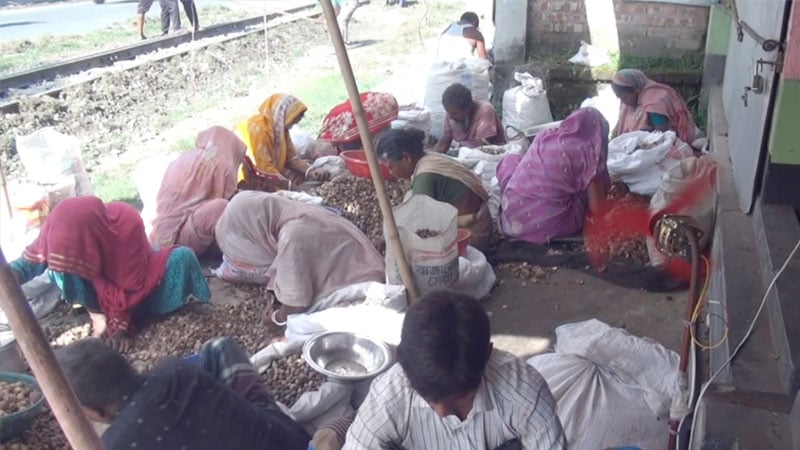
Weak infrastructure is another major barrier. There is not enough cold storage, there are no modern collection centres, and in many areas refrigerated transport for fruit has not developed. A huge amount of fruit therefore spoils on the way from farm to market, and farmers often do not even know where they could sell their fruit for a better price.
The situation in the Rajshahi region reflects the problem. Mango output there was a record this year, yet many farmers did not get the prices they expected because of a lack of processing industry and storage. Had a mango-based industry grown in the region, it would not only have raised farmers' incomes but also created jobs for thousands of people.
Fruit processing is not only agriculture; it is an important sector for industry, trade, the development of women entrepreneurs, small and medium enterprises and foreign-exchange earnings. The livelihoods of thousands of people are linked directly and indirectly to a medium-sized fruit processing factory. Farmers, transport workers, the packaging industry, marketing firms, technicians and food engineers all become part of this value chain.
Policy decisions needed now
Some policy decisions are now needed to take the sector forward. Special economic clusters could be built around fruit-growing areas, with cold storage, collection centres, laboratories, processing factories and export facilities in the same area. This would cut transport costs, reduce waste and make the whole supply chain from producer to consumer more efficient.
Attracting private investment is also essential. The fruit processing industry needs long-term, low-interest loans, tax benefits, incentives for importing technology and support for achieving international standards. At the same time, effective arrangements for joint research and technology transfer must be built between universities, research institutes and industry.
The media's role is also very important. For a long time many promising issues in the country's agriculture stayed outside public debate. The way the media has recently begun discussing the fruit processing industry can play a positive role in drawing policymakers' attention, because development does not come from government policy alone; public opinion is also one of its driving forces.
Bangladesh has already proved its capacity to produce fruit. What is needed now is to turn an economy of production into an economy of value addition. The goal for the coming days should be that every drop of the farmer's sweat becomes national wealth. News of rotting fruit should no longer be our national reality; instead, high-quality products made from Bangladeshi fruit should build a new identity in the world market.
A country's development cannot be judged by the volume of production alone; it is judged by how efficiently that production is turned into wealth. Bangladesh's fruit sector stands at that crossroads today. With the right policy, science-based planning, industrialisation, entrepreneur development and coordinated action, fruit processing could become one of the country's leading foreign-exchange earners in the coming decade. If this chapter of waste can be turned into a history of value addition, that will be the next big revolution in Bangladesh's farm economy.
The writer is a journalist, columnist and deputy editor of Jago News.
Source: Jagonews24. First published in Bengali on The Agro News.
Comments
(0)