
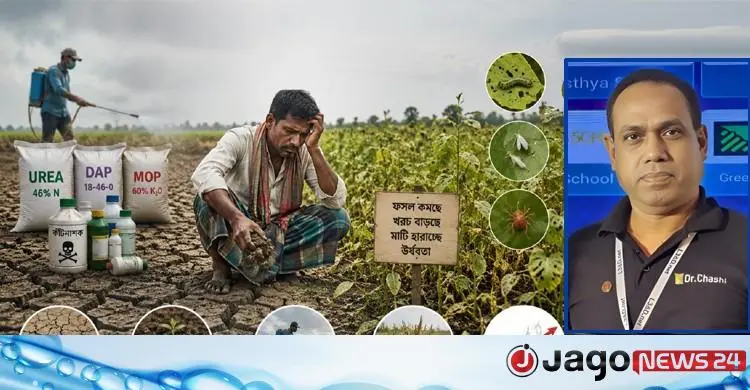
Bangladesh's agriculture faces three linked crises: sick soil, excessive chemical fertiliser and unnecessary pesticide use. In the race to raise output, the writer warns, it is easy to forget that healthy soil is the foundation of production, and when soil health declines, farming, the environment, public health and food security are all at risk.
Much of the country's success in food production over recent decades came from heavy use of chemical fertilisers and pesticides. Helpful at first, their long-term use without scientific guidance is now a threat: soil organic matter is falling, beneficial microbes are being destroyed, pH balance is being lost and nutrient cycles are breaking down. Farmers must use ever more fertiliser for the same yield, a vicious cycle that makes farming costlier and less safe.
The problems
- **Excess nitrogen:** Many farmers believe more fertiliser means more yield. Excess urea wastes money, upsets soil chemistry, causes other nutrient deficiencies and pollutes groundwater and surface water, where nitrogen and phosphorus trigger algal blooms that harm fish and aquatic life.
- **Indiscriminate spraying:** Pesticides are often sprayed before a pest is confirmed, killing beneficial insects, bees, spiders, pollinators and soil microbes, and increasing pest resistance so that stronger, costlier chemicals are needed and residues in food rise.
- **Low organic matter:** In most farmland organic matter is below the desired level, reducing water retention, nutrient holding and microbial activity.
The way forward
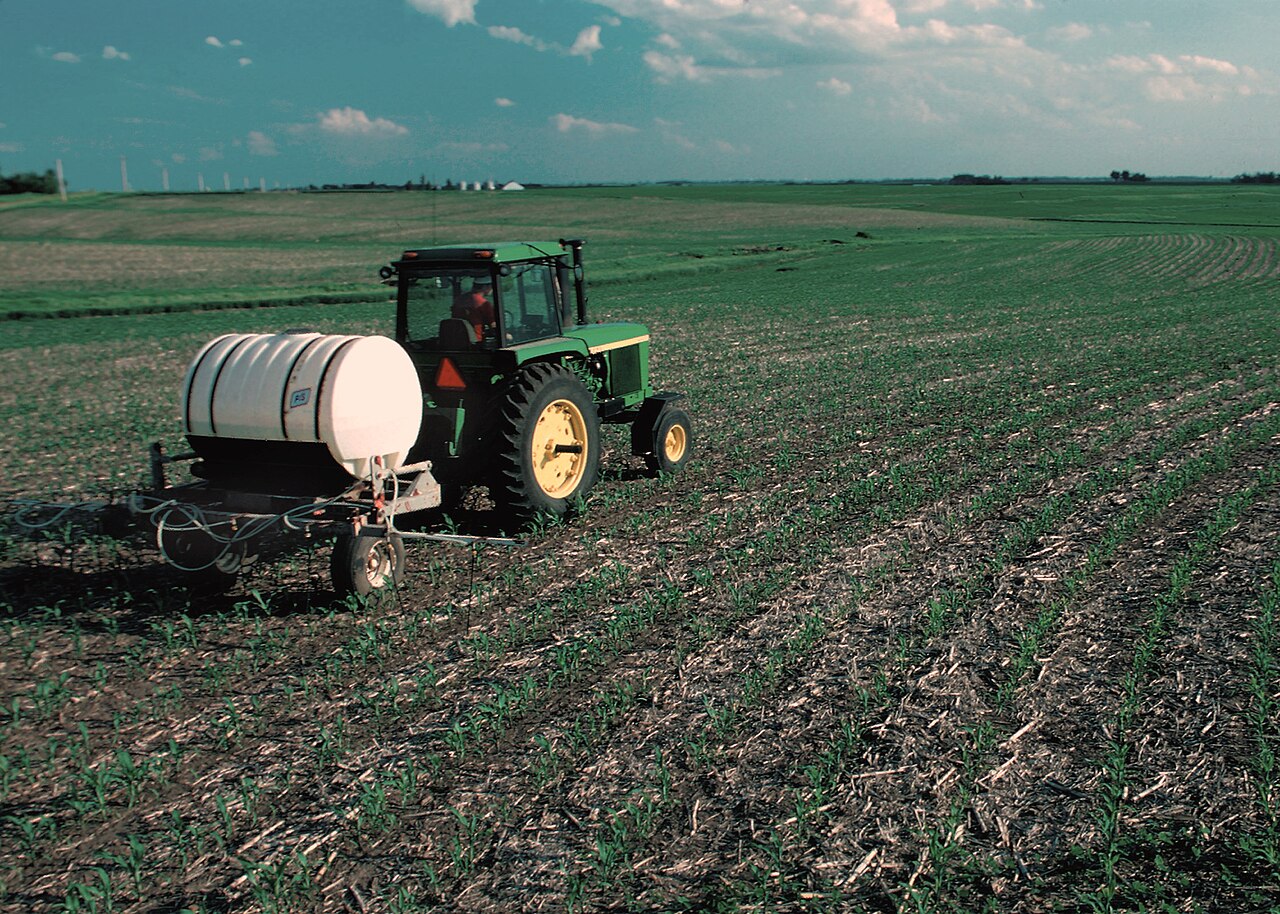
- Soil test-based, balanced fertiliser management, with specific doses of urea, TSP, MOP and other nutrients for each field.
- Wider integrated pest management (IPM), combining biological, mechanical and cultural methods with chemicals only when needed.
- Digital farming technology: Artificial Intelligence (AI), the Internet of Things (IoT), remote sensing, drones and big data to determine nutrient status, pest attacks and fertiliser needs precisely.
- Farmer training and awareness, modern ICT-based extension, and strict control of adulterated fertiliser and pesticides.
- Coordinated work by research institutes, universities, government and the private sector on regional soil health maps, nutrient management plans and climate-resilient technologies.
- More use of cow dung, compost, green manure and crop residues to restore soil health.
Conclusion
If soil health is not protected, the writer warns, production will suffer, costs will rise, incomes will fall, pollution will worsen and the safe food crisis will deepen. The writer calls for a national commitment to "save soil, save agriculture, ensure safe food", arguing that healthy soil is the foundation of safe food and a healthy, prosperous nation.
Source: Jagonews24. First published in Bengali on The Agro News.

Comments
(0)