
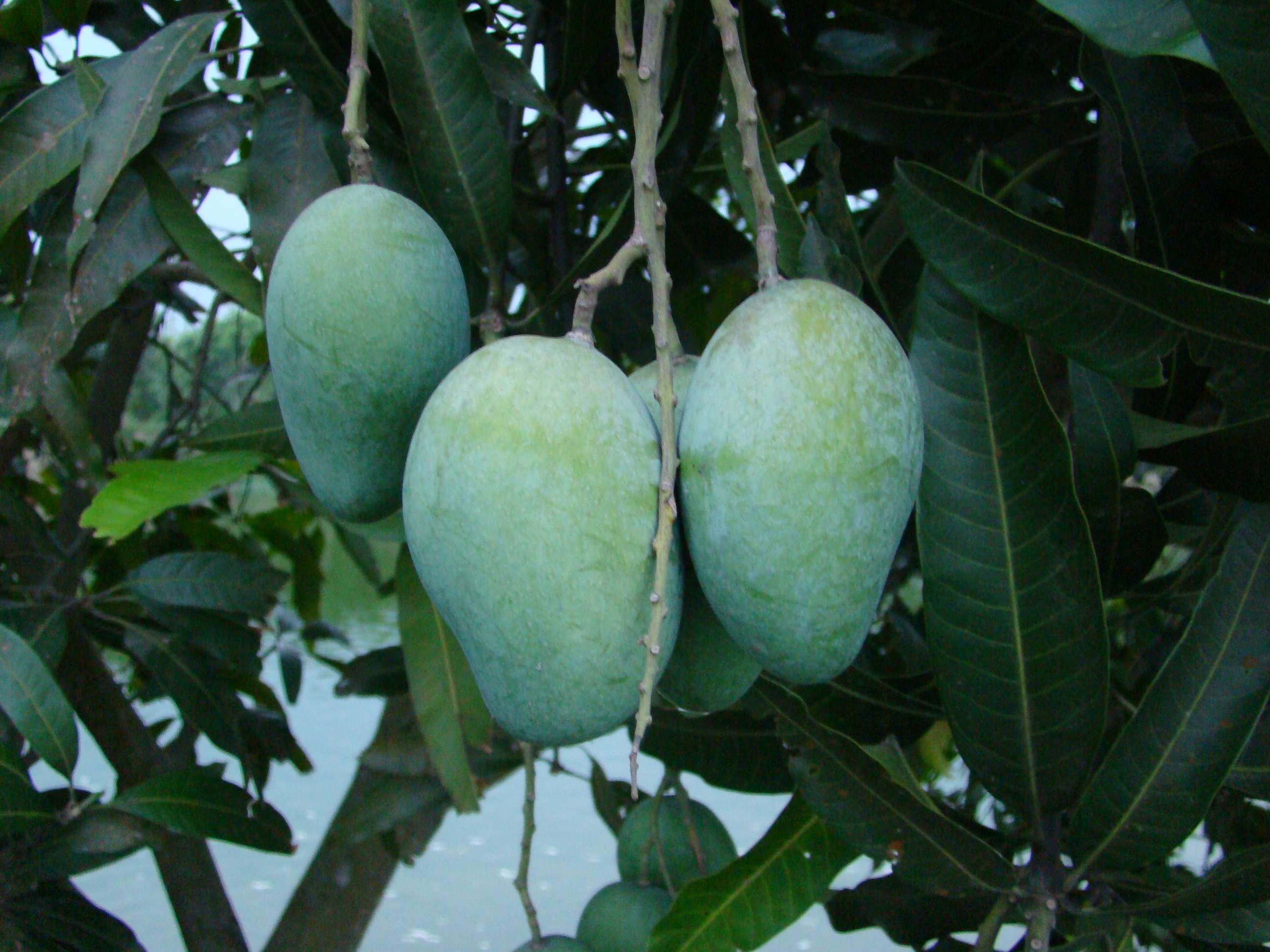
Vapour heat treatment (VHT), which mango exports require to rid the fruit of pests, was still in limited use in Bangladesh, fruit expert Dr. Md. Mehedi Masud, former director of the Year-Round Fruit Production Project, said on Saturday, 27 June 2026. Speaking at a roundtable titled "Fruit Processing: Problems and Prospects" at the Jagonews24 office in Badda, Dhaka, he said every mango should be freed of insects and pathogens with modern VHT before export, but infrastructure limits were forcing exporters to bear extra time and cost.
What vapour heat treatment does
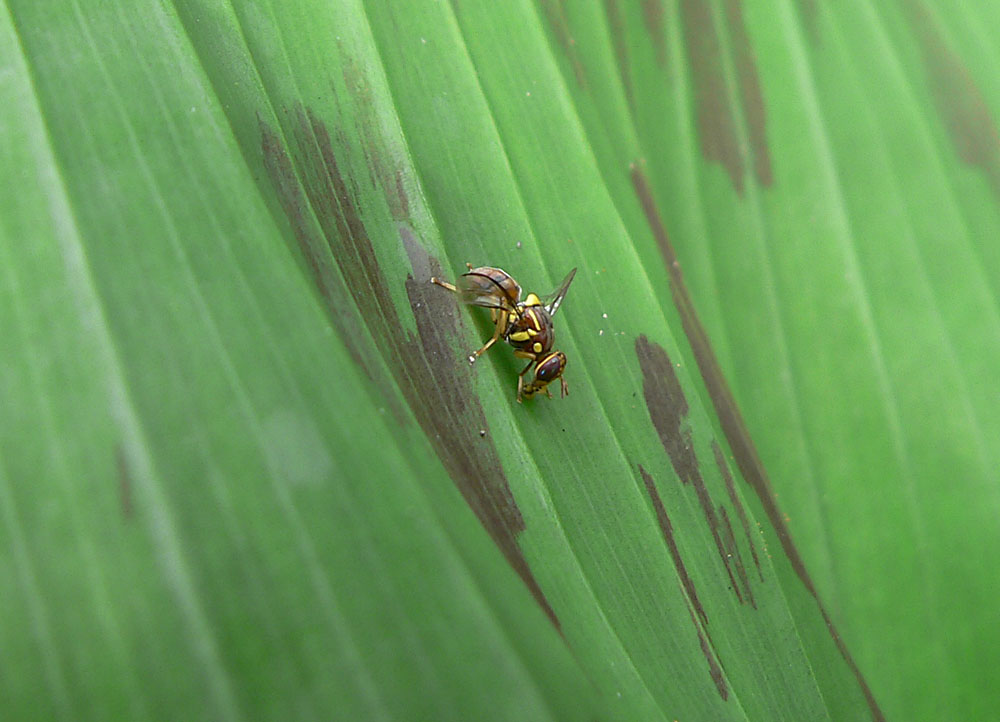
VHT is a heat-treatment process that kills fruit fly eggs, larvae and other harmful pests that may be inside the fruit, and it is one of the conditions for sending fresh mangoes to strict markets such as Japan. In 2017 the International Plant Protection Convention (IPPC), hosted by the UN Food and Agriculture Organization, adopted an international standard for vapour heat treatment of mango. Under it, fruit is held in a vapour heat chamber at an air temperature of 48 °C or above and at least 95 percent relative humidity until the core of the fruit reaches 47 °C or above.
Prothom Alo reported on 31 May 2026 that a VHT facility had been set up at Gabtoli in Dhaka. The fresh-produce trade publication FreshPlaza reported on 9 June that the Bangladesh Agricultural Development Corporation (BADC) facility could treat around three tons of mangoes a day, and that it also handled other produce such as starfruit, malta, litchi, guava, dragon fruit and several vegetables.
Large harvest, small exports
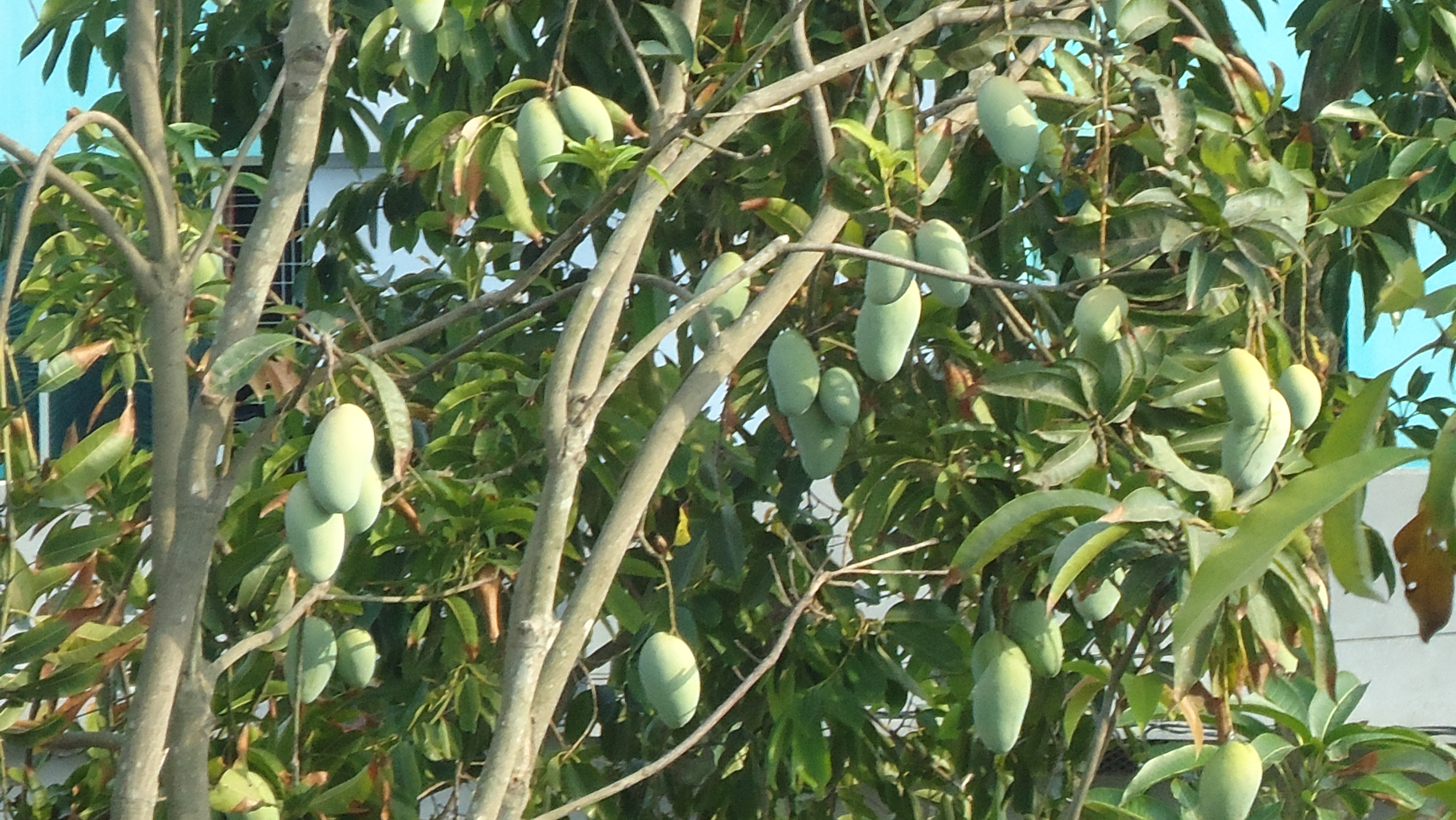
According to FreshPlaza, Bangladesh grows an estimated 2.4 to 2.5 million tons of mangoes a year, yet exports only a small share. Citing Department of Agricultural Extension (DAE) data, Prothom Alo reported exports of 3,100 tonnes in 2023, 1,321 tonnes in 2024 and 2,188 tonnes in 2025. To open the Japanese market, the DAE's Plant Quarantine Wing was working on Japan's request for additional scientific information on 16 quarantine pests that earlier submissions had not fully addressed.
At the roundtable, Dr. Masud said developed countries use laser technology to check fruit quality and that Bangladesh should introduce it so export fruit can be sorted to a higher standard. He named freight as another major barrier: if sending a kilogram of fruit abroad costs several hundred taka, he said, competing internationally becomes hard, so special incentives for exporters and lower transport costs were urgent.
Dried fruit, hill land and new crops
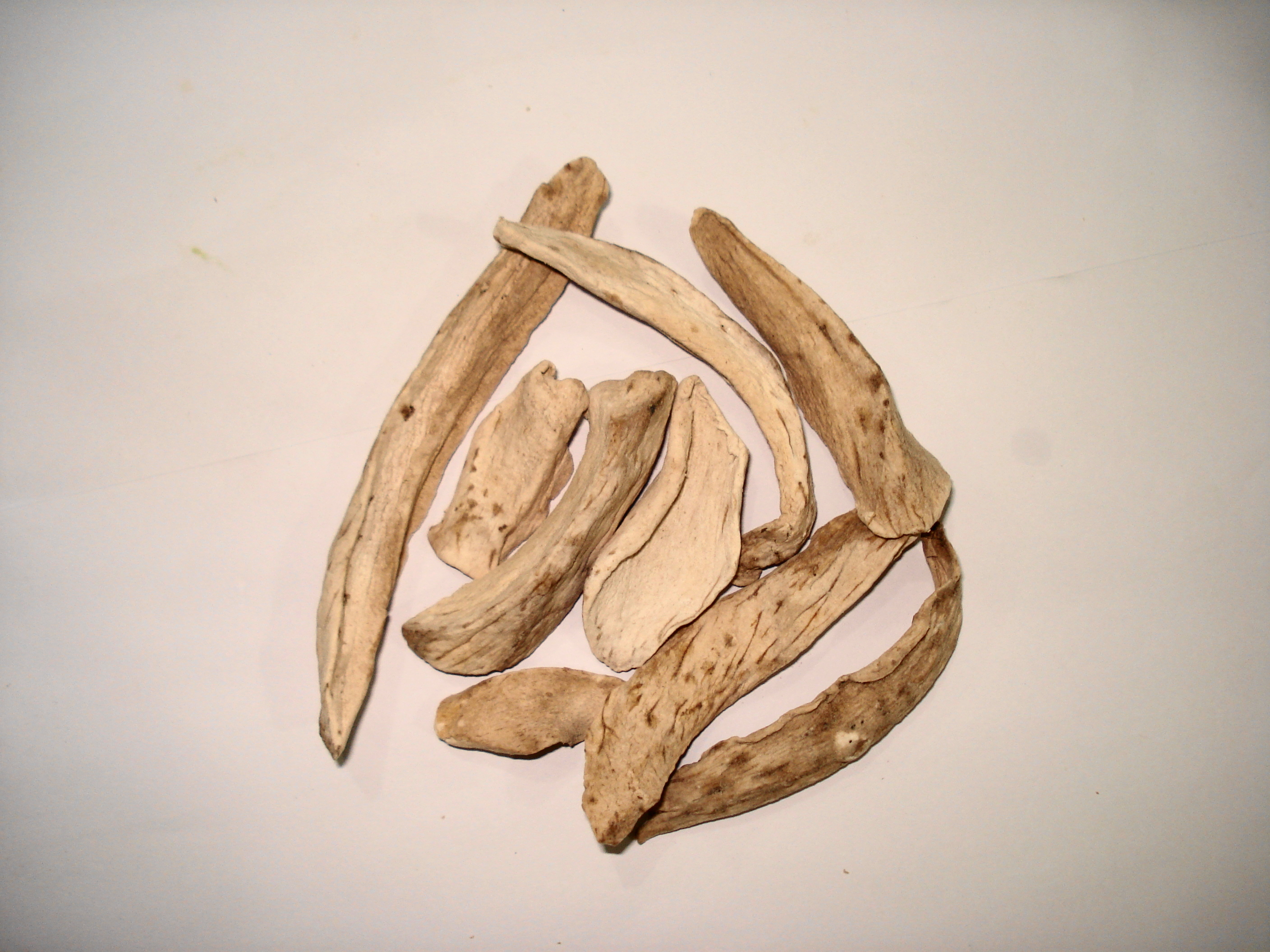
He said Europe has a huge market for dehydrated or dried fruit, and building a dried-fruit processing industry in Bangladesh would open new export markets. He called for bringing the large fallow areas of the hill regions under fruit cultivation, noting that fruit is grown in hill areas almost everywhere in the world while Bangladesh had yet to use that potential; with irrigation, he said, commercial fruit farming in the hills could open a new horizon for agriculture and the economy.
Research institutes, he argued, should develop quality technology packages for new fruits such as grapes and give farmers technical support rather than focusing only on selling saplings. If processing, modern storage, better export technology and year-round production were ensured, the fruit sector could become one of the main drivers of the economy, he said.
The roundtable was moderated by Jagonews24 editor K. M. Zeaul Haque. Other participants included agricultural economist Dr. Jahangir Alam Khan; Dr. Md. Golam Ferdous Chowdhury, chief scientific officer of the Postharvest Technology Division at the Bangladesh Agricultural Research Institute; Mohammad Arifur Rahman, director of the DAE's Exportable Mango Production Project; BSTI deputy director Enamul Haque; PRAN Group managing director Elias Mridha; Hashem Foods managing director Md. Abul Hashem; Md. Iktadul Haque, former general secretary of the Bangladesh Agro-Processors' Association; CAB vice-president S. M. Nazer Hossain; Md. Mahatab Ali, executive director of Kaju and Coffee Agro; and agri-entrepreneurs Ismail Khan Shamim of Chapainawabganj and Sohel Rana of Naogaon.
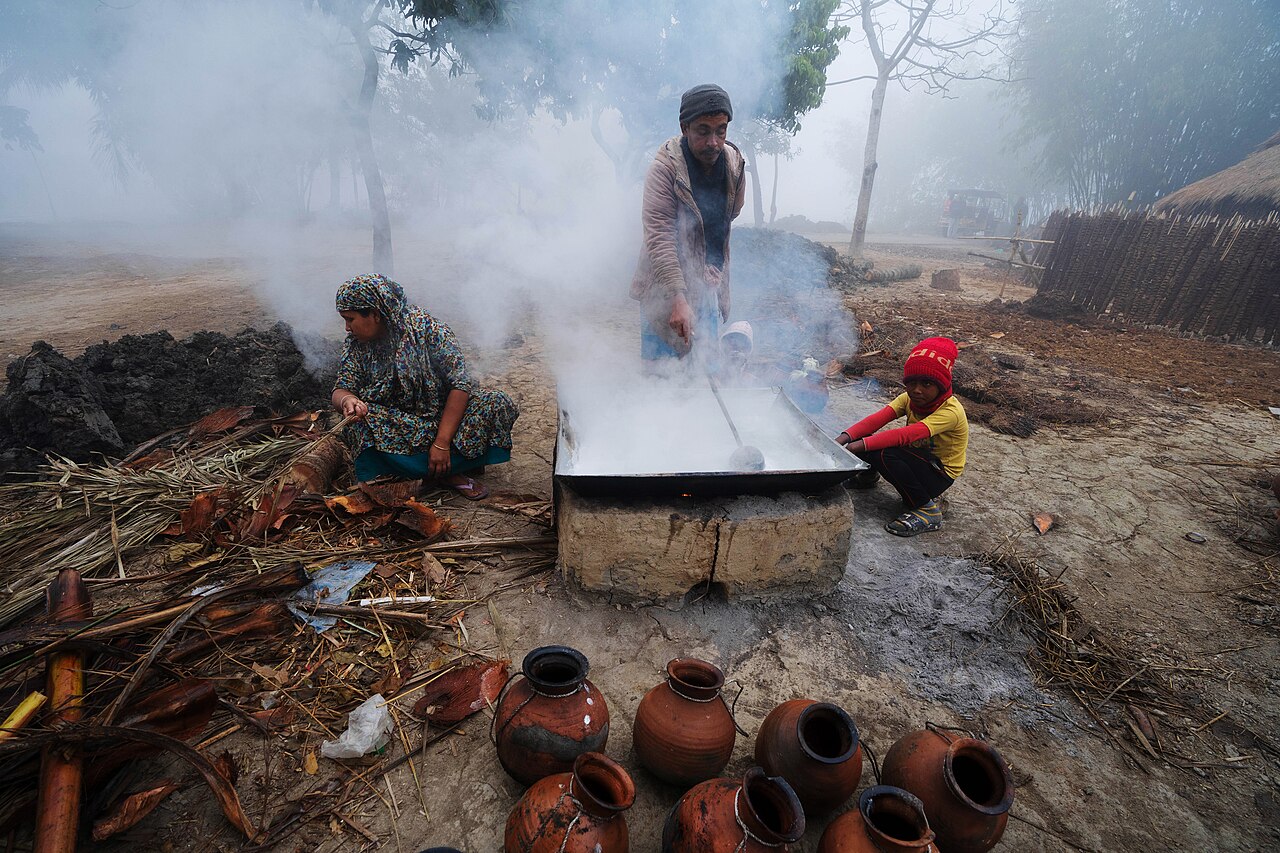
Photo: Shahnoor Habib Munmun / Wikimedia Commons (CC BY 3.0)
Sources: Jagonews24, Prothom Alo, FreshPlaza, International Plant Protection Convention (IPPC, FAO)
Comments
(0)