
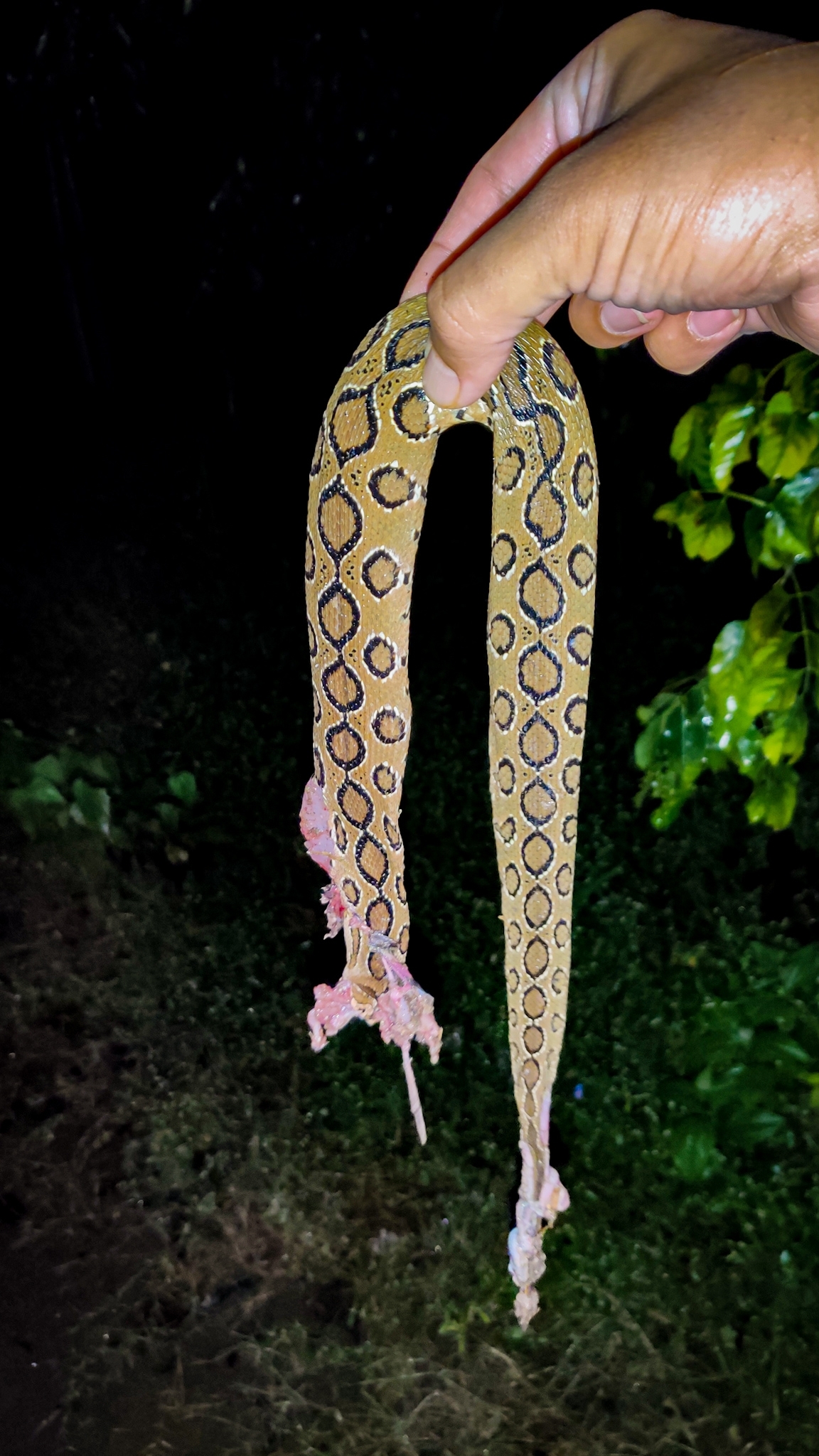
At dawn on Tuesday 30 June 2026, a live Russell's viper was found in a fishing net set in the Padma River in Harirampur upazila, Manikganj. It happened in the Harukandi area of the river's char lands. The fisherman, Sujon, did not kill the snake but brought it to the local Andharmanik ferry ghat, and the upazila forest officer then moved to hand it over to the Forest Department, Jagonews24 reported. Jugantor, Jamuna Television and Ekhon TV reported the event the same day.
A venomous snake in a Padma fishing net
Citing local sources, Jagonews24 said Sujon, a fisherman from the Andharmanik area of the upazila, set his net in the Padma on Monday night. When he pulled it up at dawn on Tuesday he found a live Russell's viper in it. Instead of killing it, he kept it inside a net and brought it to the ferry ghat.
"I caught the snake without killing it. I kept it in case it can be used for research in the country," Sujon said. As word spread, curious people crowded the ghat, and locals informed the upazila administration.
Handover to the Forest Department
Harirampur upazila forest officer Md Shariful Islam told Jagonews24 that the snake had been brought in with the help of Snake Rescue Team Bangladesh. As it had been rescued alive, the process of handing it to the Forest Department was under way, and further steps would be taken under expert supervision.
A viper in a fisherman's net was not new to the area. Desh Rupantor reported that on 26 June 2024 a Russell's viper was caught in a fisherman's net in the Padma in Narisha union of Dohar upazila, Dhaka, which borders Harirampur. Members of Snake Rescue Team Bangladesh came from Dhaka, moved the snake from the net to a basket with safety precautions and took it for research. Team member Rakibul Islam said then that the snake was quite shy and useful to the environment.
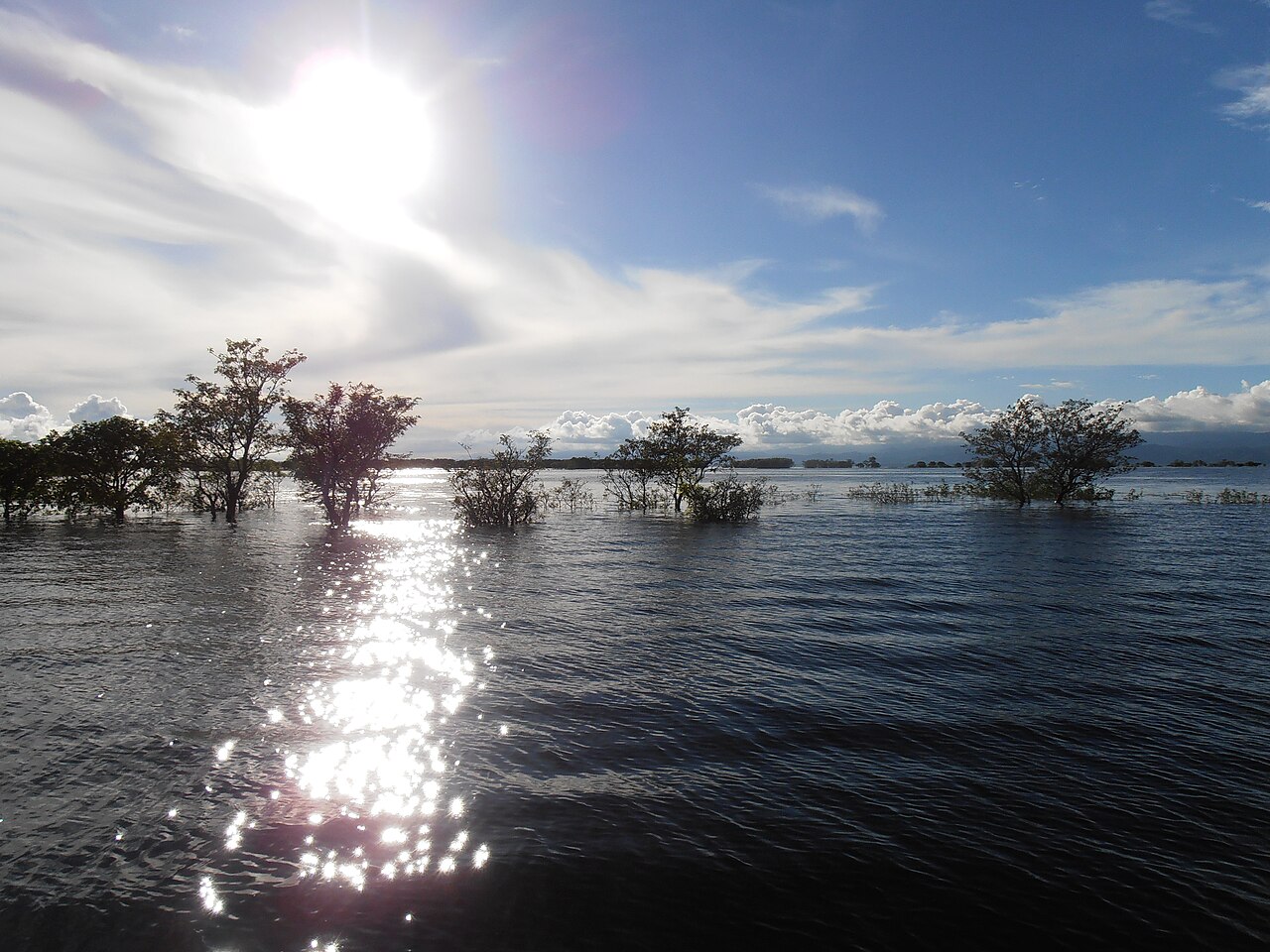
The Russell's viper and the Padma chars
The Russell's viper (Daboia russelii), known in Bengali as chandrabora, is one of South Asia's "Big Four" venomous snakes. It averages about 120 cm in mainland Asia, lives in open grassy or bushy areas and on farmland, and feeds mainly on rodents. In June 2024 the Ministry of Environment, Forest and Climate Change said the snake avoids settlements, blends easily with the soil and, as a skilled swimmer, spreads with river currents and floodwater. It strikes out of fear when someone comes near unawares.
Professor Fareed Ahsan of Chittagong University's zoology department told BBC Bangla that the viper reached the Manikganj chars along the Padma basin and had been seen more often since 2013, moving from the Padma chars along branches and tributaries with water hyacinth. Desh Rupantor, citing him on 3 June 2024, reported that at least five people had died of its bites in parts of Manikganj in the previous three months.
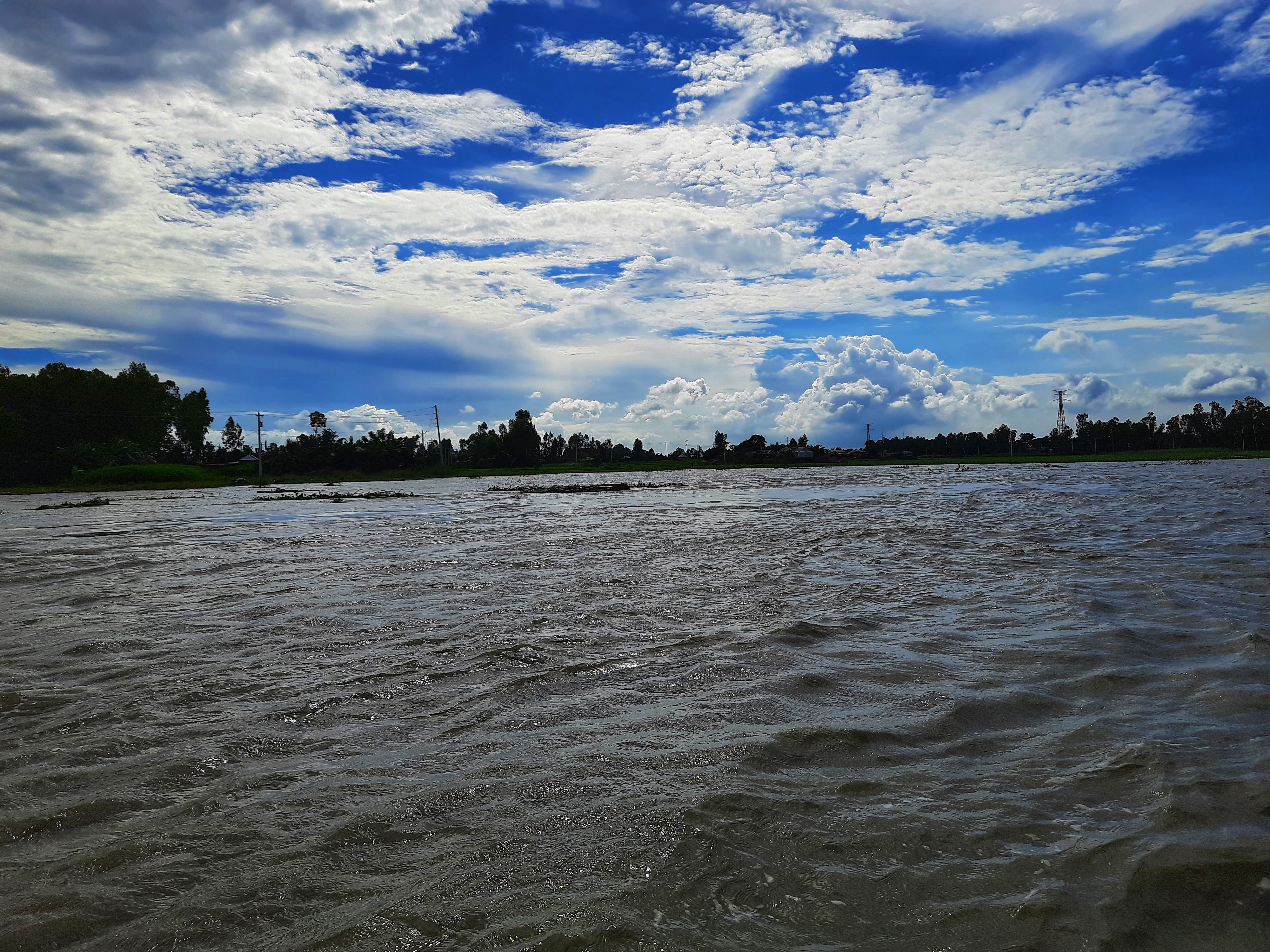
The Dhaka Tribune reported on 29 June 2024 that a team from the Deep Ecology and Snake Conservation Foundation had visited four chars in Harirampur, from which reaching the mainland takes at least an hour by trawler. Zohra Mila of the Forest Department told the paper that the Russell's viper does not attack people unless threatened. Harirampur covers 245.42 square kilometres in 13 unions, Harukandi among them, and the Padma forms part of its boundary.
What to do on seeing a snake, and after a bite
Although the fisherman in this case brought the snake ashore alive, the ministry's advice is never to try to catch or kill a Russell's viper, and to call the national helpline 333 or the nearest Forest Department office instead. It said Russell's viper antivenom is available free at the nearest government hospital.
The World Health Organization's advice after a snakebite:
- Keep the bitten person still and do not let them move around at all.
- Carry them on a makeshift stretcher to medical care without delay.
- Do not use narrow tourniquets, cut the wound or limb, apply chemicals such as potassium permanganate or use heated glass containers for suction: these are dangerous as well as ineffective.
- Remedies such as the "black stone" are ineffective and waste valuable time.
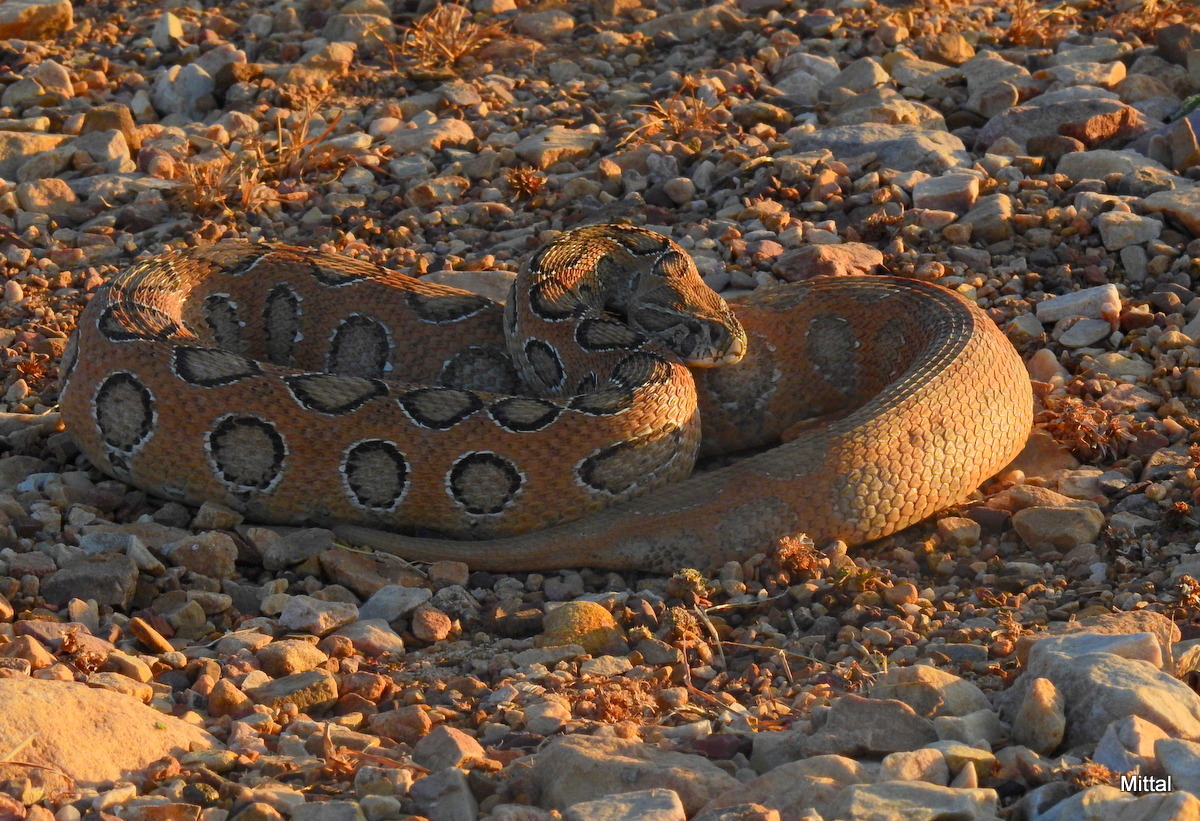
Photo: Chayant Gonsalves / Wikimedia Commons (CC BY 4.0)
Sources: Jagonews24, Dhaka Tribune, Desh Rupantor, Prothom Alo (Ministry of Environment, Forest and Climate Change guidance), World Health Organization, Wikipedia
Comments
(0)