
On the morning of Saturday 27 June 2026, Jago News held a round table titled "Fruit Processing: Problems and Prospects" at its office in Badda, Dhaka. Agricultural economist Dr Jahangir Alam Khan told the meeting that only a very small share of the fruit grown in Bangladesh is exported, and that entrepreneurs cannot raise it on their own. The government's economic diplomacy, he said, had to become more effective.
In his view, Bangladeshi embassies and diplomatic missions abroad needed to play a far more active part in creating new markets and supporting exporters. He also wanted more regular visits by foreign buyers and diplomats to the areas where fruit is grown.
Markets beyond mango
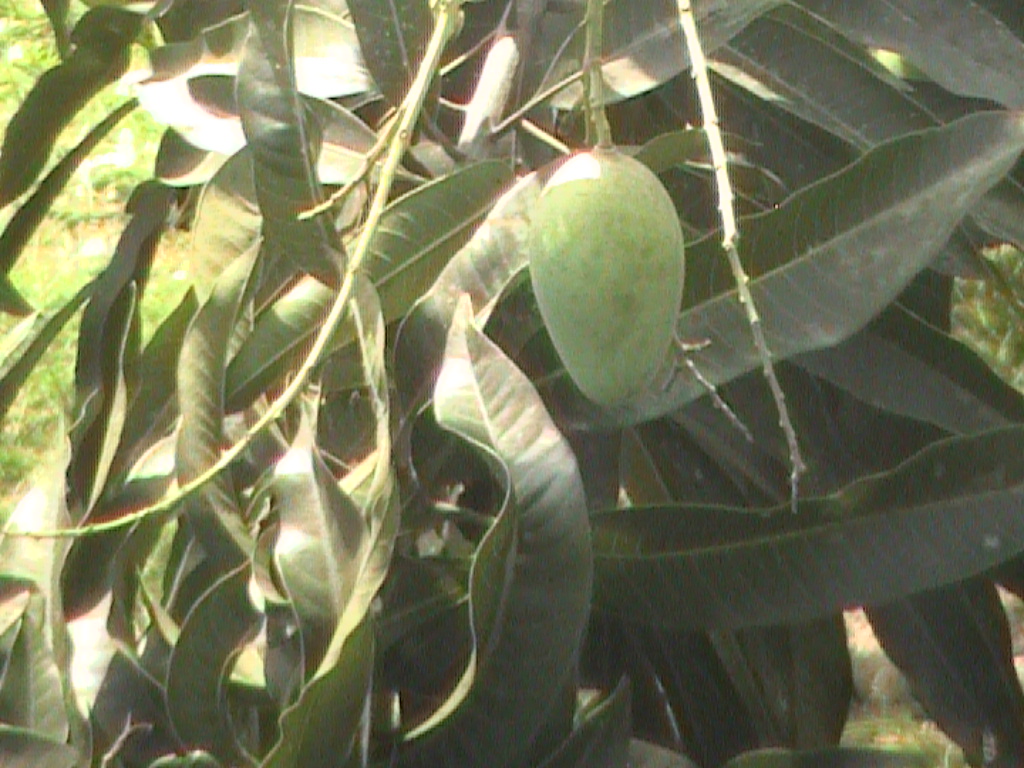
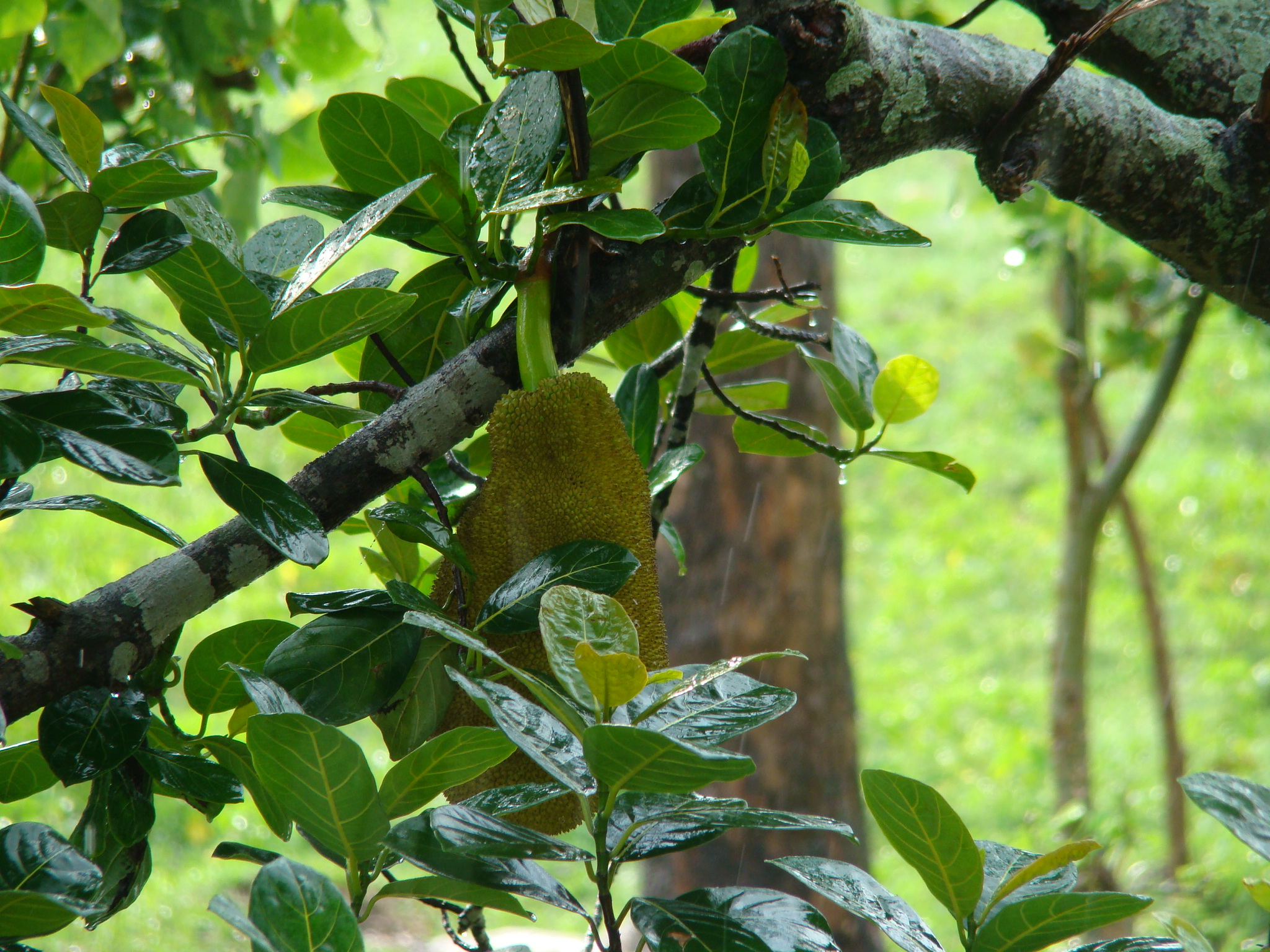
Referring to the memorandum of understanding with China on mango exports, Dr Jahangir Alam said new markets had to be found not only for mango but for jackfruit and other fruits as well. Bangladesh has great potential to export mango, he added, but actual exports remain very small.
Opening the Chinese market had taken years. According to The Daily Star, Bangladesh applied for approval to export mangoes to China in 2019, and China's General Administration of Customs (GACC) granted export registration in July 2024. The first shipment left on 28 May 2025. Agriculture Secretary Dr Mohammad Emdad Ullah Mian told The Business Standard at the time that about 50 tonnes would go to China that year, that talks on larger volumes were under way and that the government was also working on jackfruit exports. New Age reported that China had shown interest in Bangladeshi guava and jackfruit too.
The gap between output and exports was wide. The Business Standard reported in May 2025 that Bangladesh produces about 2.7 million tonnes of mangoes a year, while mango exports in 2023-24 came to only 1,321 tonnes.
Weak links from field to storage
Research institutes develop new fruit varieties, Dr Jahangir Alam said, but these do not always reach farmers' fields effectively, and many growers do not get advice or technical support in time. He called for more staff and capacity at the Department of Agricultural Extension (DAE) to improve its service to farmers.
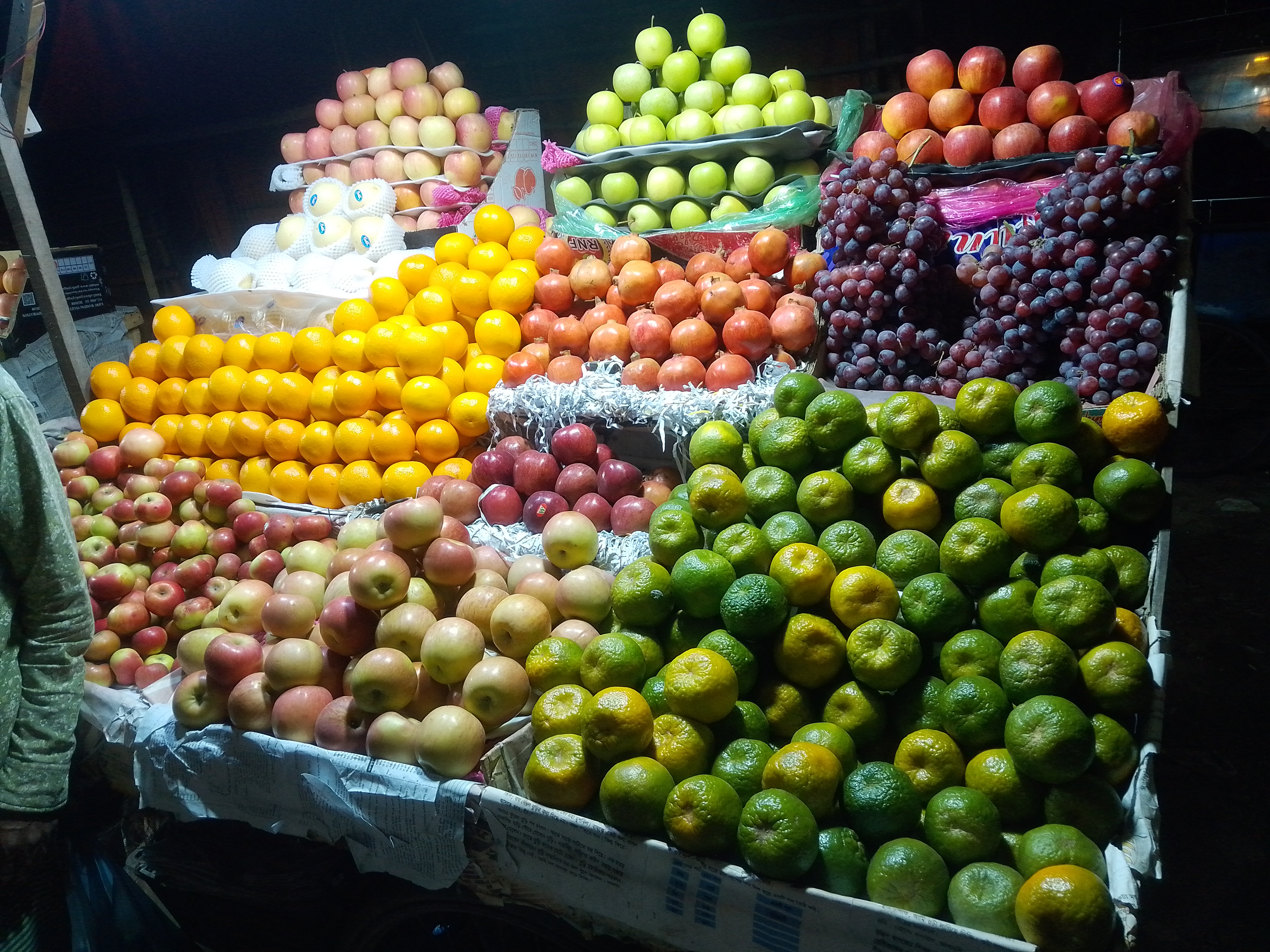
Fruit prices fall during the season and then rise abnormally out of season, he said. To narrow that gap, Bangladesh needed an effective cold chain, modern warehouses and proper storage. These ideas had been discussed for a long time, he said, but implementation had not made the progress hoped for.
Export infrastructure and coordination
He also urged special export zones in areas that grow exportable fruit, more vapour heat treatment (VHT) facilities, guaranteed cargo space on aircraft and lower transport costs. Without coordinated work by the DAE, the Department of Agricultural Marketing, entrepreneurs, exporters and the government, he said, the sector would not achieve the success it is capable of.
Who took part
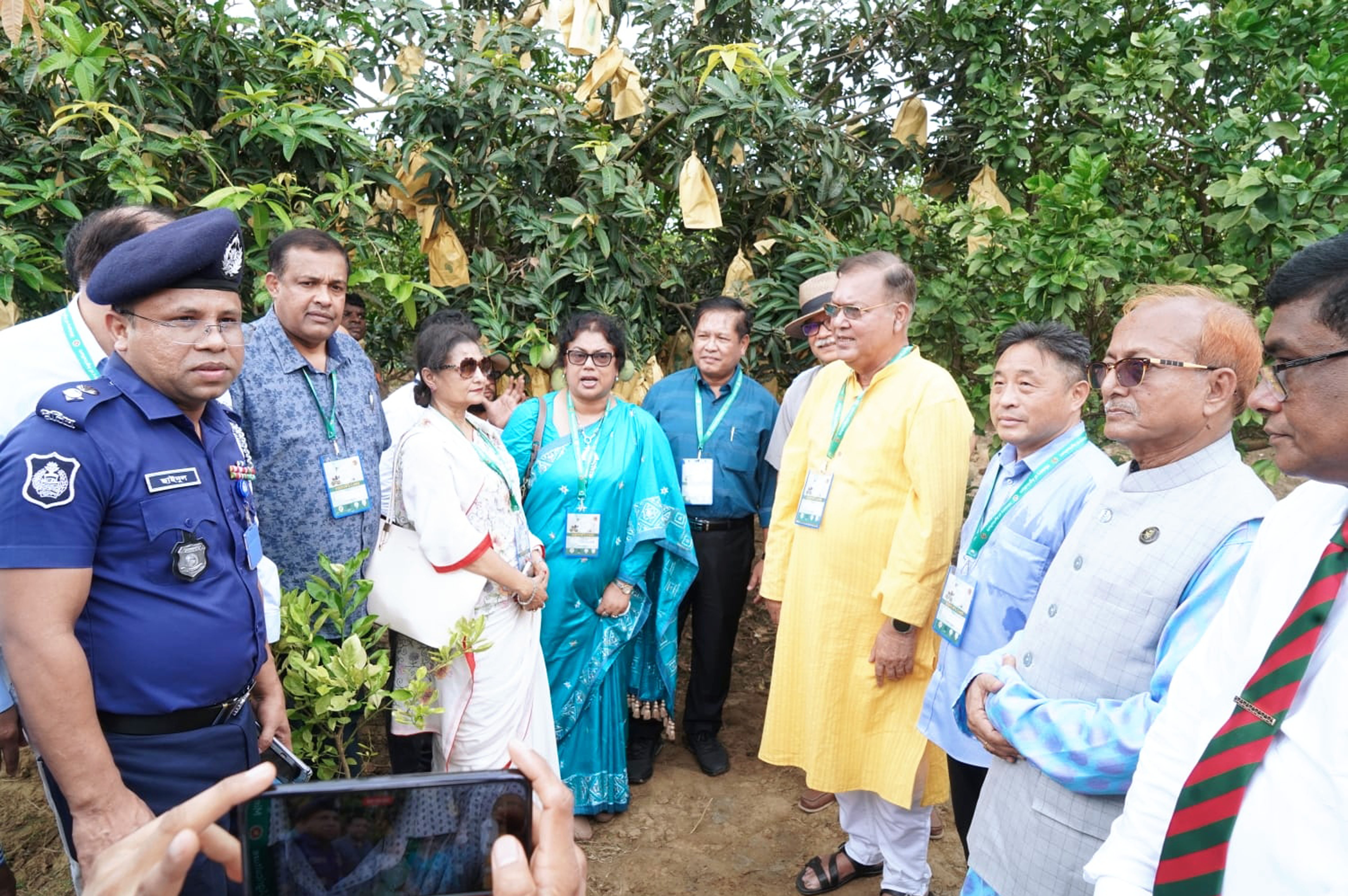
The round table was moderated by Jago News editor K M Ziaul Haque. Taking part were Dr Md Golam Ferdous Chowdhury, chief scientific officer of the Post-Harvest Technology Division at the Bangladesh Agricultural Research Institute (BARI); Dr Md Mehedi Masud, fruit expert and former project director of the Year-round Fruit Production Project; Mohammad Arifur Rahman, director of the DAE's exportable mango production project; Enamul Haque, deputy director (food and agriculture) at BSTI; Ilias Mridha, managing director of PRAN Group; Md Abul Hashem, managing director of Hashem Foods Limited; Md Iktadul Haque, former general secretary of the Bangladesh Agro-Processors' Association (BAPA); S M Nazer Hossain, vice-president of CAB; Md Mahatab Ali, executive director of Kaju and Coffee Agro; and agri-entrepreneurs Ismail Khan Shamim of Chapainawabganj and Sohel Rana of Naogaon.
Mohammad Arifur Rahman was already the project's director when the first mangoes went to China in 2025. He told The Daily Star then that the next consignment would be sent if China was satisfied with that shipment.
Photo: Mahmudul Karim Farsad / Wikimedia Commons (CC BY-SA 3.0)
Sources: Jagonews24, The Daily Star, The Business Standard, New Age
Comments
(0)