
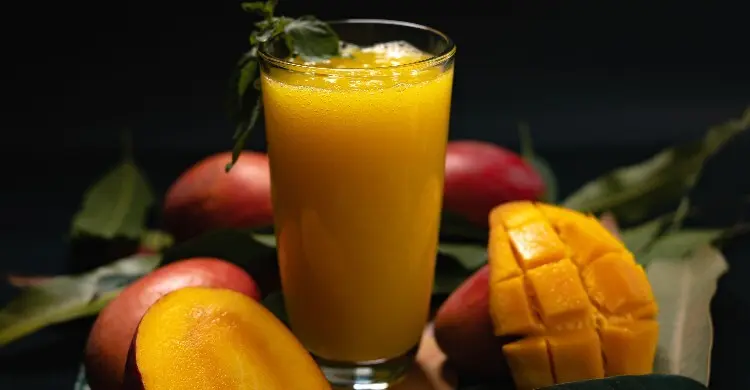
In the fierce summer heat, a glass of cold mango juice soothes body and mind. Many kinds of mango are on the market now, but not all are equally suited to juice. Good juice needs a mango that is fibreless, sweet and high-yielding with thick pulp. Several varieties are used most for commercial juice and mango purée around the world. Here are the ones considered best for juice and mango smoothies in the international market.
The international favourites
Totapuri is the mango used most for commercial juice concentrate in the international market, the real powerhouse of the global juice and fruit-drink industry. The lower end of the fruit is curved like a parrot's beak, which gives it its name. It has an excellent balance of sour and sweet that is ideal for processing, yields the most juice pulp and is also inexpensive.
If you want the taste of premium international juice, try Alphonso. Leading brands around the world use it for juice and smoothies. Its smooth texture and deep saffron colour make juice very attractive. Its strong aroma and fibreless flesh have earned it the name "king of mangoes", and it blends into very smooth juice or mango smoothie.
Juice processors in America and Europe mostly use Tommy Atkins mangoes imported from Latin America. This Florida variety is known worldwide for its fine reddish colour. Its tough skin and long shelf life mean it does not spoil easily in transit, and its colour greatly adds to the visual appeal of commercial juice.
Alongside Tommy Atkins, Kent is also in great demand for juice internationally. Kent is very sweet and, above all, completely fibreless, so it blends into very smooth, thick juice. The large fruit gives plenty of pulp or purée, which lowers the cost of commercial production.
Pakistan's famous Sindhri and Chaunsa varieties are widely used for commercial juice and concentrate in the Middle East and Asian markets. Sindhri is large, oval and very fragrant, and its juice is a fine yellow colour and sweet. Chaunsa's sweetness and unique aroma give juice a different dimension. Both varieties are highly profitable for the processing industry.
Bangladesh's own juice mangoes
In Bangladesh, mango is the most popular fruit in the juice market, and there is a large market for packaged juice. But fresh home-made juice is entirely different in taste and nutrition. Nutritionists say you should choose a mango that needs no added sugar for juice. Fibreless mangoes blend into very smooth, thick juice.
Amrapali is the first choice of the country's fruit lovers for juice and milkshakes. Though medium-sized, its pulp is thick and deep orange. It is so sweet that juice made from it needs no added sugar.
For taste and aroma, Himsagar or Khirshapati is hard to beat. It is completely fibreless, and its fine fragrance greatly enhances the taste of juice. Juice or smoothies made from its thick pulp are delicious.
Langra and Fazli for more juice
Langra has its own sweet-sour taste and strong aroma, and makes a very refreshing juice. Its soft flesh blends very easily.
For those who want to make larger quantities of juice, Fazli is ideal. Fazli mangoes are very large and full of flesh, so a lot of thick juice can be made from only a few fruit.
Source: Jagonews24. First published in Bengali on The Agro News.

Comments
(0)