
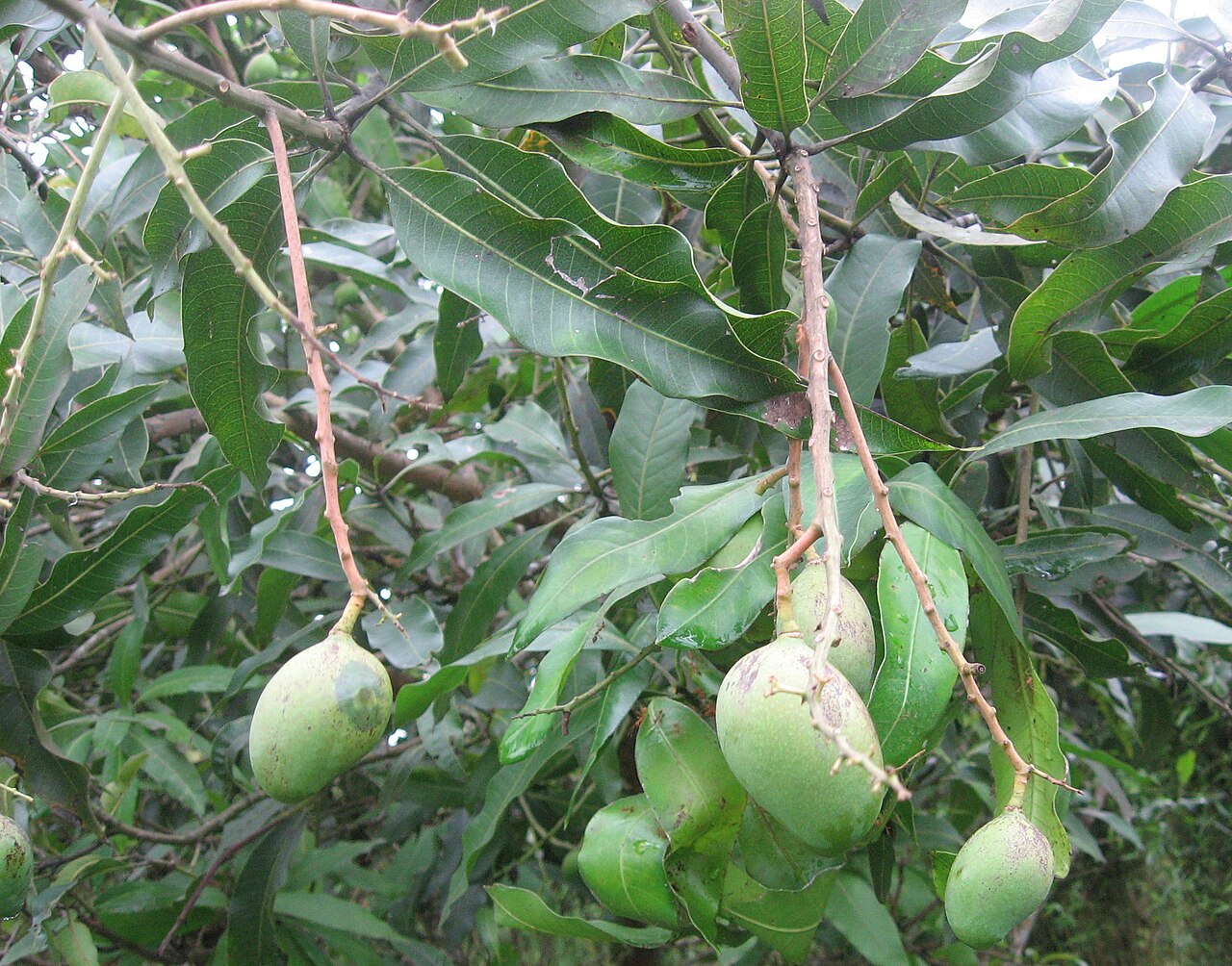
In the Dhopakandi union of Gopalpur upazila, Tangail, an ordinary mango and jackfruit feast turned into a gathering of about a hundred people in late June 2026. Anisur Rahman, a trader at Sajanpur bazar, had invited his long-time friend Mohammad Monser Ali alone. But on the day, Monser Ali arrived with around 100 guests. Far from being annoyed, the host, Anisur Rahman, gladly arranged food for everyone, setting a rare example of rural friendship and goodwill that caused a stir in the area.
One invitation, a hundred guests
Anisur Rahman and Mohammad Monser Ali are traders at Sajanpur bazar in Dhopakandi union and long-time friends. A few days earlier, during a conversation, Anisur Rahman invited his friend to his home for a mango and jackfruit feast. Monser Ali was supposed to come alone. Anisur Rahman lives in the Garaliapara area of Dhopakandi union, while Monser Ali lives in Mishrapatti village. The two villages have long been linked through trade and kinship.
On the day of the feast, surprising everyone, Monser Ali set out for his friend's home with about 100 people, including local traders, friends, classmates, brothers and nephews. Anisur Rahman heard in advance that such a large group was coming. Instead of being flustered, he arranged fresh food for the hundred guests and later entertained them warmly. Neighbours said that even in the face of so sudden an arrangement, the host wore a smile rather than any sign of irritation.
Locals said that at a time when conflicts over various issues are common in many areas, such a gathering and example of friendship is truly rare. They believe such events play an important role in strengthening harmony, love and mutual ties in society. For many, the day felt like a festival in which the bond between people mattered even more than the fruit and milk on offer.
Vans of mango, jackfruit and milk
The guests did not come empty-handed. Monser Ali's group brought a van load of mangoes, a van load of jackfruit, a van load of milk, along with betel leaf, areca nut and other gifts. In rural areas it is an old custom to visit a friend's home in a group during the fruit season, bearing gifts. Because mangoes and jackfruit are the main fruits of the season, they were also at the centre of the feast, and the vans of fresh fruit and milk made the occasion all the livelier.
Anisur Rahman said: "I only invited Monser, but he brought 100 people. I was not angry; I was far happier than I would have been if he had come alone. With so many people here, the bond of our friendship has grown deeper."
Monser Ali said: "This is not just an invitation; it is our old village tradition. As a child I saw my father and grandfather go in groups to a friend's house for mango and jackfruit feasts. In modern times that tradition is being lost. I brought everyone to my friend's house to teach the new generation that love, goodwill and friendship. Friendship has no age, and I want to keep this bond intact for life."
Gopalpur and Dhopakandi: the place of the story
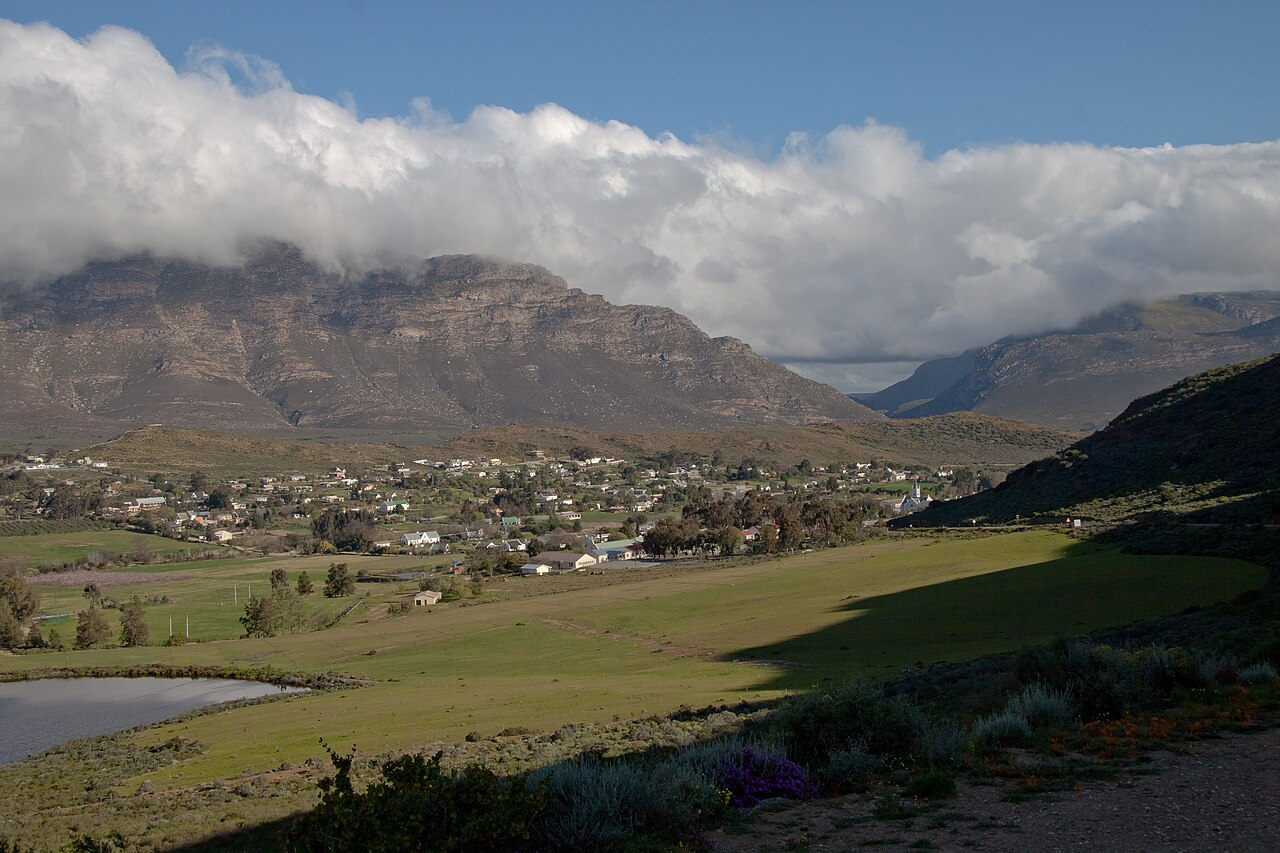
Gopalpur is an upazila in the northern part of Tangail district. According to Banglapedia, Gopalpur upazila covers about 193.37 sq km. Madhupur lies to its north, Ghatail and Bhuapur to the south, and Sarishabari and Bhuapur to the west. The 2011 census put its population at about 252,000, most of them Muslim, with a Hindu minority. The Atrai, Jhinai and Bairan are its main rivers.
Administratively, Gopalpur has seven unions, one of which is Dhopakandi. The upazila has 111 mouzas and 158 villages, and its municipality was formed in 1974. Agriculture is the main source of income, at about 67 per cent of the local economy, followed by commerce at about 11 per cent. Paddy, jute, pulses, mustard, wheat, onion and vegetables are the main crops, while mango, jackfruit, banana and litchi are the main fruits. A mango and jackfruit feast is therefore a natural reflection of the area's fruit economy.
Banglapedia notes that Gopalpur has 11 hats and bazars and six fairs; markets such as Konabari, Nalin, Bhengula and Mohanpur are hubs of rural trade, and events such as the Gopalpur Mela with its boat race, the Baishakhi Mela and the Rath Mela are part of local culture. It is through buying and selling fruit, milk and daily goods at markets like Sajanpur bazar that traders build the long friendships and kinship ties of which this feast was one expression.
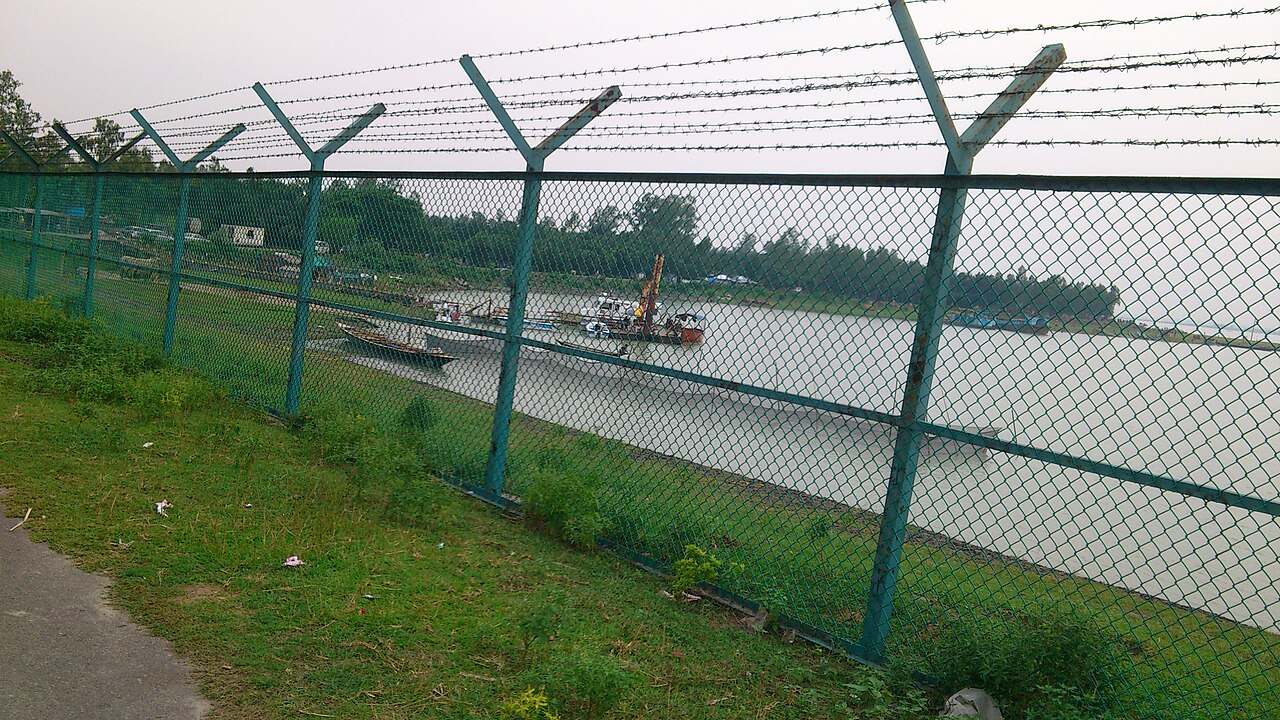
The larger district, Tangail, covers about 3,414 sq km and has a population of about 3.6 million. According to Banglapedia, it has 12 upazilas, 109 unions and about 2,400 villages. The Jamuna, Dhaleshwari, Lohajang, Bangshi, Turag and Jhinai are its main rivers. Tangail became a subdivision in 1870 and a full district in 1969. About 57 per cent of its people depend on agriculture, and the Madhupur National Park is one of the district's well-known features.
Gopalpur's wetlands are another feature of the area; according to Banglapedia, Saratal, Digda, Nagilla, Doga and Shakhal are its notable beels. This beel- and river-based farming is what sustains the region's paddy, jute and vegetables alongside fruit such as mango and jackfruit. Tangail, in turn, is known for its folk culture, where the traditions of lathi khela (stick fighting), boat racing and folk music survive to this day. It is in such a cultural setting that going in a group to a friend's home for a fruit feast, or arranging a gathering, naturally becomes part of people's lives, and this 2026 episode is one example of that continuity.
Mango: the king of fruits
The mango (scientific name Mangifera indica, family Anacardiaceae) is one of the oldest and most popular fruits of the subcontinent, and Banglapedia describes it as the "king of fruits." Trees flower from January to March, and fog, rain or cloudy weather during that period hampers fruit setting. Although most mango trees in Bangladesh are grown in homestead plantations, superior varieties are concentrated in the Rajshahi, Nawabganj and Dinajpur regions.
According to Banglapedia, about 639,820 metric tons of mangoes were produced in 2005-06 from roughly 641,525 acres. This output is low compared with other mango-growing countries; old trees, poor management, pests and diseases, and seedling-grown trees are cited as reasons. The country has nearly a hundred cultivars, with Fazlee, Langda, Gopalbhog, Himsagar and Khirsapat among the elite varieties.
Mangoes are mainly eaten ripe, while green fruit is added to curries and dal for flavour and used to make jam, jelly, squash, chutney and pickle. Elite varieties are propagated by grafting; grafted trees usually begin bearing in the fourth year and stay productive for about 45 years, while seedling trees can bear for 60 years or more. History records that the Mughal emperor Akbar planted about 100,000 mango trees in an orchard at Lakh Bagh, near Darbhanga in India, regarded as the subcontinent's first organised mango orchard.
For mango cultivation the soil pH should generally be about 5.5 to 7.5; sub-soils with rock or heavy clay are unsuitable. According to Banglapedia, pests such as mango hoppers and fruit flies, and diseases such as anthracnose, cause significant losses and are among the reasons for the country's relatively low output. Even so, from the homestead yard to the commercial orchard, the mango remains one of Bangladesh's best-loved fruits.
According to another Banglapedia entry, the country has about 3,000 mango varieties in cultivation and in the wild. In fruit research, the Bangladesh Agricultural Research Institute (BARI) has developed 40 improved varieties, Bangladesh Agricultural University 19, and Bangabandhu Sheikh Mujibur Rahman Agricultural University 2. From the ordinary 'deshi' or 'guti' mango of a village yard to the improved varieties bred in research stations, the range of mango is vast, a reminder of the broad cultivation tradition behind the van load of mangoes that reached the feast table.
Jackfruit: the national fruit of Bangladesh
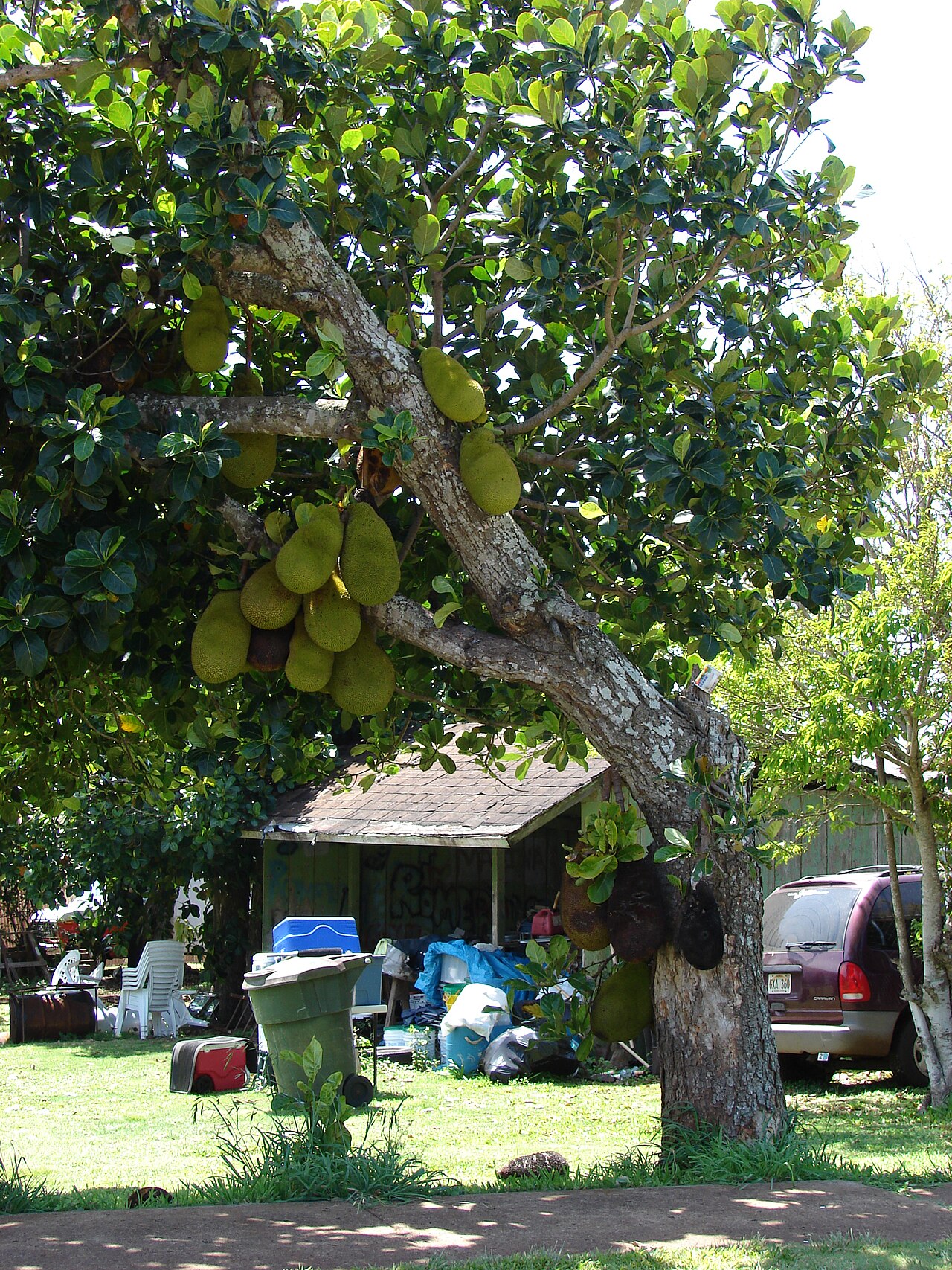
The other fruit of the feast, the jackfruit, is the national fruit of Bangladesh. According to Banglapedia, it is native to the Indian subcontinent and is now grown widely in tropical lowlands. Major producers include India, Myanmar, Sri Lanka, Malaysia, Indonesia, Thailand and the Philippines. Trees flower from December to March and the fruit ripens from May to August, which means this June feast fell squarely in the peak jackfruit season.
According to Banglapedia (BBS, 2000-2007), jackfruit is grown on about 25,110 hectares and yields about 469,500 tons a year, roughly 22 per cent of the country's fruit output. By cultivated area it ranks third among Bangladeshi fruits, and second by output. Jackfruit trees are usually grown from seed, though selected varieties are propagated vegetatively, and they begin bearing at five to eight years of age.
The ripe aril is eaten fresh, preserved in syrup or dried; the seeds are boiled and roasted for cooking, and unripe fruit is cooked as a vegetable. The leaves and rind feed livestock, the latex serves as a sealant, and the yellow heartwood is valuable timber and a source of yellow dye. Jackfruit trees also beautify homesteads, so it is a common sight for homes in villages such as Garaliapara or Mishrapatti to have a jackfruit tree close by.
Jackfruit is also nutritious. According to figures cited in Banglapedia (Acedo, 1992), every 100 grams of ripe aril contains roughly 94 to 98 kilocalories of energy, 22 to 24 grams of carbohydrate, and small amounts of vitamin C, calcium and iron, while every 100 grams of jackfruit seed contains about 4 to 7 grams of protein and more carbohydrate. So alongside the fresh ripe arils, the boiled or roasted seeds too have a place in the rural diet as a source of nourishment.
A mature jackfruit tree, especially one aged 15 to 20 years, can bear anywhere from a few to about 200 fruits a year, though yields swing from one year to the next. Each jackfruit weighs from a few kilograms up to 15 to 20 kilograms, and in some cases 30 to 45 kilograms. Because the fruit is so large, a single van load of jackfruit can feed a great many people, as it did at this feast.
Mango and jackfruit in Bangladesh's fruit basket
According to Banglapedia, Bangladesh produces 9 major and 48 minor fruits, and the total fruit area is about 139,535 hectares, of which major fruits cover 79 per cent and minor fruits 21 per cent. By the Bangladesh Bureau of Statistics 2007 Yearbook, the leading fruit by annual output is banana (about 899,000 tons), followed by mango (about 662,000 tons), pineapple (about 235,000 tons), jackfruit (about 174,000 tons), and then guava, watermelon, papaya and litchi. In other words, the two main fruits of the feast, mango and jackfruit, are also among the country's leading fruits by output.
The same source notes that about 30 to 40 per cent of the fruit produced each year is lost because of poor preservation and processing. The recommended intake is 85 grams of fruit per person per day, yet actual average consumption is only about 35 grams. Against that backdrop, the rural custom of eating mango and jackfruit together in the peak season, or giving fresh fruit as a gift, is also a social side of fruit consumption, in which a seasonal surplus is shared rather than wasted.
The season of ripe fruit and the custom of invitations
In the Bengali calendar the month of Jaistha is often called the "madhumas," the month of honey, because mangoes, jackfruit, litchi, jamun and other juicy fruits ripen together then. The 30th of June 2026 fell at the start of Ashar, the height of the mango and jackfruit season. Banglapedia likewise records that jackfruit ripens from May to August, and because mangoes flower early in the year, the harvest comes in at the end of summer and the beginning of the rains. This seasonal abundance is what sets the timing of fruit feasts in rural areas.
According to Banglapedia, about 54 per cent of the country's total fruit output is harvested and marketed in Baishakh, Jaistha, Ashar and Srabon, that is, during this madhumas period, while the remaining 46 per cent is spread across the other eight months. May, June and July are called the fruit-festival months. More precisely, mango ripens from June to August and jackfruit from June to September. The feast of 30 June 2026 therefore fell right in the middle of the fruit-festival season, when both mango and jackfruit are in full supply at once.
In Bengal's villages it has long been the custom to invite relatives and friends to a mango and jackfruit feast during the fruit season. Sending fruit to a daughter's or son-in-law's home, going in a group to a friend's house to eat fruit, or giving a neighbour the first fruit of one's own tree are all part of this culture. The "tradition of our fathers and grandfathers" that Monser Ali spoke of is an example of exactly this old social practice, in which fruit is not merely food but a vehicle for relationships.
In an agriculture-dependent upazila like Gopalpur, where nearly two-thirds of the economy is farming and mango and jackfruit are among the main fruits, such fruit-centred events are naturally woven into local social life. Entertaining guests with the season's fruit is a bridge between the rural economy and its culture, and the gathering of a hundred guests at one trader's home is a vivid picture of that bridge.
Betel, areca nut and rural hospitality
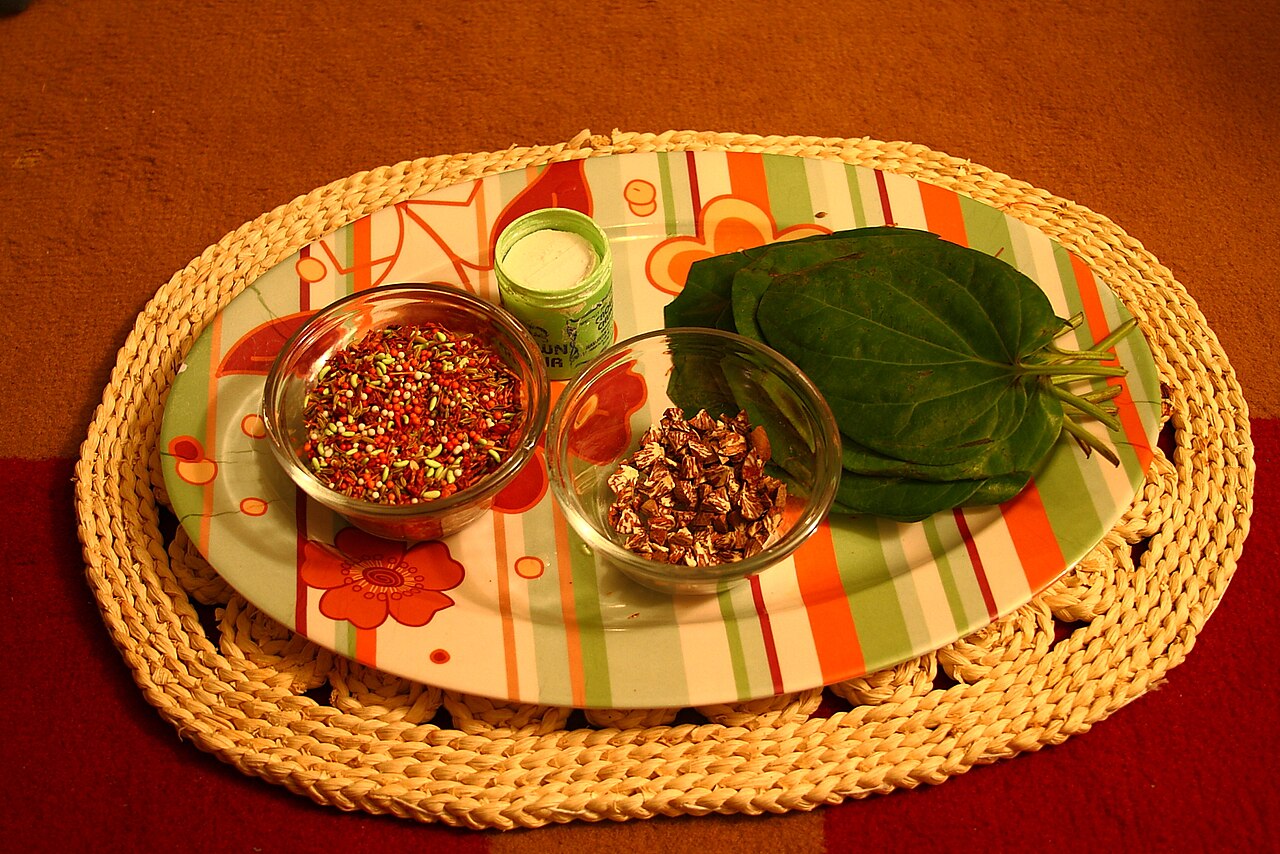
Among the gifts the guests brought were betel leaf and areca nut. In Bangladesh, India and the surrounding region, betel leaf and areca nut are a familiar accompaniment to hospitality; offering a guest paan and shupari after a meal has long been a mark of hospitality and respect. So the addition of betel and nut to the mangoes, jackfruit and milk was not merely another gift but a form of complete rural hospitality.
A van load of milk was also on the list of gifts. Milk and dairy are an important part of rural hospitality; when special guests arrive, it has long been the custom to serve yoghurt, sweets or dishes made from milk. This combined offering of fruit and milk shows that the guests did not come merely to eat but also wished to add to their host's larder, an expression of mutual respect and affection.
The two people at the centre of the event are private individuals, and their names and identities are given here exactly as they appear in the original report. At the end of the day, the bond of friendship mattered more than the mangoes, jackfruit, milk or betel, as the words of both host and guest make clear. How an ordinary fruit-season invitation can turn into a festival of harmony in a rural community is exactly what this Gopalpur episode illustrates.
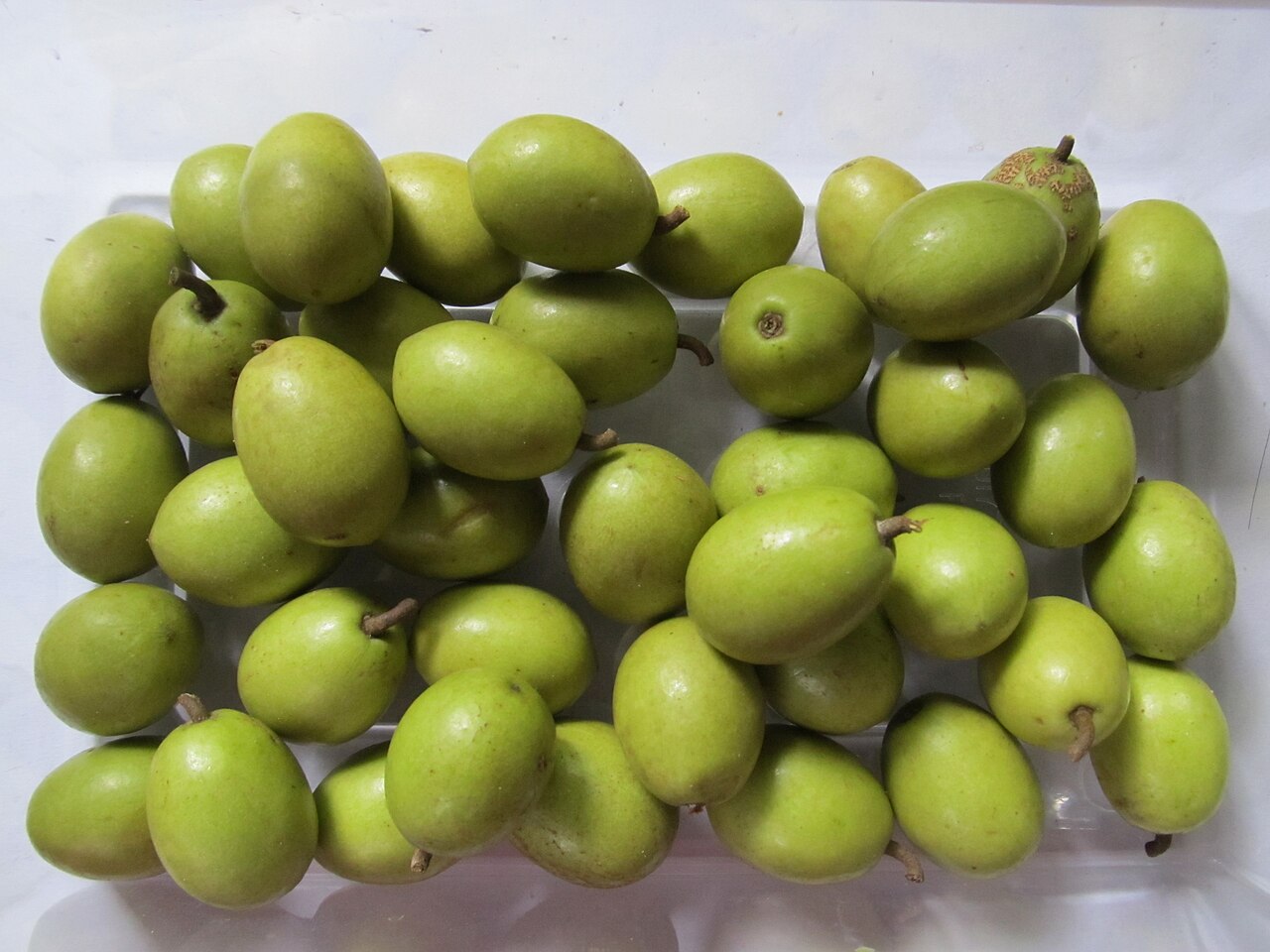
Photo: Ripe mangoes (image taken in India; representative), মৌচুমী / Wikimedia Commons (CC BY-SA 3.0).
Sources: Jagonews24; Banglapedia (Gopalpur Upazila, Tangail District, Mango, Jackfruit).
Comments
(0)