
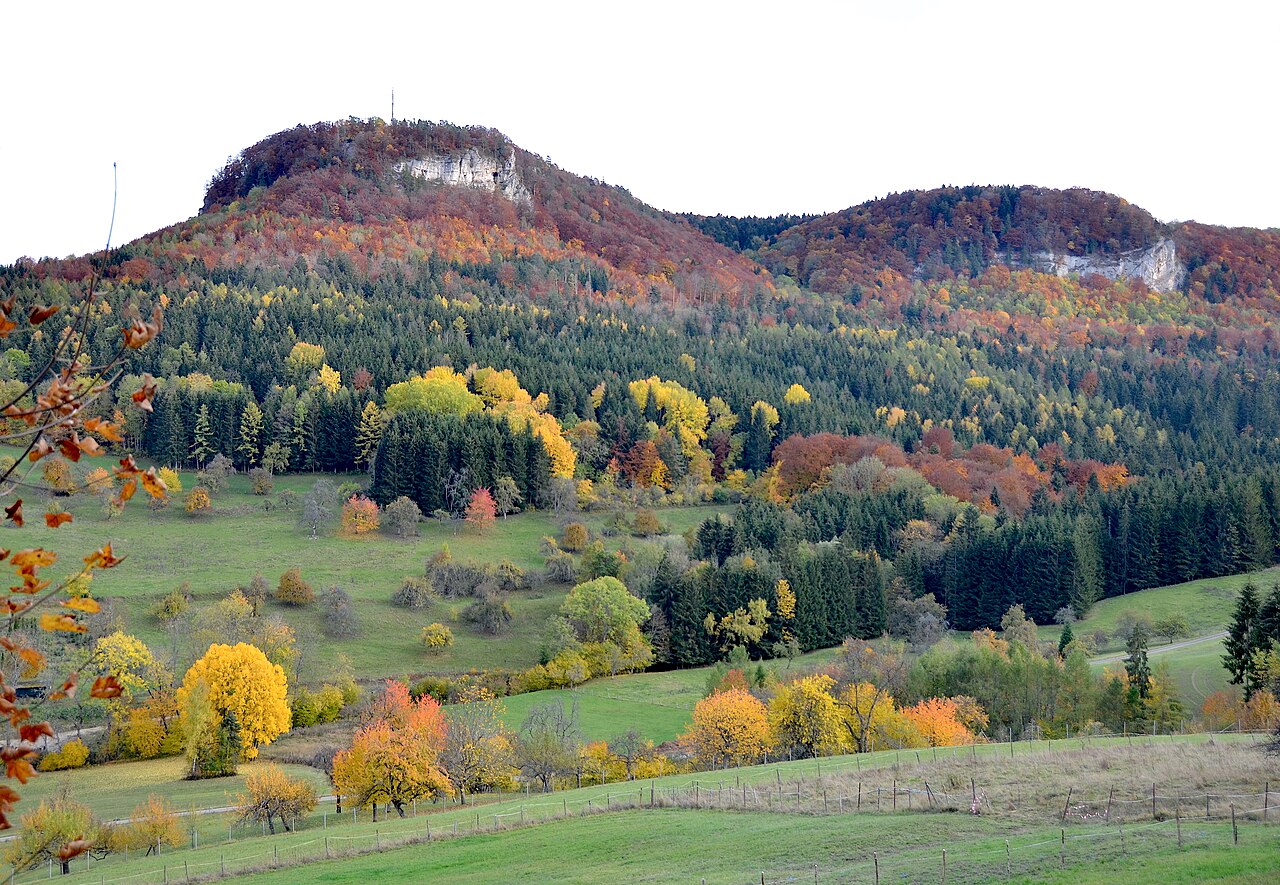
Forest soils in south-west Germany have been removing more methane from the atmosphere year after year, according to a study by researchers at the University of Göttingen and the Baden-Württemberg Forest Research Institute (FVA) that draws on up to 24 years of field measurements.
The team analysed what it describes as the world's most comprehensive collection of long-term measurements of methane uptake by forest soils, from 13 forest sites. On average, the amount of methane the soils absorbed rose by about 3% a year. The researchers linked the rise to declining rainfall and warmer temperatures. The study is published in Agricultural and Forest Meteorology.
The data come from the FVA's long-running soil gas monitoring programme. Every two weeks, air samples were drawn through thin tubes buried at different depths and analysed in a laboratory. To check the results, the team also used airtight chambers placed on the soil surface to measure how gas concentrations changed and calculate how much methane the soil removed.
The explanation lies in how gas moves through soil. When soil is saturated, water fills the tiny spaces between particles and gas struggles to pass; drier soil holds more air-filled pores, so atmospheric methane travels deeper, where microorganisms use it as an energy source and break it down. Slightly higher temperatures can speed up that microbial activity.
"Our long-term data shows that climate change does not necessarily have a negative impact on how much methane forest soils absorb," said Professor Martin Maier of Göttingen University's Department of Crop Sciences, who led the study. He noted that the largest previous study, from the United States, found methane uptake falling by up to 80 percent because of increasing rainfall, while this field study found the opposite.
The authors stress that the findings do not mean climate change is good for forests overall. They show that its effect on methane uptake depends on local temperature, rainfall and soil conditions, and that long-term monitoring is needed to see gradual changes that shorter studies or broad meta-analyses can miss.
Photo: Olga Ernst / Wikimedia Commons (CC BY-SA 4.0)
Source: ScienceDaily (Agriculture & Food)


Comments
(0)