
 Fruits
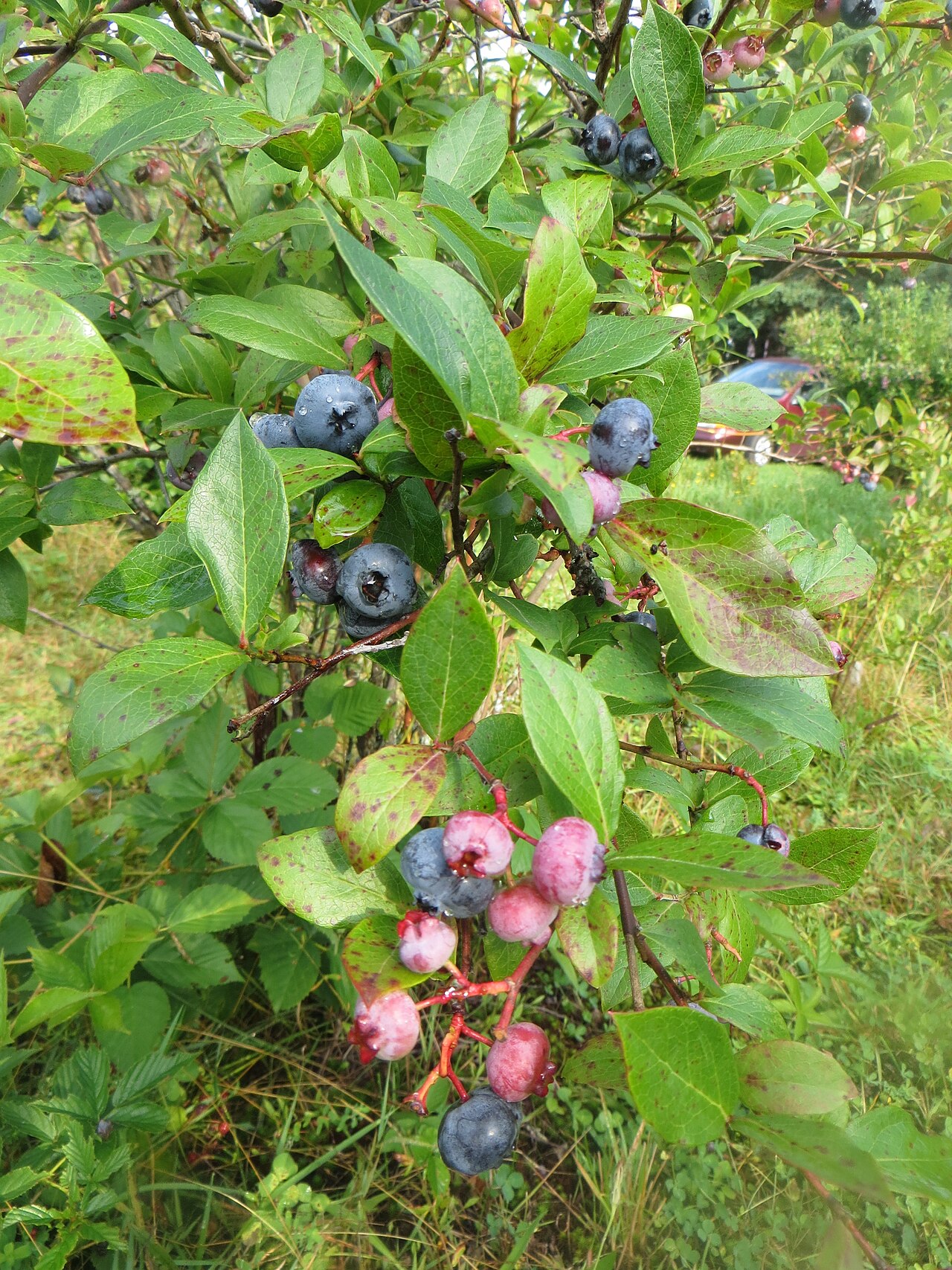
DNA barcoding unmasks the giant larva eating blueberry roots in North Carolina
Researchers at NC State identified the pest as a longhorn beetle, Prionus imbricornis, but no insecticide is yet labelled against it in blueberries.
Reporting from this source, summarised, rewritten or translated and published under its name · 10 stories
 Fruits
Researchers at NC State identified the pest as a longhorn beetle, Prionus imbricornis, but no insecticide is yet labelled against it in blueberries.
 Environment
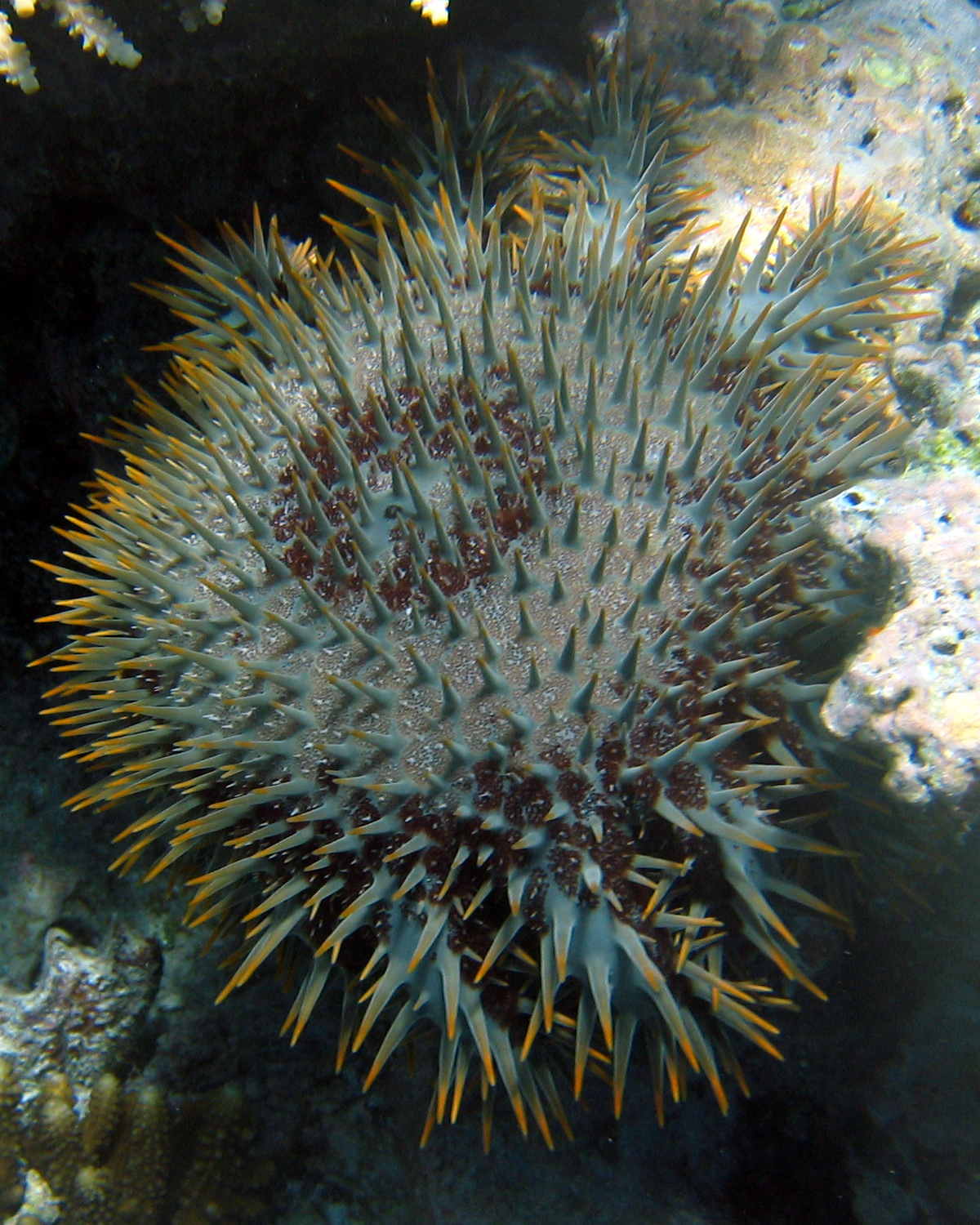
University of Sydney researchers found living coral survived about 75 per cent of crown-of-thorns starfish feeding events at One Tree Island, suggesting low starfish numbers can keep fast-growing corals in check.
 Environment
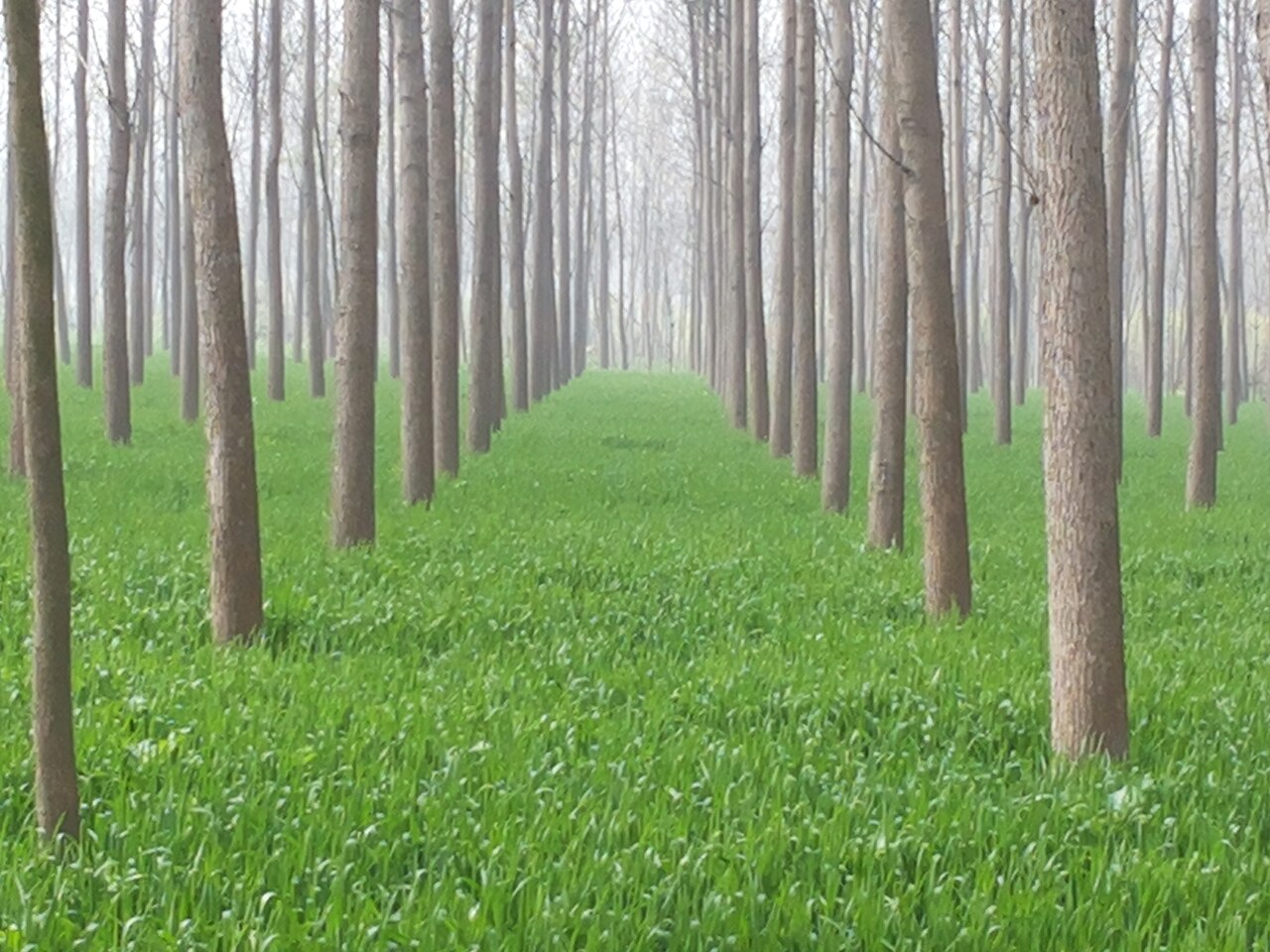
French researchers found that young poplars correct their own curvature by growing tension wood on the opposite side of the stem, a finding they say could help breed straighter trees and cereals that resist lodging.
 Environment
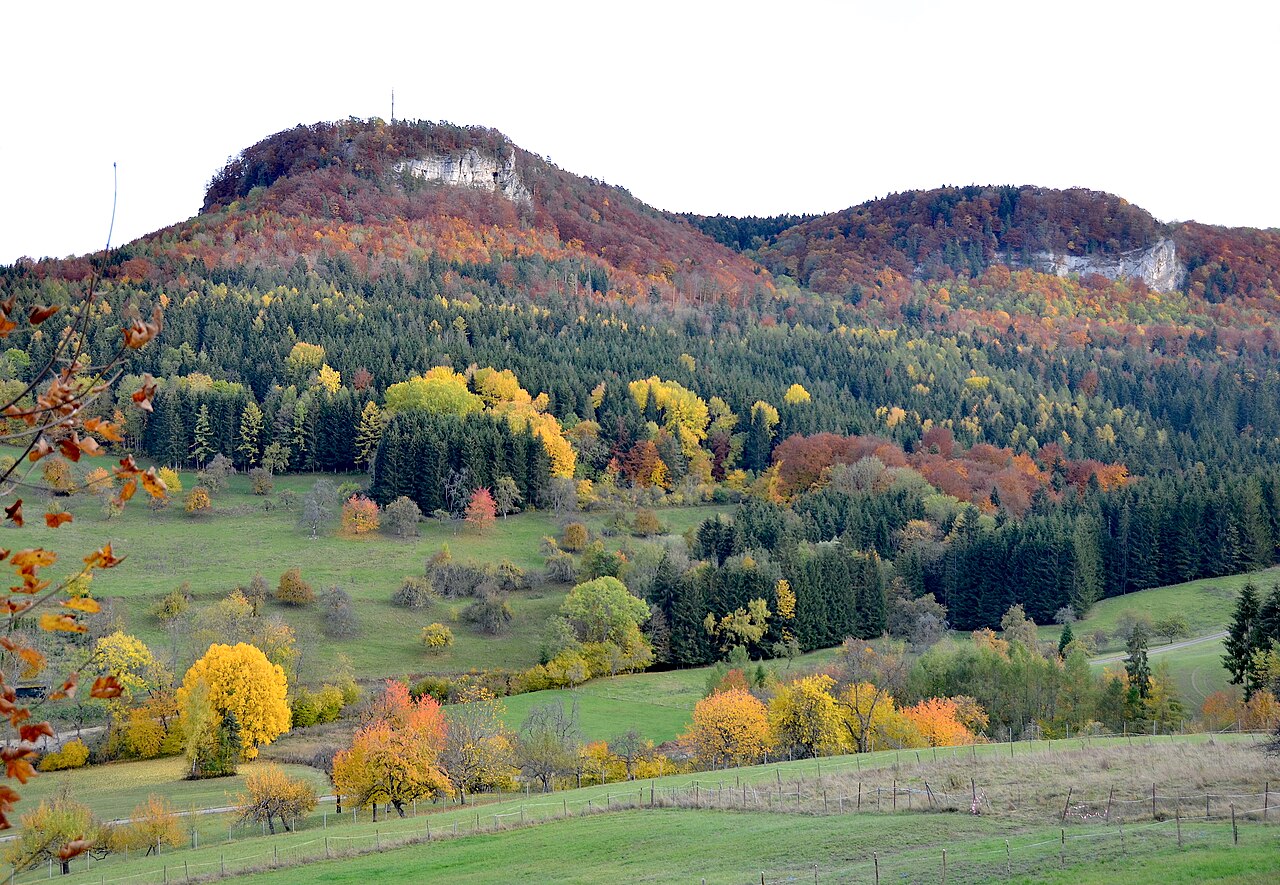
Measurements at 13 forest sites in south-west Germany over up to 24 years show soil methane uptake rising by about 3% a year, linked to lower rainfall and higher temperatures, contrary to several global reviews.
 Vegetables
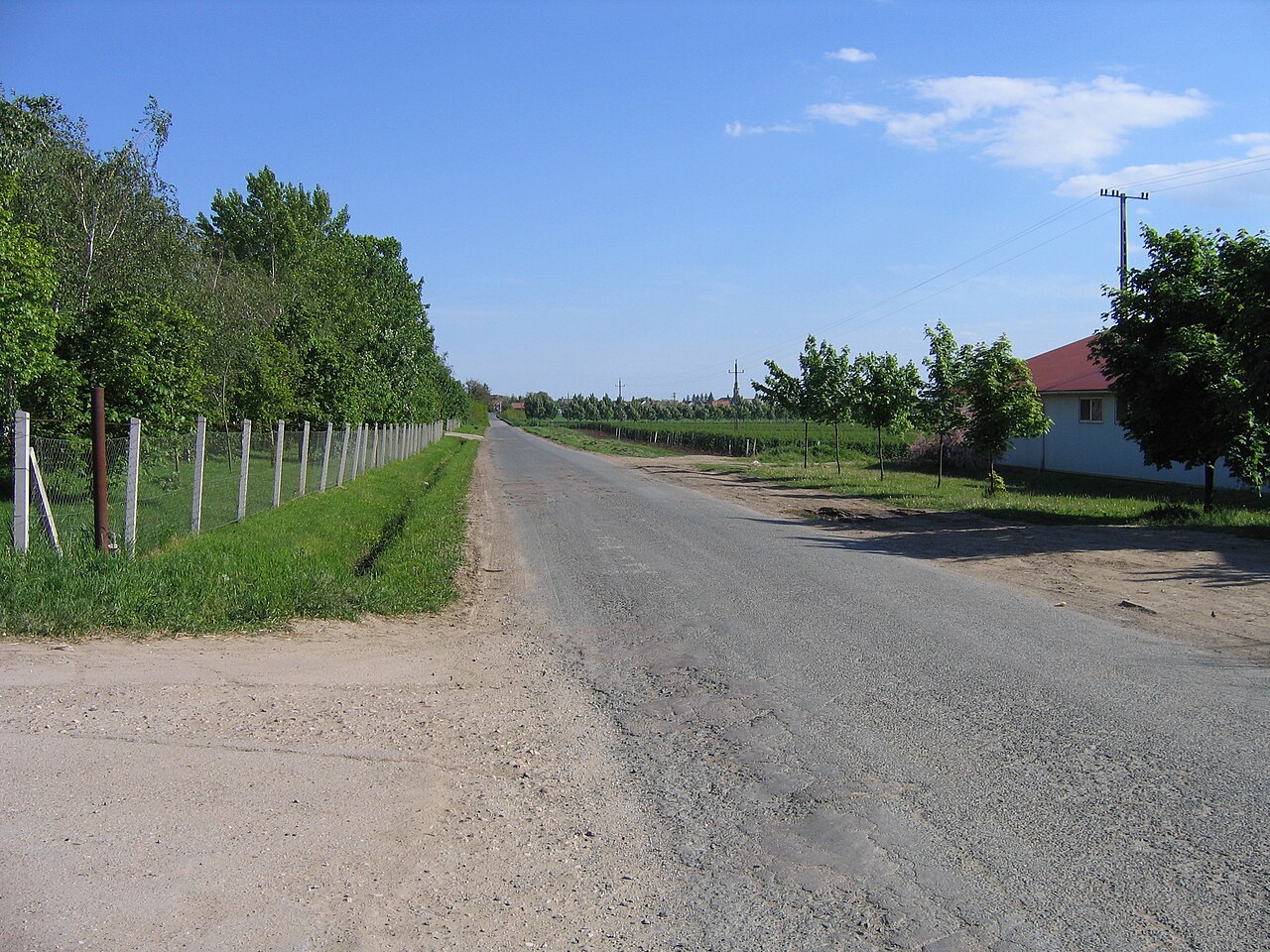
University of Florida researchers sampling white button mushroom farms in the southern US linked bacterial blotch to more than 17 pathogenic species, which may explain why treatments give mixed results.
 Environment
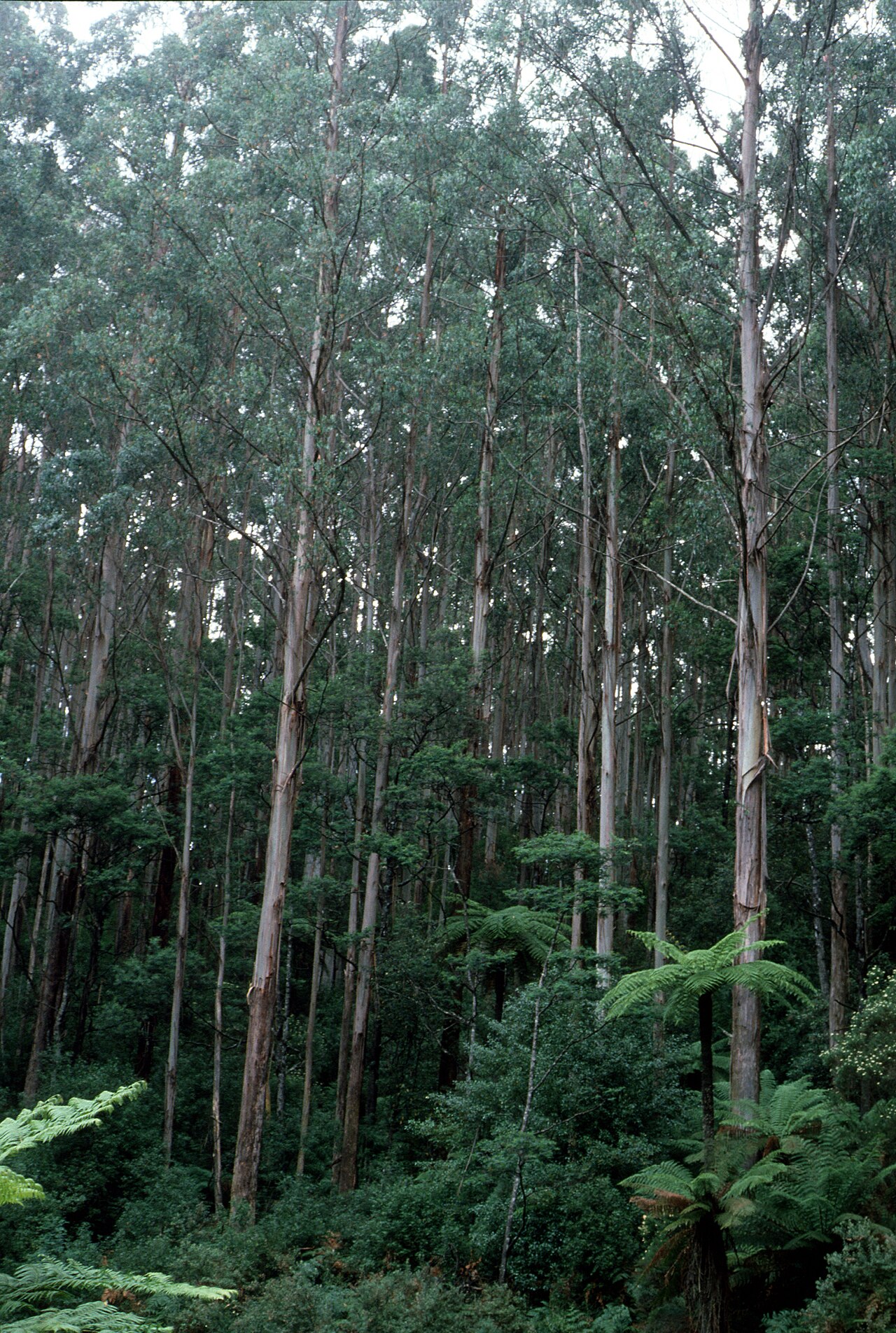
Thirty years after a Victorian forestry experiment was abandoned, heavily thinned mountain ash stands hold trees 20% larger than untouched forest and as much carbon or more.
 Fruits
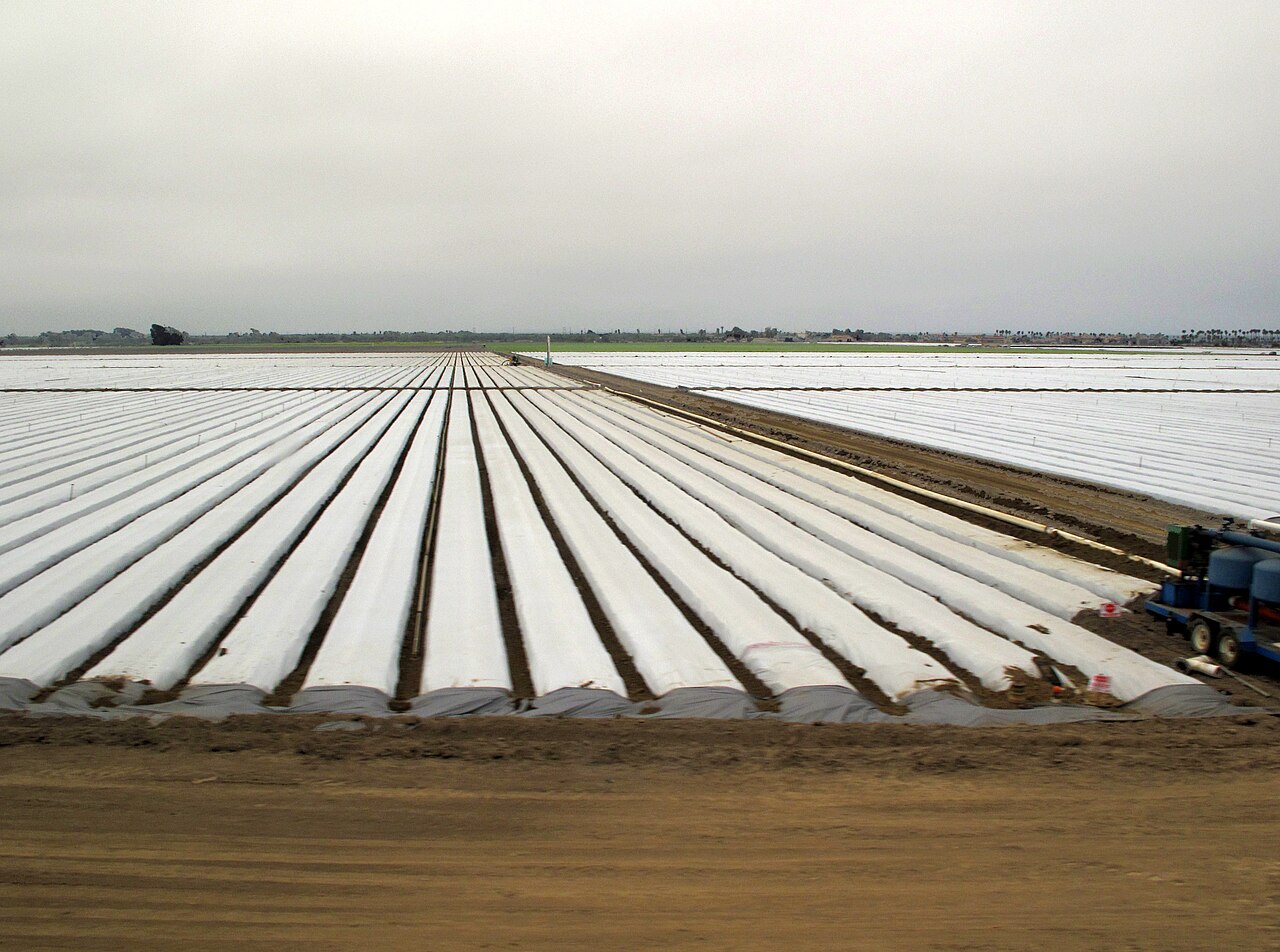
A 3-D knitted fabric laid over strawberry plants keeps insects off while letting light, rain and air through; in North Carolina tunnel trials covered plants yielded up to 3.56 times more fruit.
 Crops
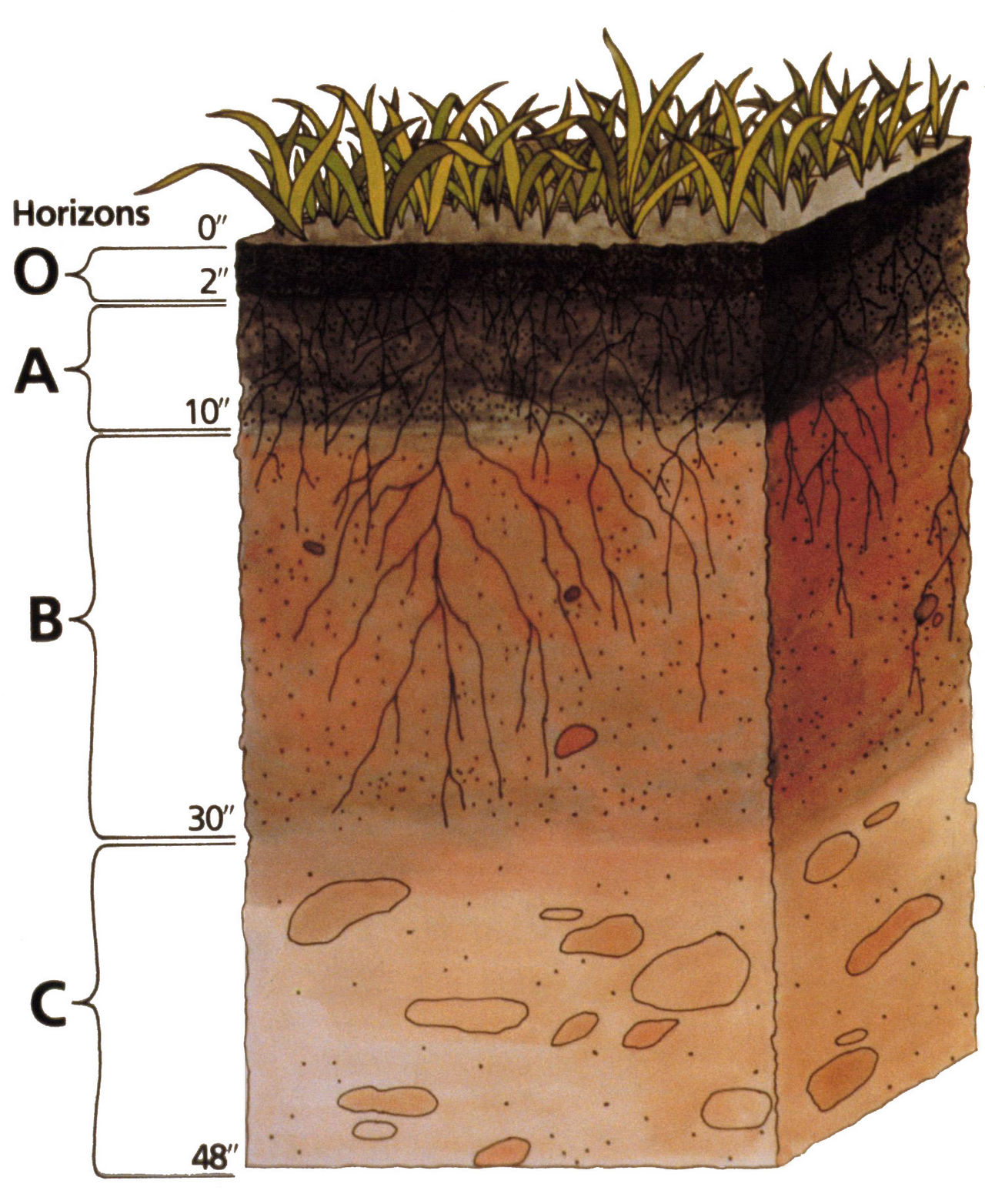
Researchers from Sultan Qaboos University, the James Hutton Institute and others refined a method to measure DNA-bound phosphorus in soil, a window on the biologically active part of the phosphorus cycle.
 Crops
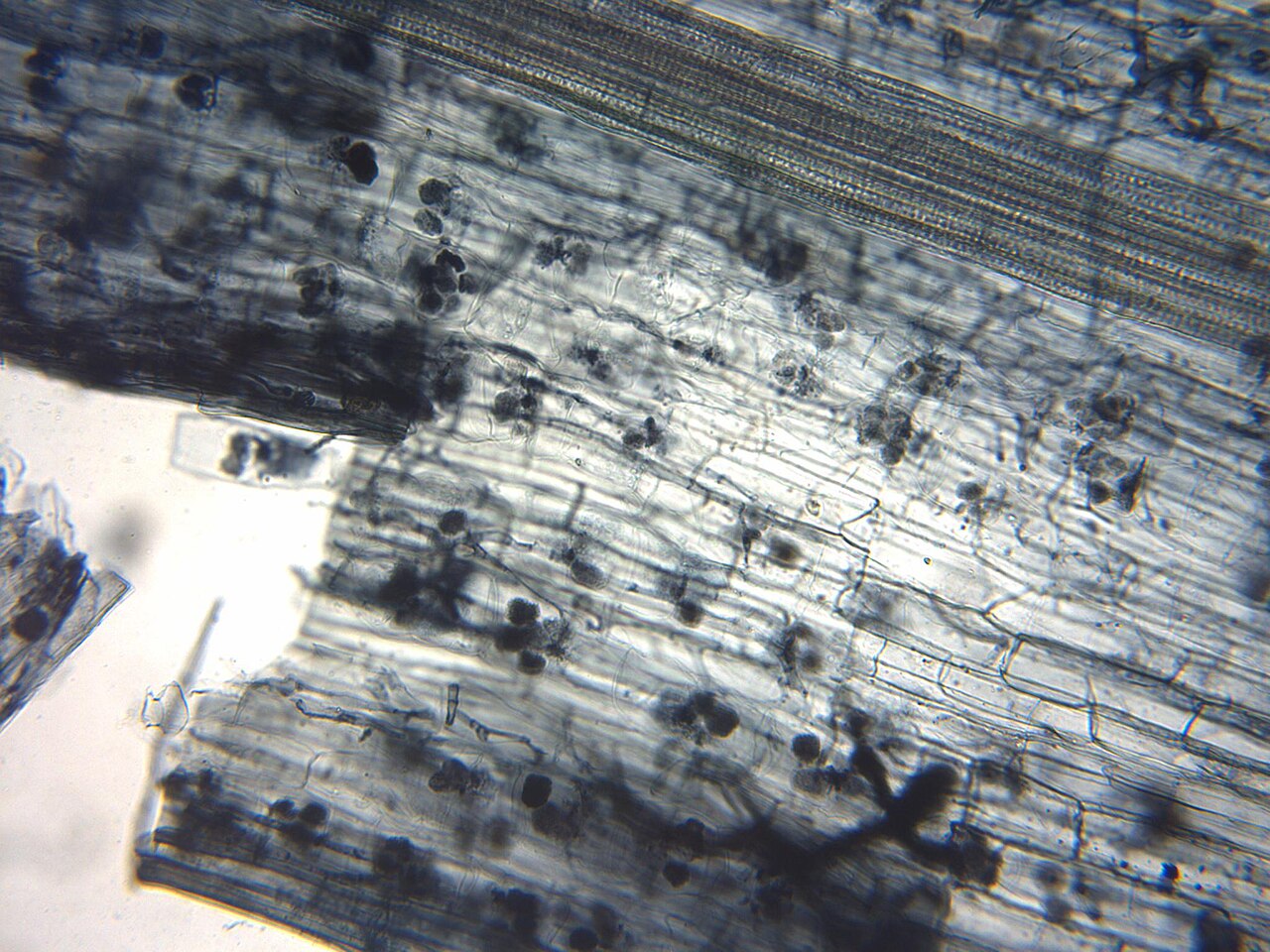
Researchers in the United States and Brazil reviewed how plant growth-promoting fungi such as Trichoderma and arbuscular mycorrhizal fungi could help crops cope with nutrient-poor regolith, but say tests on real Moon and Mars material are still needed.
Researchers at the University of California San Diego and San Diego County public health built a tracking tool that combines confirmed detections, fly-friendly environmental conditions and news reports to estimate New World screwworm risk for every US county; access is limited to officials for now,