
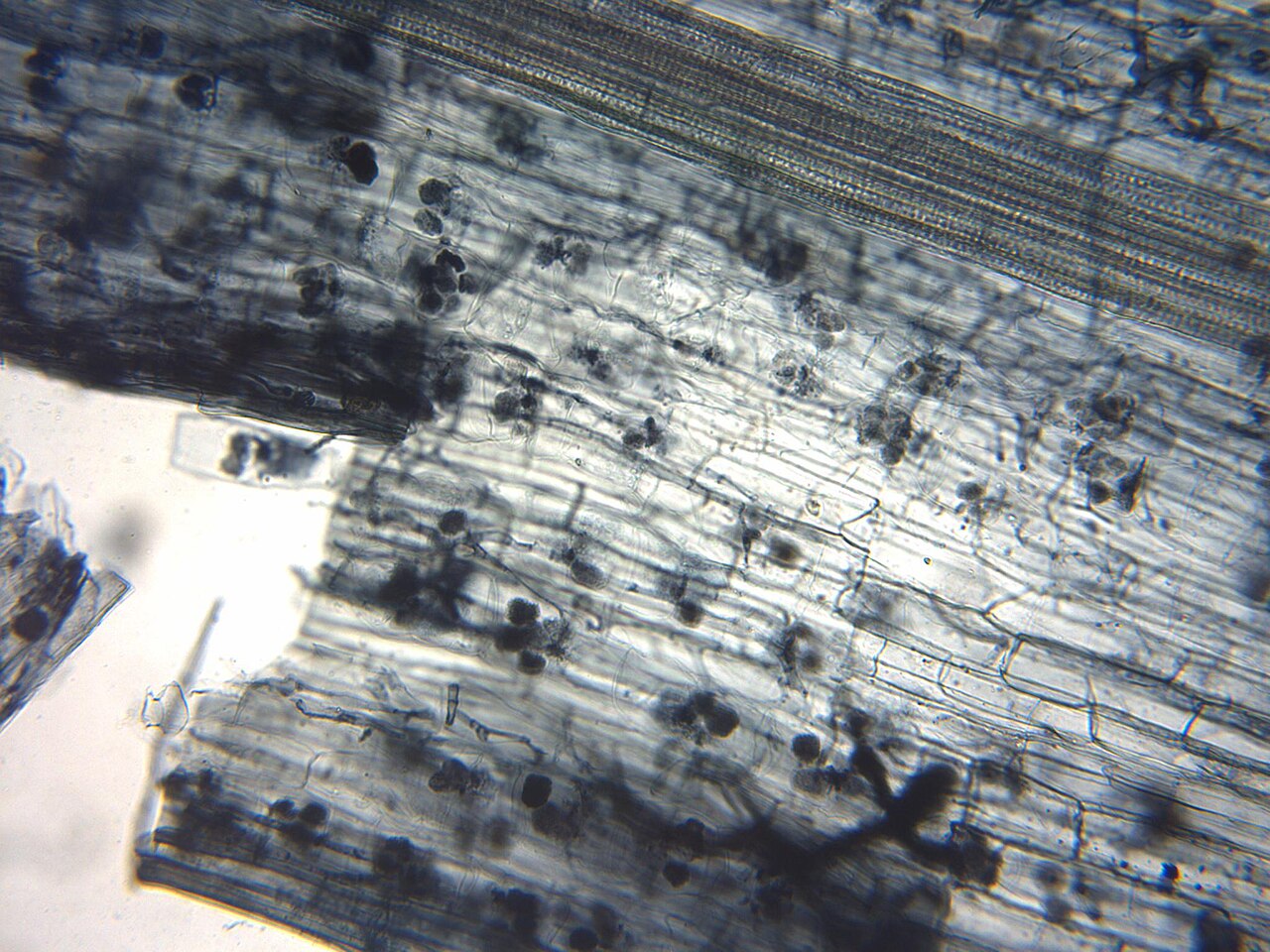
Beneficial fungi that already help crops take up nutrients on Earth could make farming in lunar and Martian regolith more realistic, according to a review by researchers in the United States and Brazil reported by ScienceDaily.
The review, by Jéssica Carneiro Oliveira, Rafael Loureiro, Andrew Palmer and Camila Maistro Patreze and published in Frontiers in Astronomy and Space Sciences, examined why regolith is a poor growing medium. It lacks several nutrients plants need, and the authors focused in particular on shortages of nitrogen, potassium and phosphorus and on ways to overcome them.
They looked at fungal species already shown to support plant growth by improving nutrient uptake, including under abiotic stress such as harsh, nutrient-poor conditions, as well as fungi that have been used aboard the International Space Station.
One group they highlight is arbuscular mycorrhizal fungi (AMF), used in botany since the mid-19th century, which form close partnerships with plant roots and act in effect as microscopic extensions of the root system, helping plants reach and absorb nutrients more efficiently. "Fungi such as Trichoderma and the various AMF (Glomeromycota) stand out for their ability to relieve abiotic stresses, mobilize essential nutrients, and potentially improve the physicochemical structure of regolith substrates," the authors write.
The researchers say more work is needed before the approach can be used, above all tests with actual lunar and Martian regolith rather than simulants or substitutes. If it works, they argue, such fungi could help astronauts grow larger and more reliable crops and reduce dependence on food shipped from Earth. ScienceDaily's article was provided by Universe Today and written by Laurence Tognetti.
Photo: Msturmel / Wikimedia Commons (Public domain)
Source: ScienceDaily (Universe Today)


Comments
(0)