
An international team has refined a laboratory method for measuring DNA-bound phosphorus (DNA-P) in soil, making it simpler and cheaper, in work that could help scientists understand how soil microbes make phosphorus available to crops, ScienceDaily reports from a Sultan Qaboos University release.
Phosphorus is essential for plant growth and food production, but the world's natural reserves are limited, so knowing how the nutrient is stored, transformed and released in soil matters for keeping farmland fertile while cutting waste and environmental harm.
DNA-P is part of the organic phosphorus pool tied to living microorganisms, which constantly take up, transform and release nutrients. In a study in the Journal of Agricultural and Marine Sciences, researchers from Sultan Qaboos University in Oman, the James Hutton Institute, the Environment Authority of Oman and other institutions tested and modified an existing procedure, then applied it to 32 soil types from across the United Kingdom.
The biggest change was dropping enzyme treatments that the team found unnecessary, which made the method easier and less expensive while keeping the precision and sensitivity needed. One step stayed essential: ultrafiltration, to separate DNA-bound phosphorus from other phosphorus-containing compounds.
DNA-P was only a small share of total organic phosphorus in the soils, but its concentration was strongly related to soil pH, microbial biomass phosphorus, organic matter and phosphorus dissolved in soil water. That suggests it is linked more closely to living microbes than to stable, long-lasting phosphorus reserves.
The researchers say the method gives a practical tool for studying biologically active phosphorus and how microbial communities influence what becomes available to plants, which could support work on soil fertility, nutrient management and more efficient use of a finite resource.
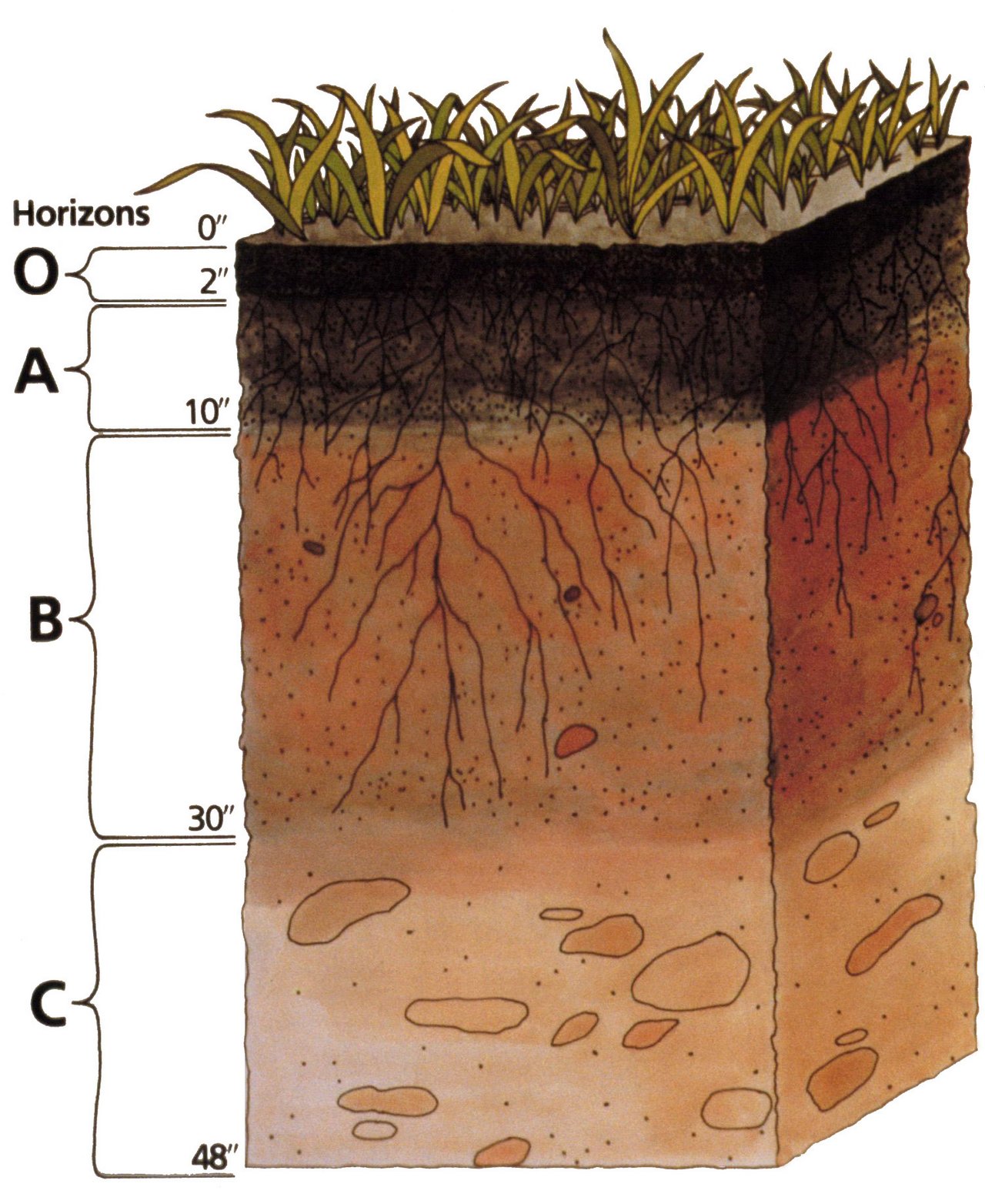
Photo: US Department of Agriculture / Wikimedia Commons (public domain)
Source: ScienceDaily, Agriculture & Food

Comments
(0)