
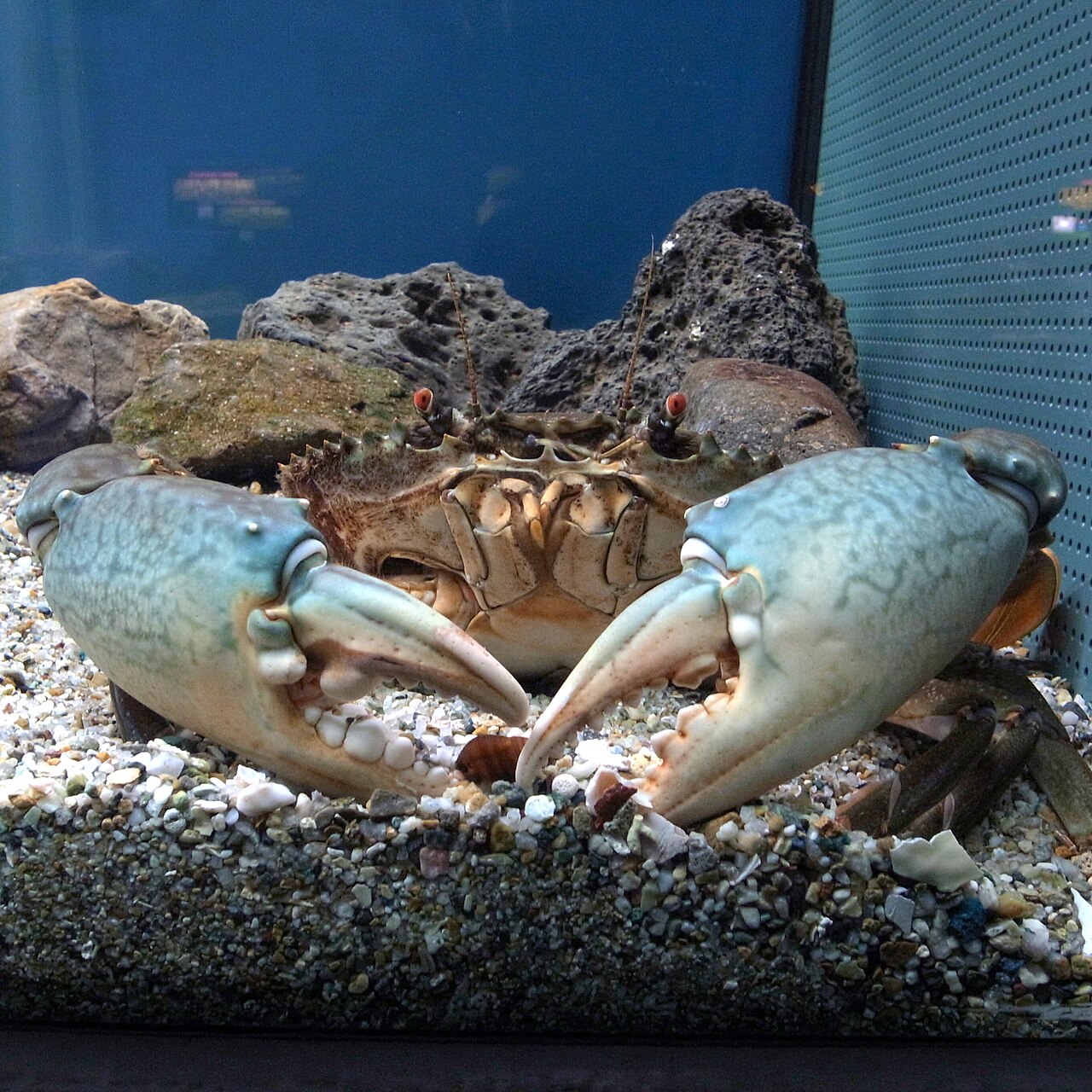
High levels of plastic particles have been found in the water and silt of Sundarbans rivers, and aquatic life is affected. Researchers found an average of 18 plastic particles in the gills and 30 in the gut of mud crabs, and harmful levels of heavy metals in three popular fish of the Pasur river: parshe, datina and bata. Samakal reports the findings of two studies.
The plastics study was carried out by the Centre for Natural Resource Studies (CNRS) and the Arannayk Foundation, and its draft report was released in Khulna on 13 August. From March 2024 to June 2025 the team tested water and soil from the Shakbaria at Koyra, the Kholpetua at Shyamnagar and the Bhola river in the Sharankhola range. They found 570 plastic particles per cubic metre of water in the Kholpetua, 530 in the Bhola and 360 in the Shakbaria, and 57, 44 and 45 per kilogram of silt respectively. Polyethylene, polypropylene and PVC were found in the crabs.
Team leader Dr M Enamul Haque, a former director of the Bangladesh Fisheries Research Institute, said microplastics are first eaten by zooplankton and small aquatic animals and then pass up the food chain, while plastic trapped in silt destroys the habitat of bottom-dwelling creatures. He called for long-term monitoring and a major plan to cut plastic pollution.
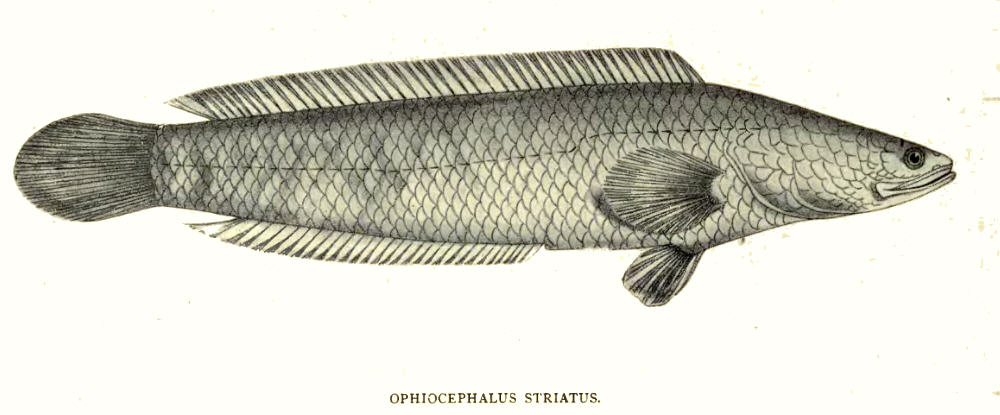
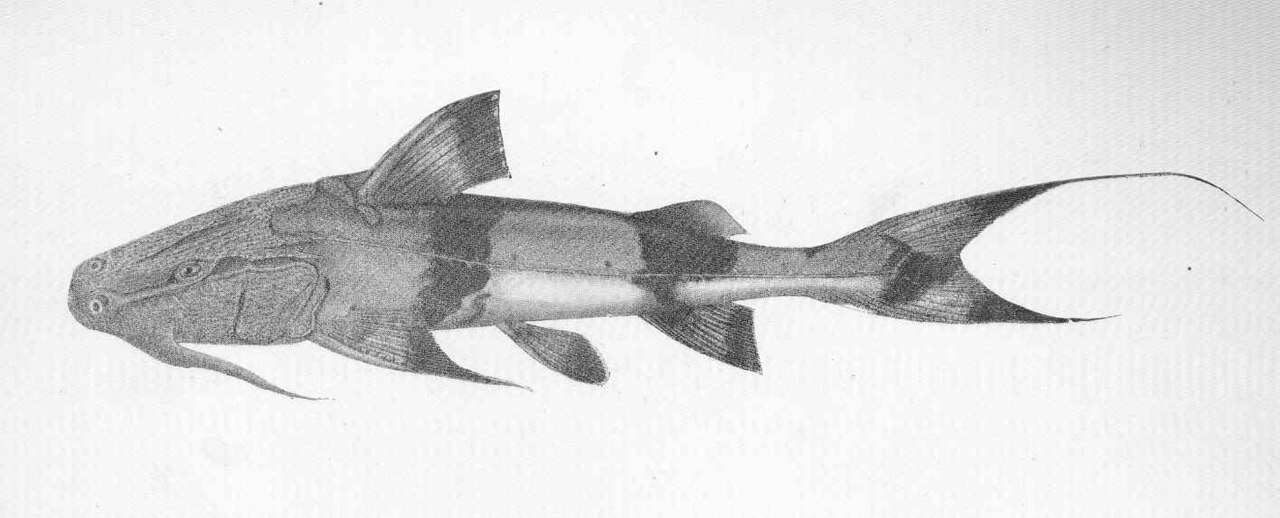
The second study, by the Biomedical and Toxicological Research Institute of the Ministry of Science and Technology, was published in the journal Discover Environment on 11 April last year. Sampling at six points on the Pasur, near the Rampal power plant, the Mongla industrial zone and port, Banishanta, Karamjal and Harbaria, it found an average of 4.35 milligrams of lead, 3.06 of nickel, 1.42 of copper and 1.46 of cadmium in each fish. FAO and WHO tolerable limits are 0.2 to 0.4 milligrams for lead and 0.05 to 0.1 milligrams for cadmium.
Team leader Ivana Paveen Lipi, a senior scientific officer at the institute, said industrial waste from upstream and untreated waste from Rampal, Mongla port and the industrial zone are polluting the river's water and silt and reaching the fish, and that factories must stop discharging untreated waste. Md Asadur Rahman of Khulna Agricultural University said such metals entering the human body through food can in the long term cause diseases such as cancer and liver cirrhosis.
Professor Anwarul Kadir, executive director of Sundarbans Academy, urged action through the Joint Rivers Commission and other international platforms to stop plastic coming from upstream, and a ban on single-use plastic in the Sundarbans and its 10-kilometre ecologically critical area. Imran Ahmed, conservator of forests for the Khulna region, said entry into the Sundarbans with plastic will be banned soon.
Photo: OpenCage / Wikimedia Commons (CC BY-SA 2.5)
Source: Samakal

Comments
(0)