
African countries should take a selective, location-specific approach to carbon dioxide removal (CDR), weighing climate goals against development priorities, according to a report by the African Tech Futures Lab (ATFL), a network of African experts on emerging technologies, Down To Earth reported. The report is titled The Future of Carbon Dioxide Removal in Africa: Feasibility, Opportunity, and the Choices Ahead.
CDR means taking carbon dioxide out of the atmosphere and storing it for long periods. The report says it could bring climate finance and support agricultural productivity, ecosystem restoration, waste management, jobs and industry, but that the benefits are not guaranteed: each project must show who benefits, how that will be measured, and whether carbon removal is a better use of land, water, energy, biomass and capital than the alternatives.
Activity across Africa is still at an early stage, with wide differences between countries in scientific evidence, infrastructure and technical capacity, and many of the technologies, markets and standards are being developed and controlled outside the continent. The market is fragile: voluntary carbon markets and a small number of corporate buyers have funded the first projects, prices are uncertain, and African projects are not assured of access to future regulatory markets. The report also lists gaps in geological and resource data, laboratories, monitoring and verification systems and expertise.
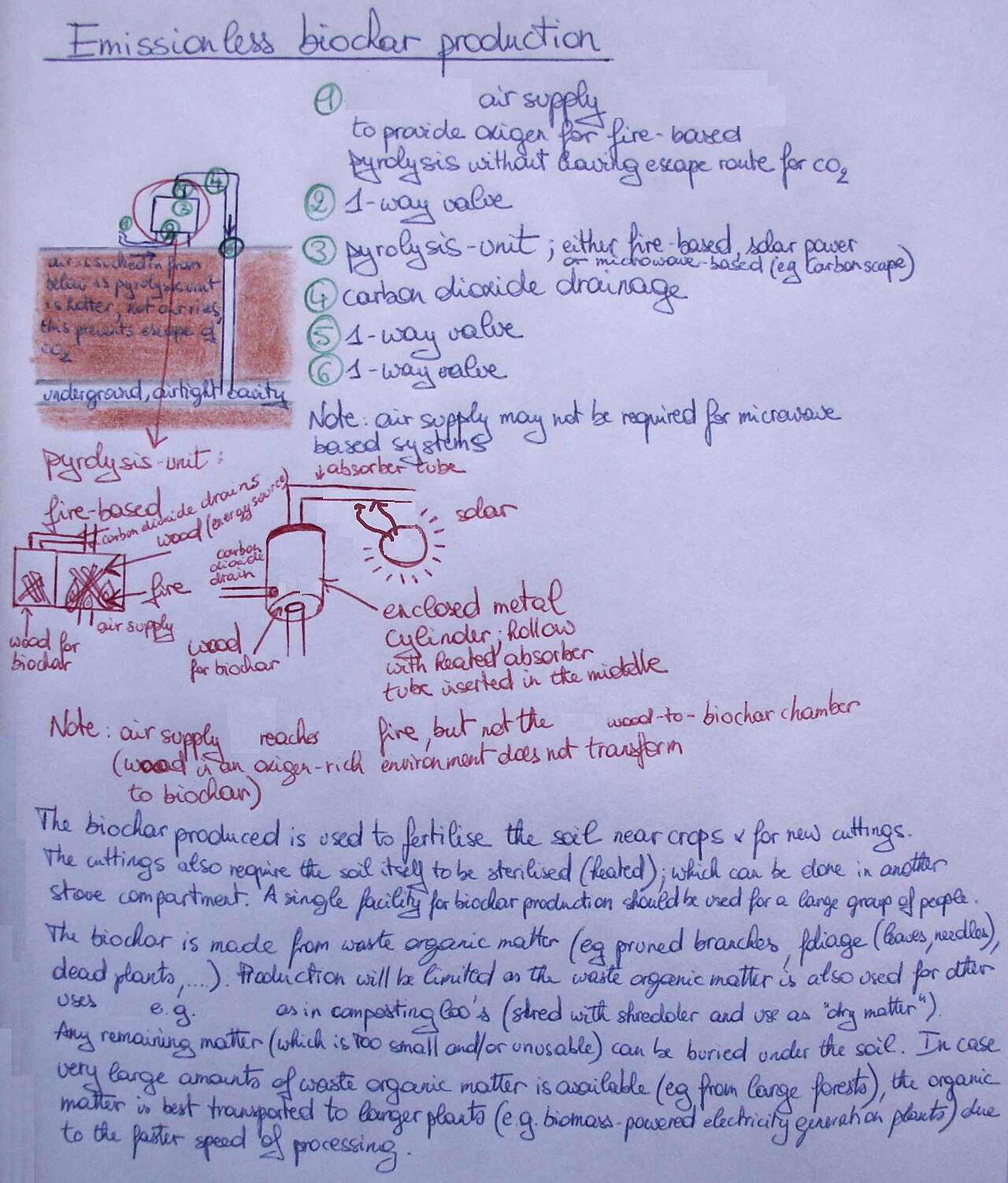
It singles out biochar and enhanced rock weathering as areas for experimentation, because they need comparatively little infrastructure and could benefit agriculture. Biochar is a carbon-rich material made by heating organic matter with little or no oxygen; added to soil, it can store carbon and, under suitable conditions, improve soil properties. Enhanced rock weathering spreads finely crushed minerals on land to speed natural reactions that remove carbon dioxide. Both, the report cautions, need stronger evidence, reliable monitoring and quality controls before their benefits can be confirmed at scale.
Afforestation and reforestation remain important options, it adds, but need safeguards for land rights and accurate carbon accounting. The authors argue that African governments should neither overlook carbon removal nor expect too much of it, and should judge each technology against local resources, infrastructure and needs. The story was reported by Madhumita Paul.
Photo: KVDP / Wikimedia Commons (public domain)
Source: Down To Earth


Comments
(0)