
Solar power is spreading in Bangladesh as the country turns to renewable energy, but there is no working plan for collecting, recycling and safely disposing of panels and equipment once they wear out. Meanwhile about 150,000 unusable electronic voting machines (EVMs) lie in 41 districts with no effort under way to dispose of or recycle them safely.
Dr Iftekharuzzaman, executive director of Transparency International Bangladesh (TIB), raised the issues on Wednesday, International E-Waste Day, at a conference on 'Good governance in e-waste management in Bangladesh: challenges and prospects' at the Bangladesh-China Friendship Conference Centre in Dhaka. TIB and the Waste Electrical and Electronic Equipment Society Bangladesh organised it.
As solar use grows, he said, a large number of panels and related equipment will one day become waste. Without arrangements from the start, the sector could face a major crisis, so planning is needed now.
E-waste rules were made in 2021, he said, but their obligations are not properly enforced. There are policies and strategies but no overall framework, and without a complete database on the amount, type and handling of e-waste it is hard to plan or measure progress. Poor coordination and weak capacity among government agencies are major obstacles; he called for stronger capacity at the Department of Environment and other bodies and clear direction on who does what.
E-waste carries economic promise as well as risk: copper, aluminium and iron can be recovered from old electronics for new products, but without planning that potential goes unused. More than 90 percent of e-waste collection is done by informal workers who have no institutional recognition and whose health protection is ignored, he said.
Also speaking were Dr Md Saimum Parvez, the prime minister's special assistant on environment, forests and climate change, and Emdad ul Bari, chairman of the Bangladesh Telecommunication Regulatory Commission (BTRC).
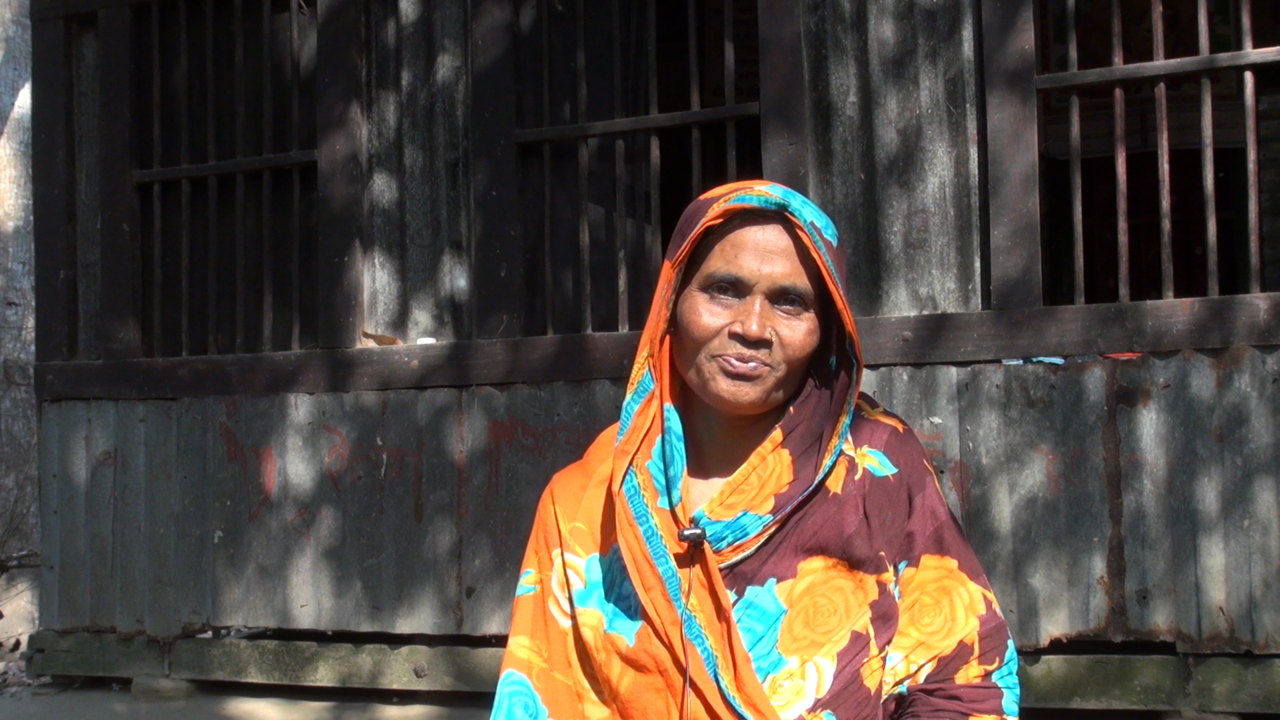
Photo: Helena Wright / Wikimedia Commons (CC BY 2.0); a solar home system in Khulna, a representative picture
Source: Samakal

Comments
(0)