
 Crops
Biochar reactors can earn farmers money from energy and carbon credits
A Nuffield Australia scholar says modern pyrolysis reactors let growers sell biochar, energy and carbon credits, not just improve their soil.
CropsA Nuffield Australia scholar says modern pyrolysis reactors let growers sell biochar, energy and carbon credits, not just improve their soil.
 Agrotech
Biochar made by heating straw, wood and crop residue without oxygen raised maize yields by up to 29 per cent and aus rice by 23 per cent alongside balanced fertiliser, and could cut urea use by a quarter, scientists told a BARC workshop.
 Environment
A report by the African Tech Futures Lab urges a selective, location-specific approach to carbon dioxide removal in Africa, naming biochar and enhanced rock weathering as low-infrastructure options with possible farm benefits.
 Agrotech
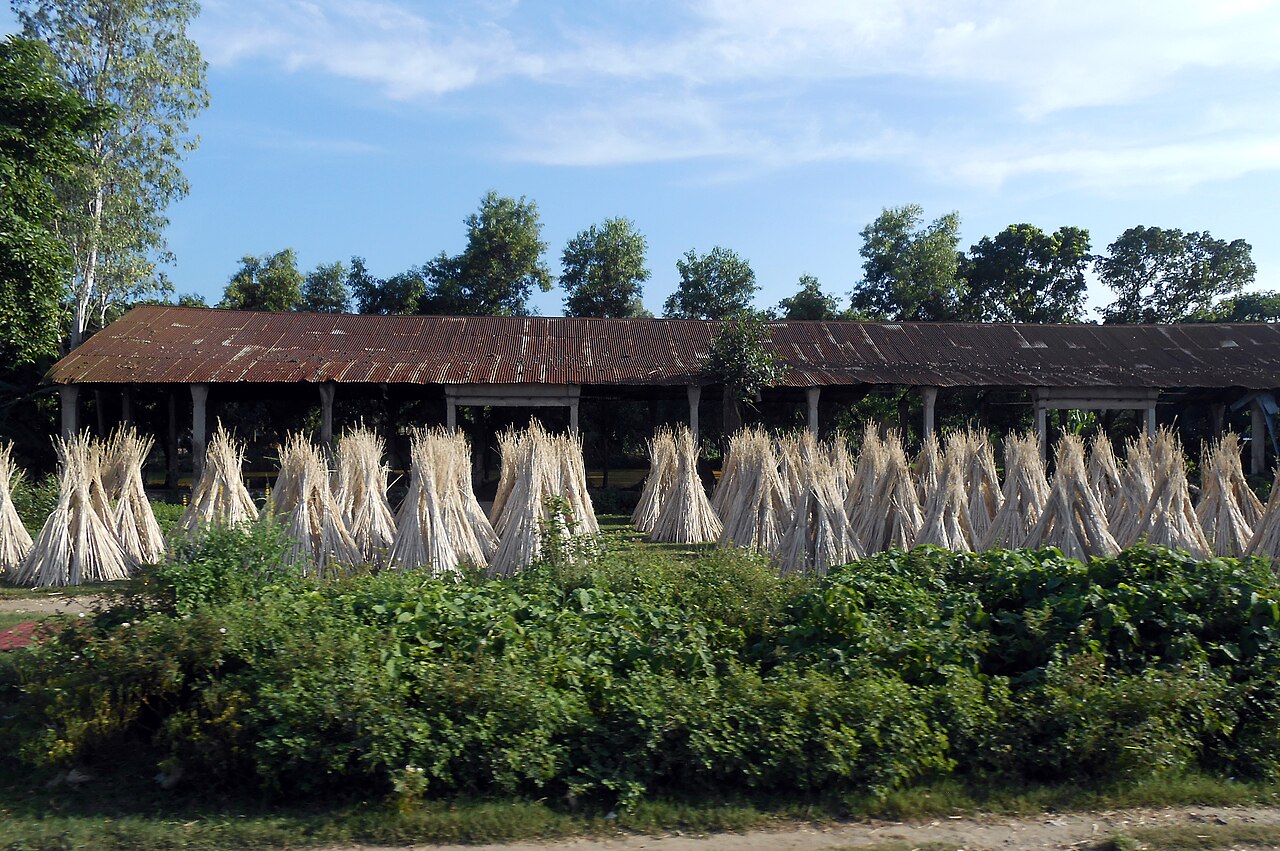
'The Golden Loop', a team of Bangladeshi students led by BAU, turned waste jute sacks into geotextile to stop pond banks eroding and jute sticks into biochar to clean pond water, reaching the top six of 119 teams in the Food Systems Innovation Challenge 2026 in the Netherlands.
EnvironmentTreehouse California Almonds and Sitos Group have produced the first load of biochar from almond shells at a 25,000-square-foot slow-pyrolysis plant in Delano, to be mixed with compost and returned to farmland.
AgrotechThe Swiss climate-tech start-up turns crop residues into biochar in small reactors near where they are produced and returns it to soils, and will use the money to make its system a repeatable hardware and software product.
CapChar's integrated system turns local woodchip into biochar for cattle bedding, banks the pyrolysis heat in a patent-pending thermal battery for drying fuel wood, and measures the carbon removed, about 250 t CO2e expected from the 80-hectare South Downs livestock farm.
In Katete and Sinda districts, the Alliance of Bioversity International and CIAT and Solidaridad Zambia trained 5 extension officers and 10 lead farmers, who will each reach about 35 farmers, as forecasters warn of another El Niño for 2026/27.
North Carolina building-materials company Plantd, which was paying $13,000 a month to remove leftover grass biomass, has launched a biochar line made from that waste and is selling it to farmers as a soil amendment.